
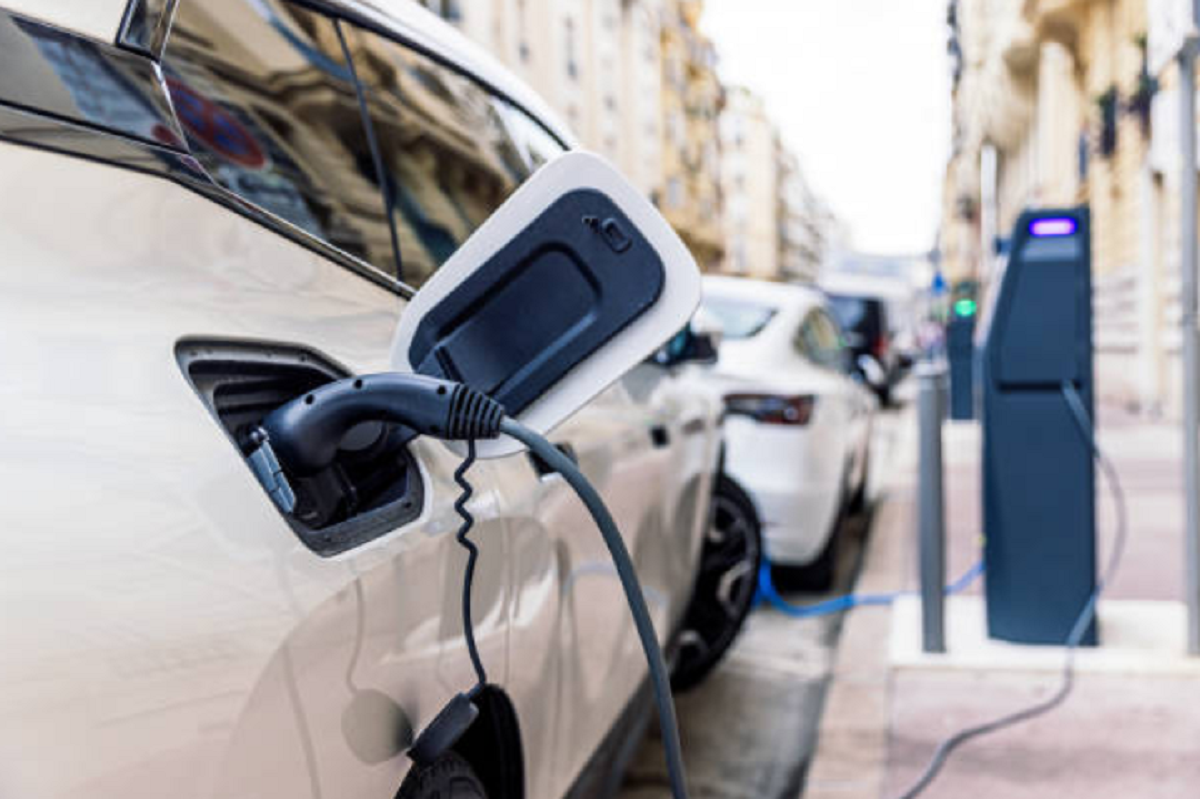

For the first time in the history of the Uruguayan automotive market, statistics revealed a fact that just a few years ago seemed unthinkable: electric vehicles surpassed gasoline models in sales. What began as a niche for the high-end user has today consolidated itself as the preferred option for the average buyer, driven by an incentive policy that is now beginning to generate friction within the Executive Branch itself.
The figure is a milestone, but also an alarm signal for the State coffers. While the “electrification” of the vehicle fleet is celebrated from the Ministry of Industry as an achievement of the sustainability policy, from the Ministry of Economy the views are more cautious. The question that floats in the air is simple: until when can the State allow itself to stop collecting through the exonerations that made this phenomenon possible?

The debate in the cabinet: incentive or unnecessary cost?
The discrepancy between ministers was soon exposed. On the one hand, the view that the success of the electricity market demonstrates that the transition no longer needs the fiscal “push.” If the electric companies already win by themselves in the preferences of Uruguayans, why continue giving up revenue that the country needs?
On the other hand, there is concern that an abrupt withdrawal of tax benefits will stop the process in its tracks. The Uruguayan vehicle fleet continues to be, to a large extent, old and polluting. Deactivating the exemptions could be the wrong message at a time when electric mobility is seeking its definitive maturity.
The impact on the consumer's pocket
For the citizen who chooses an electric vehicle today, the determining factor is not only ecological awareness, but also savings in operating costs. However, if the government decides to adjust the tax burden, that balance could be broken. An increase in the cost of electric vehicles, added to current prices, could distance the middle class from a technology that was only now beginning to be accessible.
The point of contention also involves cross-subsidy: many maintain that the State is financing the technological change of those with greater purchasing power, while lower-income sectors continue to depend on used, old and, often, inefficient vehicles.
Is an adjustment coming to the rules of the game?
It is highly likely that the government will announce, in the coming months, a review of the incentives. The “success” of sales has forced a negotiation table where no one wants to give ground. Importers, for their part, are observing carefully: any change in the tax structure requires a reasonable amount of time to adapt so as not to generate a collapse in market confidence.
Uruguay has achieved, in record time, one of the highest electric vehicle penetration rates in the region. That political and environmental capital is now on the table. The decision made by the Executive will determine whether this milestone was just a mirage financed by the State or if the country is actually ready to lead electric mobility in the Southern Cone without the need for fiscal crutches.
Subscribe to Uruguay Al Día
Receive the most important news directly in your email. Clear, independent and updated information every day.
Follow us on WhatsApp
Join our official channel and receive alerts, news and exclusive content from Uruguay Al Día.
🔔 Join the WhatsApp channel