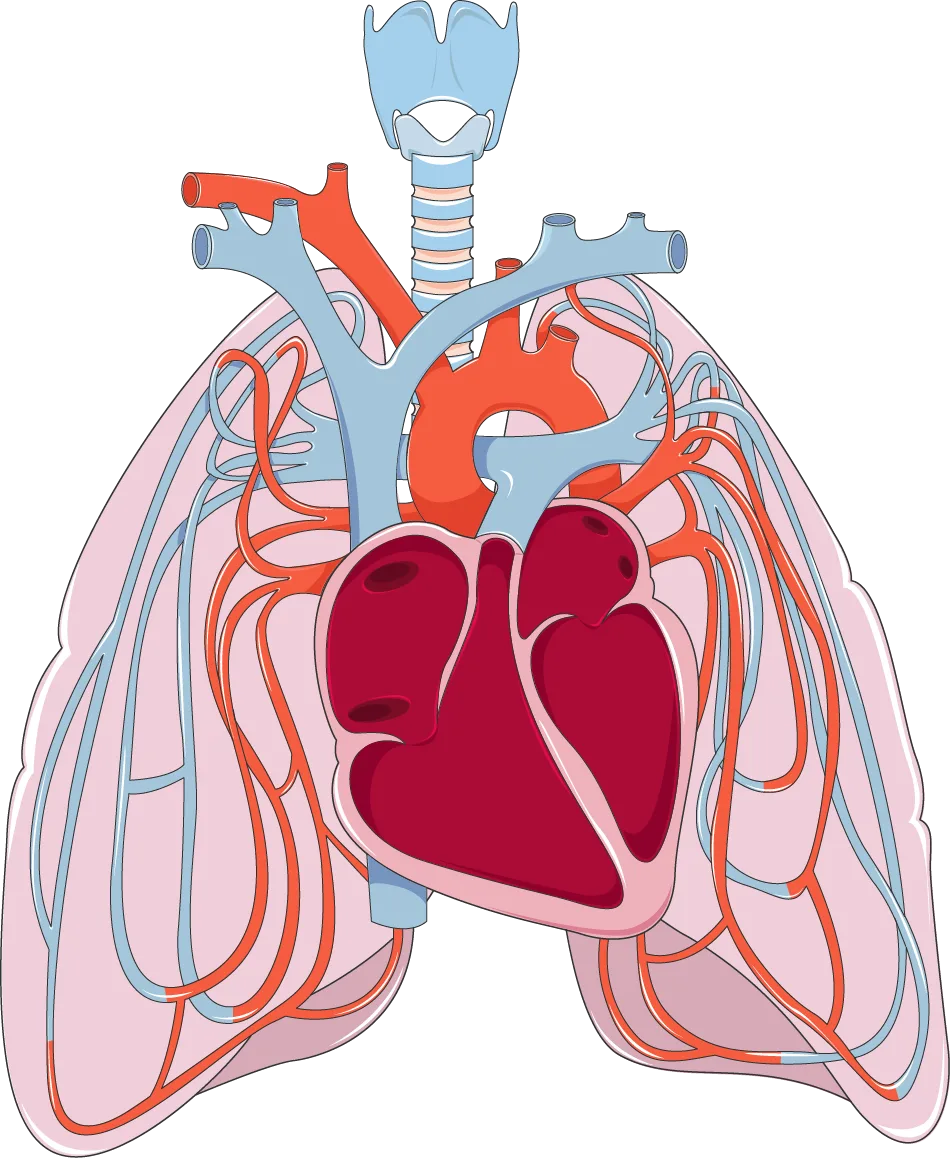

In a world where smoking remains one of the leading causes of death, a ray of hope emerges from London's research laboratories. A recent study reveals that the lungs have an amazing ability to regenerate, even after years of exposure to cigarette smoke.
This discovery, made by scientists at University College London, could change the destiny of millions of people. By stopping smoking, the lungs can recover up to 40% of their healthy cells. For those who have struggled with tobacco addiction for decades, this news is an unexpected relief, a light at the end of the tunnel.
The hidden capacity of the lungs
The research details that certain lung cells remain unharmed despite the constant siege of tobacco. These cells, compared to 'soldiers in a bunker', can multiply when consumption stops, replacing damaged tissue. It is a reminder of the inherent tenacity of the human body.
Tobacco smoke releases thousands of chemicals that alter the DNA of lung cells. However, these protected cells manage to avoid damage, and by stopping the habit, they begin their work of reconstruction. This process is as if the lungs have a cellular memory that is activated when the chemical attack stops, allowing the new and healthy to emerge.
An amazing regeneration process
The study included lung biopsies from smokers, ex-smokers and people who never smoked. The results were compelling: up to 40% of the cells in ex-smokers resembled those of someone who had never smoked. This statistic offers new encouragement, showing that it is never too late to heal.
“It is as if the uninjured cells are waiting for the right moment to act,” explains Dr. Peter Campbell, one of the authors of the study. This capacity for renewal provides new breath to those who have given up cigarettes. In hospital waiting rooms, the conversation about quitting smoking could take on a more optimistic tone.
The science behind the miracle
Lung regeneration is not complete, but progress is significant. One of the most surprising aspects is the amount of time these cells can be present unharmed, even in decades-old smokers. These cells, resistant as warriors, withstand the onslaught of toxins until they are given the opportunity to flourish.
“The cells manage to resist genetic damage and are ready to repair the airways when the damaging factor is removed,” adds Dr. Kate Gowers, co-author of the study. This phenomenon, compared to a battlefield where reserve troops finally spring into action, could rewrite the future of preventive medicine.
Imagine an ex-smoker, sitting in a park, inhaling deeply for the first time in years, feeling the clean air fill their lungs. This everyday scene takes on new meaning with this discovery, symbolizing a second chance at health.
Public health consequences
This discovery could change the way anti-smoking campaigns are approached. Knowing that the lungs can heal offers a powerful incentive to quit smoking. In doctors' offices, the news could be a catalyst for more people to seek help to quit tobacco.
On the streets, those who have given up smoking can find new purpose in their fight. Discussions at social gatherings could be flooded with testimonials from ex-smokers who, armed with new information, share their success stories. Public health campaigns could adopt these stories, personalizing the message so that others are encouraged to take the step.
Science continues to investigate how to maximize this regeneration process. Although the road is long, the first steps are promising. The lungs, these vital and often mistreated organs, have more capacity for recovery than previously thought. This finding not only has the potential to save lives, but to improve the quality of life of those who choose the path of recovery.
Health campaigns could take advantage of this discovery to create more powerful messages, emphasizing that it is never too late to reverse the damage. Like a garden that blooms after a storm, the lungs can come back to life, reminding us that the human body is a resilient system.
Finally, the social impact of this study could be profound. As more people learn about this regenerative capacity, a cultural shift toward weaning ourselves from tobacco could be generated. In communities, the conversation could change from “Why should I quit smoking?” to “When will I start to heal once I quit smoking?” In support groups, this new narrative could be the boost many need to face the challenge of quitting tobacco.
The discovery also raises questions about how the health system can better support those who want to quit smoking, providing not only resources for cessation, but also information about the tangible and visible benefits they can expect in the short and long term.
Subscribe to Uruguay Al Día
Receive the most important news directly in your email. Clear, independent and updated information every day.
Follow us on WhatsApp
Join our official channel and receive alerts, news and exclusive content from Uruguay Al Día.
🔔 Join the WhatsApp channel