

The Azteca Stadium is ready, but the city is not so much. Two days before the opening whistle, the atmosphere in Mexico City has little to do with that of a traditional sports festival. While FIFA adjusts the latest technological details on the grass, in the streets, the background sound is not that of fans chanting songs, but that of megaphones and rain hitting the asphalt. Mexico is experiencing a tense preview of the 2026 World Cup, where the official party collides head-on with a social reality that does not know about football times.
The scene in the Historic Center is what defines the moment: the metal fences erected by the government to protect the Zócalo have become a symbol of division. On the one hand, the promise of a historic World Cup; on the other, a front of protesters that has grown day after day. The CNTE teachers, who were already demanding their job stability, have been joined this week by searcher mothers, who have found in the arrival of thousands of tourists and foreign journalists the opportunity to force a visibility that has been denied to them for years.
A pulse that is not negotiated
“We don't want to ruin the party, but our tragedy has no pause,” says a teacher who has been camping for days near the National Museum of Art. The lack of resolution working groups with Claudia Sheinbaum's administration has brought the conflict to a stalemate. While officials strive to show an operational city, the reality on the access routes to the stadiums is one of uncertainty. Blockages are not just an inconvenience to traffic; They are a constant reminder of the 133,000 absences that weigh on the country today.
To the tourist, the city may seem like a succession of police checkpoints and route changes. For those who live here, it is the result of wear and tear that comes from afar. Long-standing establishments, such as the historic pastry shop “La Ideal”, continue to operate amidst fog and uncertainty. Its workers, who have been supplying bread to the capital's residents for almost a century, look at the police blockade outside with the same resignation with which they observe the gray sky: they are collateral damage of an event that, for many, still feels foreign.
The climatic factor: when the sky also plays against you
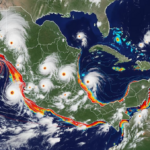
As if that were not enough, nature seems to be aligned with social tension. Tropical Storm Boris, which made landfall between Guerrero and Oaxaca, left in its wake streets converted into canals and metro stations—such as Line 2, vital for the movement of fans—affected. The image of a fallen tree blocking a street on the way to the stadium is, perhaps, the best metaphor of this week in Mexico: a plan perfectly drawn up by FIFA that runs into an unmanageable local reality.
The National Meteorological Service does not give up. With the threat of Storm Cristina approaching, the city's infrastructure is being tested. The authorities insist that the security deployment will be sufficient for the World Cup to run smoothly, but the response capacity of a flooded metropolis is, by definition, limited. The hot coffee in the shelters and the uniformed men cleaning up debris in the rain are the postcards that really define this World Cup eve.
Between high technology and the street
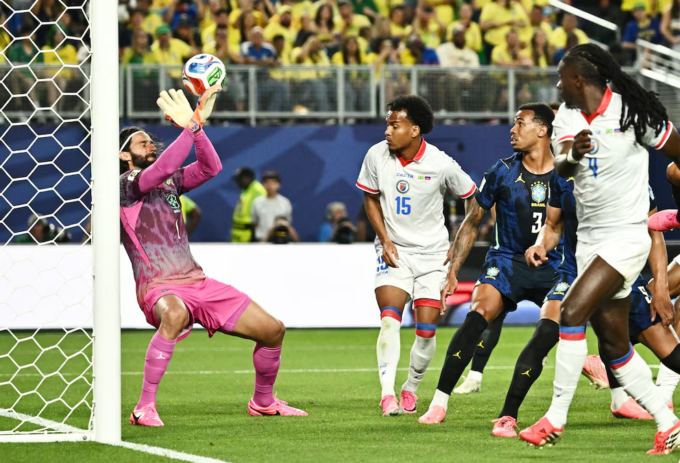
FIFA has done everything possible to modernize this tournament. From the sensors in the ball Trionda to the new rules that seek to reduce simulations and waste of time to a minimum. There is an obsessive search for perfection. But that “World Cup of the future” narrative feels distant when contrasted with the demands of a country that demands solutions to the past: search for missing people, decent wages and security that does not depend on an administrative decree.
In 48 hours, when the eyes of the world rest on the Azteca grass, the narrative will change. There will be goals, there will be technology and there will be unity speeches. But for those who are left out, for those who continue marching in the rain and for those who are still waiting for an answer on a search form, the World Cup will be just a parenthesis in a fight that, no matter what happens with the ball, will continue to wait for the final whistle of their own demands.
Subscribe to Uruguay Al Día
Receive the most important news directly in your email. Clear, independent and updated information every day.
Follow us on WhatsApp
Join our official channel and receive alerts, news and exclusive content from Uruguay Al Día.
🔔 Join the WhatsApp channel