


In the heart of Chaco, in a gin in Avia Terai that saw decades of cotton history pass by, an advance was presented this week that sounds like science fiction applied to the furrow. It is called Cranberry INTA BGRR IMIcott, and it is not just another seed: it is the first cotton variety in the world designed to be resistant to the imidazolinone group of herbicides. For the producer who fights daily against weeds that seem immune to everything, this is news that changes the map.
The development, the result of years of work between INTA and the private sector, is the spearhead of a strategy called “The New Path of Cotton.” It is not a simple commercial launch, but a technical response to a problem that had been suffocating the profitability of the sector: the pressure from resistant weeds and the need for cleaner and more effective management tools.
The numbers behind innovation
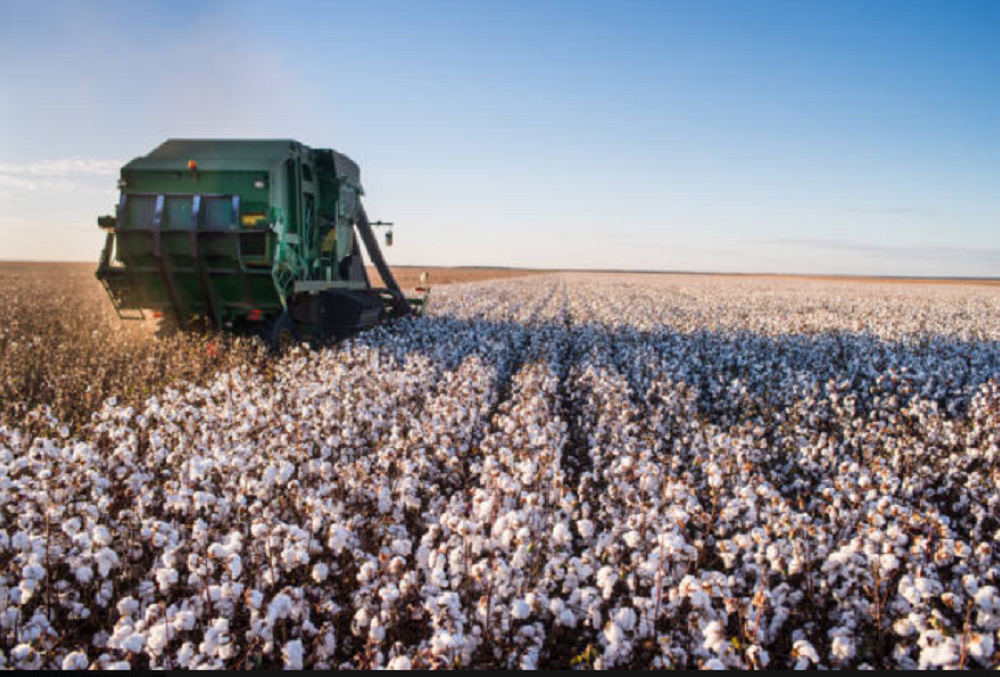
When talking about the field, theory matters little if it does not translate into kilos and savings. In the field trials, the results were, to say the least, encouraging. Arandú showed an increase in yield close to 12% and an improvement in fiber quality of 7%. But the data that aroused the most interest among technicians is the estimated 30% reduction in the costs of chemical weed control.
"Arandú is not just a new variety. It is a tool designed to respond to the challenges that producers face, from water limitations to weed pressure," explained Carlos Vera, vice president of INTA, during the presentation. The plant is not only hardy; It has a different architecture, a plasticity that allows it to better adapt to the erratic climates of northern Argentina, a factor that in recent years has been a real headache for those who work the land.
Guarani wisdom for the Argentine countryside
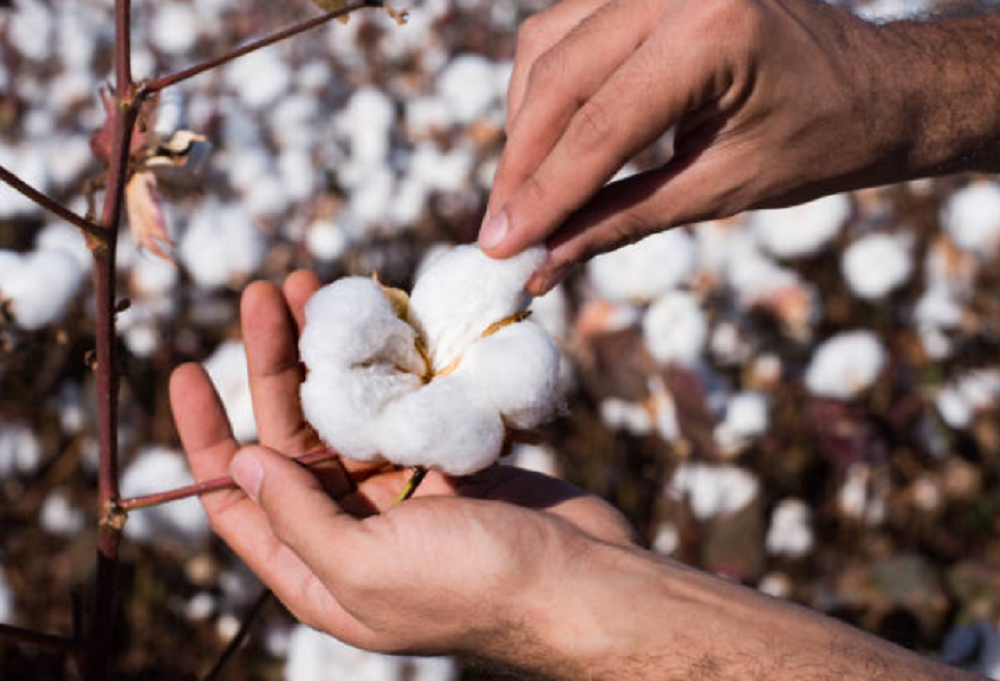
The name “Arandú” was not chosen at random by a marketing committee in a Buenos Aires office. It means “wisdom” in Guaraní and, according to researchers, reflects a participatory selection process. It was the producers themselves who, at the field level, suggested the characteristics they needed: a longer cycle, better structure and, above all, an industrial quality fiber.
Mauricio Tcach, one of the project's leaders, made it clear that this is just the beginning. The INTA roadmap foresees the registration of ten new varieties in the next five years. It is an attempt to recover lost ground and position Argentine cotton as a profitable, sustainable alternative with high global competitiveness.
The future of cultivation
The launch of this technology comes at a time when the sector is seeking to consolidate a reactivation. While producers analyze costs and plan the next campaign, the appearance of Arandú provides a dose of fresh air. Not only because of the chemical resistance, which greatly simplifies life at the time of application, but because it restores confidence in the ability of Argentine public research to generate world-class solutions.
Today, the Avia Terai field not only shows a new plant; shows a way. In a world where genetics is the key to productivity, Argentina setting the trend in cotton is a powerful message. The “new path” began to move, and for the producer who suffers with each hectare, Arandú's wisdom seems to be the first big step towards a more predictable harvest.
Subscribe to Uruguay Al Día
Receive the most important news directly in your email. Clear, independent and updated information every day.
Follow us on WhatsApp
Join our official channel and receive alerts, news and exclusive content from Uruguay Al Día.
🔔 Join the WhatsApp channel