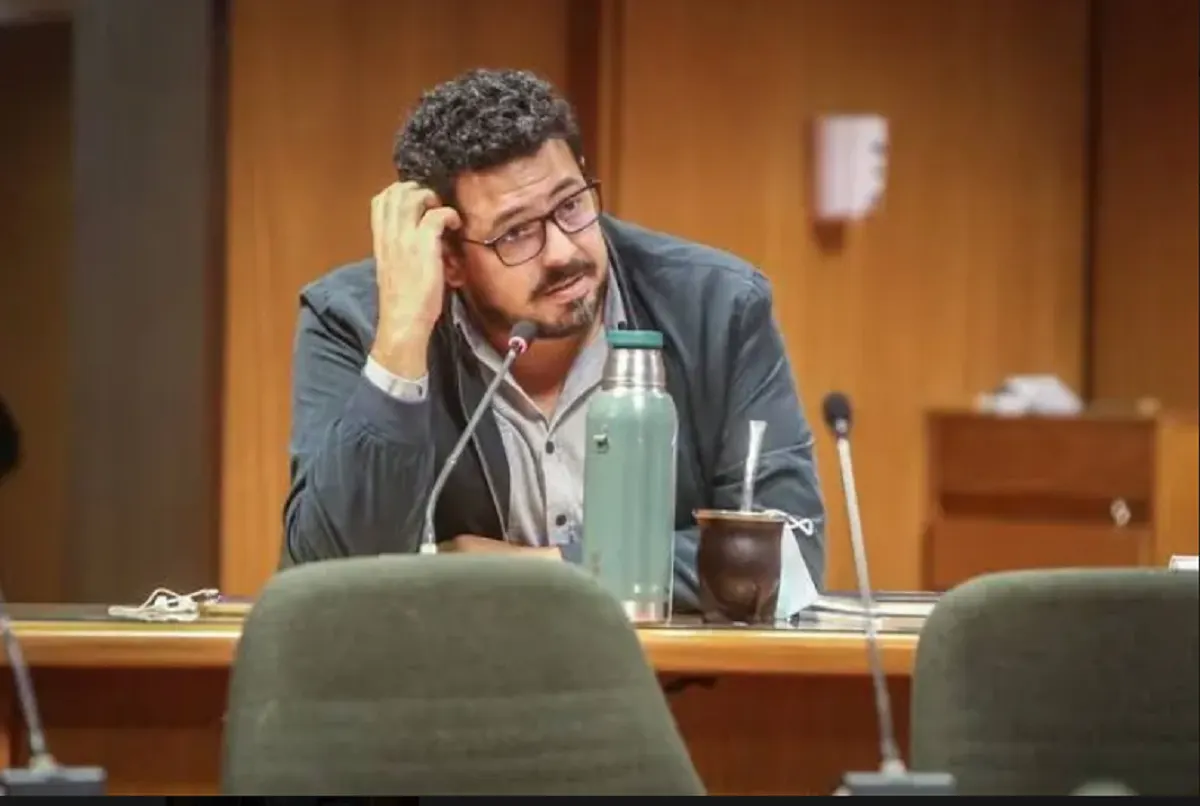
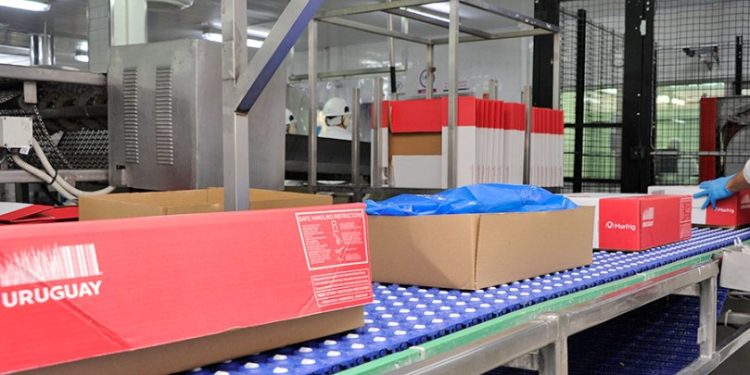


The steaming coffee and the cold of Moscow witnessed an agenda that, for the Uruguayan agro-export sector, was more than loaded. Alfredo Fratti, in a role that combines political experience with the pulse of the producer, returned from Russia with a suitcase full of data and, above all, contacts that translate into real expectations for the local economy. It was not a diplomatic tourist trip; It was a tactical incursion into a market that, although going through turbulence, maintains a voracious appetite for Uruguayan products.
At the negotiating tables, the topics were specific: beef, lard and the national wine industry occupied the center of the debate. Fratti does not arrive with the magic wand, but with a clear reading of what the Russian consumer is asking for and, more importantly, where the bottlenecks are that prevent container shipping from being even more fluid.
The weight of meat and the challenge of dairy
When one talks to Fratti about Uruguayan meat in the Russian market, the word that comes up is “reliability.” Despite the volatility, the quality of our animal protein has earned a privileged place on the Moscow shelf. But the trip also served to put our eye on an item that is always on the radar: dairy products.
Uruguayan butter, in particular, has a golden opportunity if logistical times and prices can be adjusted. Fratti knows that, in international trade, it is not enough to produce well; You have to arrive at the indicated port at the exact time. In his talks with Russian importers, the conversation focused on how Uruguay can guarantee a stable supply chain, something that in an uncertain global context is worth more than any luxury marketing.
Wine, the jewel that begins to appear
If there is something that caught our attention on this tour, it was the commitment to Uruguayan wine. The Russian market, historically associated with other drinks, is showing growing curiosity about Tannat and other national varietals. Fratti saw it firsthand: there is a niche willing to pay for the story that each Uruguayan bottle tells.
“It's an ant's job,” Fratti often repeats when asked about small producers entering the world. The idea is not to compete with the volume of the big players, but to establish our identity. During the trip, wine was not only an accompaniment to business dinners; It was the letter of introduction of a country that strives to show its most sophisticated side.
The political balance behind the business
Returning from Russia today involves navigating complex diplomatic waters. Fratti does not ignore the background noise, but his focus remains on generating foreign currency and opening doors for producers in the interior of the country. Politics, in this case, works like the oil that allows the commercial machinery not to jam.
Upon returning to Montevideo, Fratti's challenge will be to transform those handshakes into signed contracts. The agenda he carried out was ambitious, but what he brought back is the starkest diagnosis: Russia remains an indispensable partner, but you have to know how to read its needs. In the countryside, meanwhile, we wait for those businesses that, at the end of the day, are the ones that move the needle in the pocket of the producer who bet on a distant but promising market.
Subscribe to Uruguay Al Día
Receive the most important news directly in your email. Clear, independent and updated information every day.
Follow us on WhatsApp
Join our official channel and receive alerts, news and exclusive content from Uruguay Al Día.
🔔 Join the WhatsApp channel