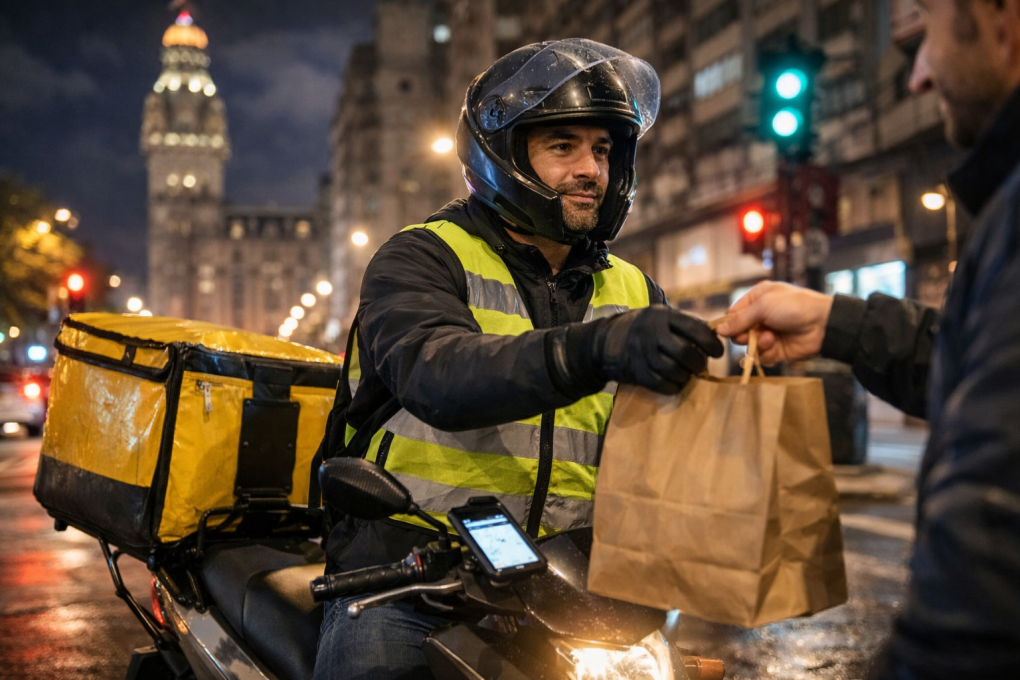
The crisis for murders of delivery men In Uruguay, it has reached a breaking point after confirming the third homicide of a worker in just ten days within the limits of Montevideo.
What weeks ago could be interpreted as a series of isolated criminal acts, today stands as an x-ray of the failure of the citizen protection system. While Yamandú Orsi's administration rehearses statements of astonishment and the Ministry of the Interior appeals to judicial optimism, the reality on the asphalt is radically different: going to work on two wheels has literally become a high-risk activity where life is given over for a motorcycle or a traffic altercation.
The cost of ineffectiveness: three lives taken in 10 days
The last link in this chain of blood occurred this Friday night in the Carrasco Norte area. A Cuban citizen, who was doing his work day, was intercepted by two criminals on foot. The cruelty was total: after resisting robbery from his work vehicle, the attackers shot him at point-blank range, abandoning the body and the motorcycle on the public road. This fact is not just a homicide; It is the symbol of a crime that kills for the simple fact of not being able to dominate its victim immediately.
However, the pain didn't start last night. The insecurity in Montevideo He had already marked his territory in the early hours of Friday in the Prado. Santiago, a young man of only 22 years old, was chased and executed after trying to escape an assault with his partner. He had bought his motorcycle a week ago to work at a local pizzeria; the same vehicle that was its tool for progress ended up being the magnet for its execution. To these cases add up the death of Juan Carlos Mendoza in the center of the capital, a worker from the PedidosYa platform who was murdered after a traffic argument, an act of barbarism that unleashed massive mobilizations of his colleagues.
The official speech vs. blood on the asphalt
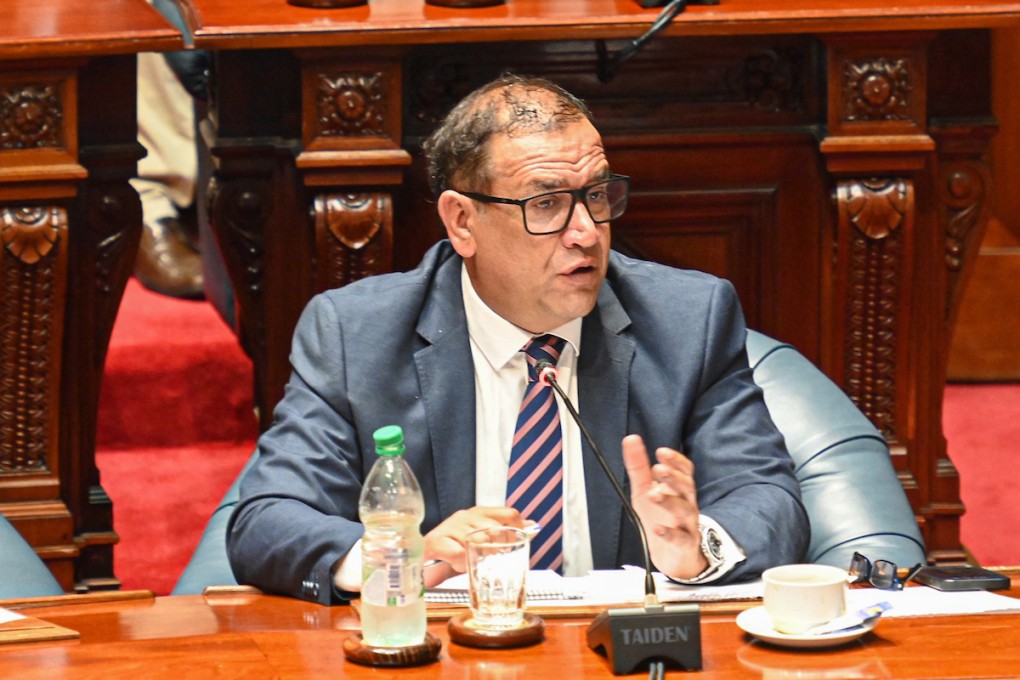
The reaction of the Executive Branch has been, for many sectors of society, insufficient and merely reactive. President Yamandú Orsi described the events as “appalling,” admitting a disbelief that, for the delivery unions, sounds like a disconnection from reality. How is it possible that the Head of State "cannot believe" what is happening on the streets that his own government must guard? The official surprise does not stop the bullets or recover the lost lives.
For his part, the interior minister, Carlos Negro, has tried to calm the waters with promises to clarify the cases. However, the "optimistic" approach of the authorities collides head-on with the lack of protection felt by thousands of foreign and national citizens who travel through Montevideo at night. The delivery men, for the most part immigrants seeking an opportunity or local youth trying to enter the market, have become the favorite target of a crime that perceives the State as an absent actor or, at best, slow.
A prison system that spews violence
The root of this wave of murders of delivery men cannot be separated from the collapse of the rehabilitation system. In Uruguay, the flow of inmates who regain freedom without having gone through a real reform process is a time bomb that explodes every night on the corners of Montevideo. The state's inability to rehabilitate those who commit crimes translates today into cold-blooded executions by motorcycle.
While the government resists delegating tasks reviews of rehabilitation to the private sector or to tighten effective territorial control, the streets of neighborhoods such as Prado, Carrasco Norte or Centro are emptied of neighbors and filled with fear. The indignation of the workers of PedidosYa and other platforms is not only due to the lack of patrolling; It is due to the feeling that the right to property and life has become secondary to a judicial bureaucracy that seems more concerned with protocols than with results.
Conclusion: The time for words has run out
Montevideo cannot get used to dying working being part of the "urban landscape." The murder of three men in 10 days demands a total review of the Policy criminal of the current leftist government. If the official response continues to be surprise and administrative optimism, the message for criminals is free.
The asphalt of the Uruguayan capital has already absorbed too much blood worker. Uruguay needs order, authority and a forceful political decision to put an end to this human hunt. The life of a delivery cannot worth less than a motorcycle, and the State cannot continue being a simple reporter of other people's tragedies.
Leave your comment
To comment you must be registered and logged in.
Comments (0)
There are no comments yet.