
The dream of playing in a World Cup is usually imagined with the noise of the stands and the smell of freshly cut grass. But in this 2026 World Cup, the debut of several footballers is not taking place on the field, but in the coldness of the immigration offices of the host countries. Between stamps that do not appear and passports retained, the climate at the concentrations is far from ideal.
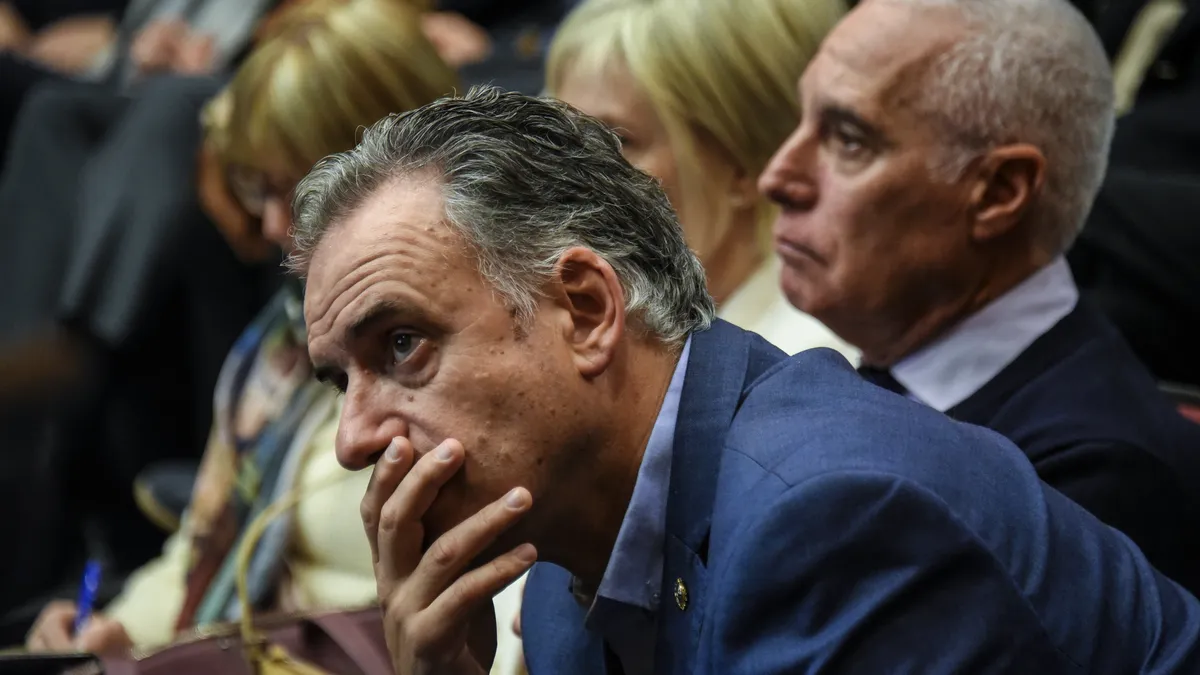
The stories multiply in the internal chats of the delegations. There are players who have been waiting for hours for a response from a customs official who does not know a hitch from a central steering wheel. “It seems that we are suspected of something, when we only came to play soccer,” confessed a few hours ago a member of a South American coaching staff, still chewing out the anger over an interrogation that went on longer than necessary.
The dog and the suitcase: the new routine
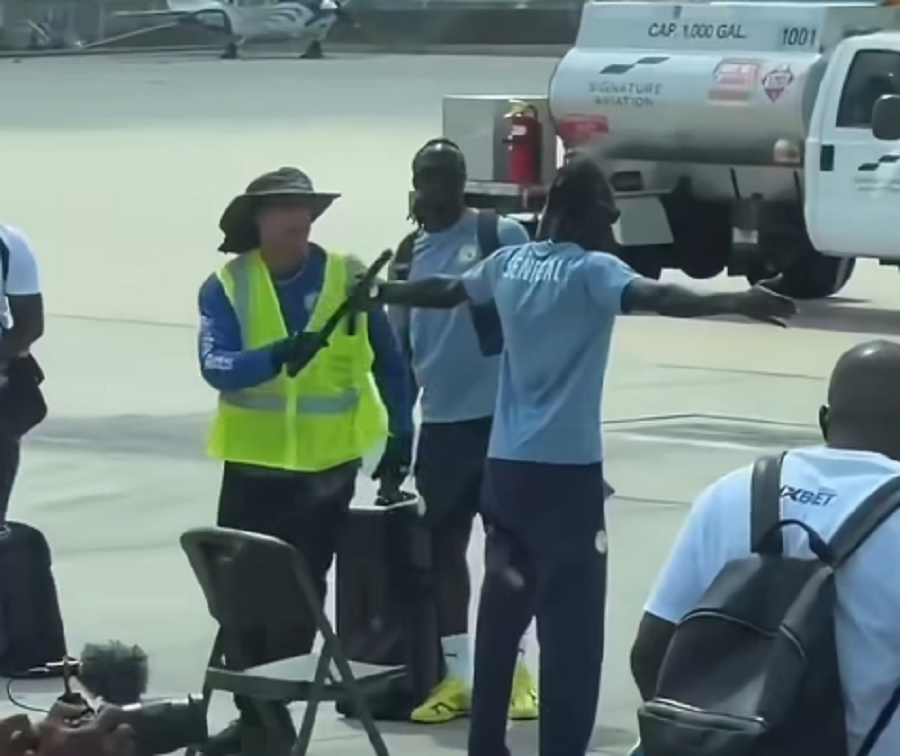
The scene is almost surreal for an elite athlete. Entering a host country is not the usual VIP protocol; Now it's dealing with trained dogs sniffing through handbags looking for anything that would breach strict border controls. It's not that the players are wearing anything strange, but the simple fact of being subjected to those exhaustive checks generates a tension that permeates the atmosphere.
In one of the air terminals, a representative of an African team had to empty his suitcase while half the airport looked on. There was nothing out of place, but the display was excessive. That type of microdetails, the scrutiny of each piece of clothing and the dry treatment of the officials, is beginning to tire the figures who only want to focus on the first game of the tournament.
The bureaucracy that does not understand goals
But the real problem is visas. Teams that had everything planned had to change logistics at the last minute because, halfway through, a key player found out that his entry permit was not authorized. It is a direct hit to the tactical planning of any coach. How do you prepare for a game if your left back is stranded in a consular office thousands of kilometers away?
From the organization, there is talk of standardized security protocols, but in practice, the feeling is one of chaos. The team delegates walk through the hotel hallways with the phone to their ear, trying to unblock situations that, in an event of this magnitude, should have been resolved months ago.
The hospitality that the 2026 World Cup promised seems to have been archived in some border security drawer. While players adjust their boots, the real challenge is crossing the border. And if they don't find a quick solution, the tournament could get off on the wrong foot in immigration clearances, long before the ball officially rolls.
Subscribe to Uruguay Al Día
Receive the most important news directly in your email. Clear, independent and updated information every day.
Follow us on WhatsApp
Join our official channel and receive alerts, news and exclusive content from Uruguay Al Día.
🔔 Join the WhatsApp channel