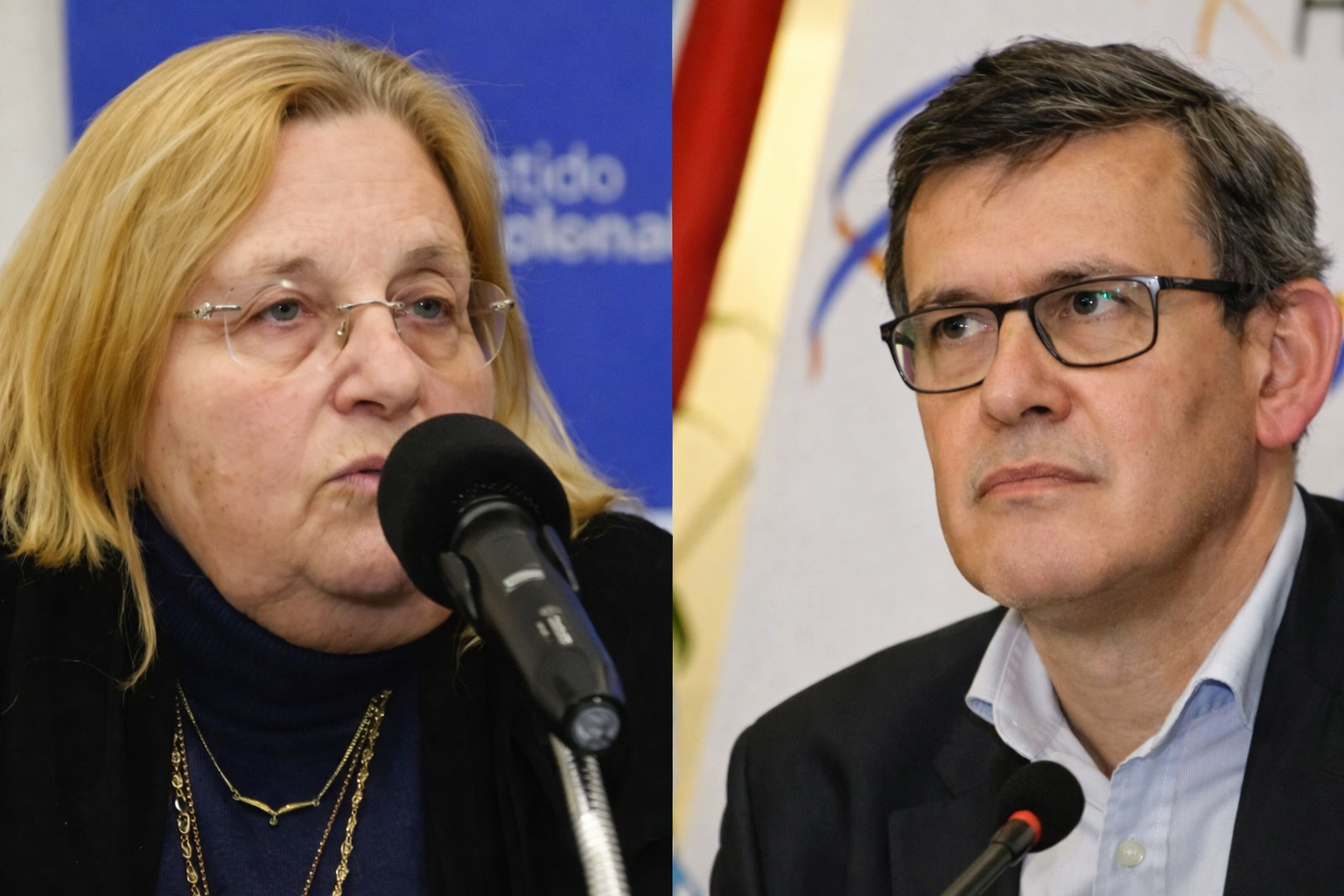
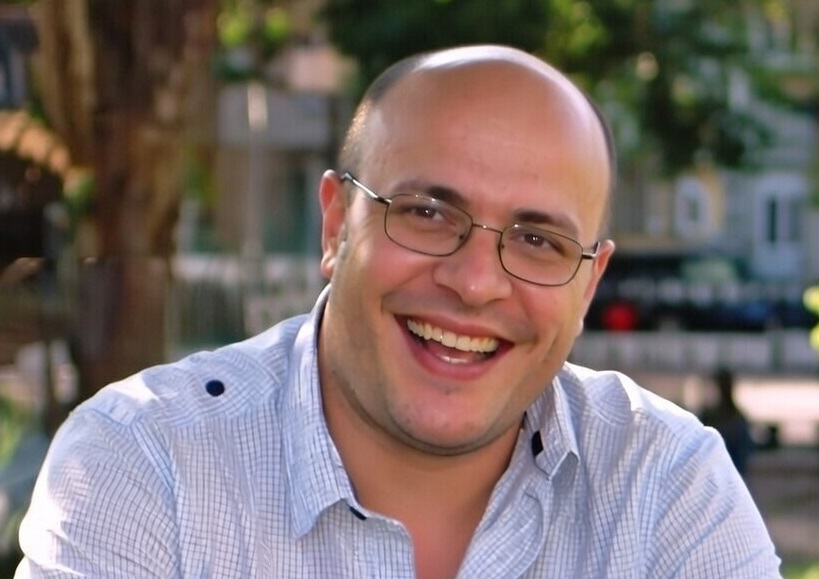
In Uruguayan politics, there are names that do not seem to lose validity, even after leaving their positions. That of Jorge Díaz, the former court prosecutor, is one of them. This time, it was Senator Graciela Bianchi who once again stirred the waters, launching a direct and heavy accusation: for the legislator, many of the difficulties that the government is going through today have an intellectual architect in the recent past of the Public Ministry.
“He is responsible for most of what happens to the government,” Bianchi stated in a recent interview, reaffirming a thesis that he has defended on several occasions: the structure and operation left by Díaz's management in the Prosecutor's Office have left the current ruling party's “hands tied.”
An uncomfortable “legacy”?
Bianchi's criticism is not new, but it is insistent. The center of his argument points to the design of the Attorney General's Office after the implementation of the new Code of Criminal Procedure (CPP). According to the senator, the institutional architecture that was set up during the Díaz years was not neutral, but rather left “anti-personnel mines” that today affect the development of government management.
For the ruling party, the Prosecutor's Office has repeatedly been a counterpower that has complicated the security agenda and other sensitive areas. Bianchi, who does not usually mince his words when defending his position, maintains that Díaz built a power structure “tailored to him” that today, even with him out of office, continues to exert a determining influence on the judicial system and criminal policy.
The debate on the independence of the Judiciary
On the other hand, voices critical of Bianchi point out that his words are an attack on the technical independence of Justice. “When the government cannot process its judicial agenda, it looks for a scapegoat,” they respond from the opposite sidewalk. For defenders of the former prosecutor's management, Díaz's work was strictly technical and the government's current problems are not explained by the structure of the Prosecutor's Office, but by his own management.
The sticking point is actually much deeper. This is the old discussion about the political control of autonomous organizations. For part of the National Party and its allies, the Prosecutor's Office—under the Díaz administration—became politicized; For the Frente Amplio and judicial sectors, what Bianchi is doing is an attempt to pressure the justice system to align with the needs of the government in power.
The consequences of a relentless confrontation
What is evident is that these types of statements mark the atmosphere of Parliament. It is not just a reproach to a former official, but a political communication strategy that seeks to explain to the electorate why certain campaign promises or public security goals have not advanced as expected.
Bianchi knows that putting a first and last name to problems generates support among his electoral base. By pointing to Díaz as “responsible,” the senator shifts responsibility for management failures to an external actor, turning judicial management into a permanent political battleground.
Meanwhile, the underlying debate—about how our Prosecutor's Office should really function to be efficient and transparent—is buried under the noise of the crack. The country continues to watch as political actors dispute control of justice agencies, forgetting that trust in these institutions is, in the long run, the most valuable asset that any democracy has.
Subscribe to Uruguay Al Día
Receive the most important news directly in your email. Clear, independent and updated information every day.
Follow us on WhatsApp
Join our official channel and receive alerts, news and exclusive content from Uruguay Al Día.
🔔 Join the WhatsApp channel