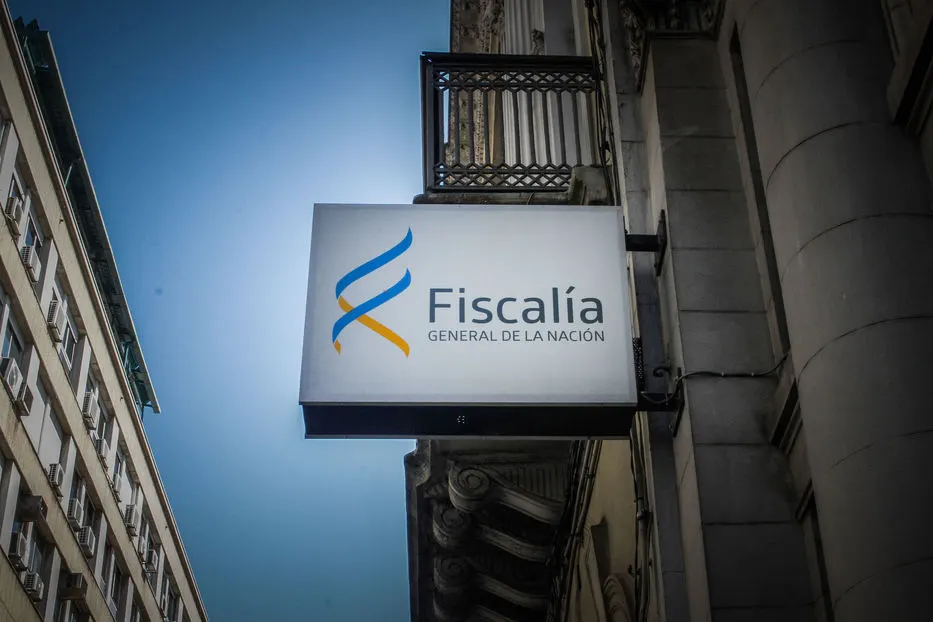

The morning coffee at the headquarters on Cerrito Street, where the hustle and bustle of files and the tension inherent to the criminal investigation never rest, today has a different flavor. It is no longer just the Code of Criminal Procedure, the workload or the lack of resources that monopolizes hallway conversations. The news spreads like wildfire among the desks: after years of promises that vanished in the air of parliamentary committees, the vast majority of prosecutors decided that it is time to change roles for lawsuits.
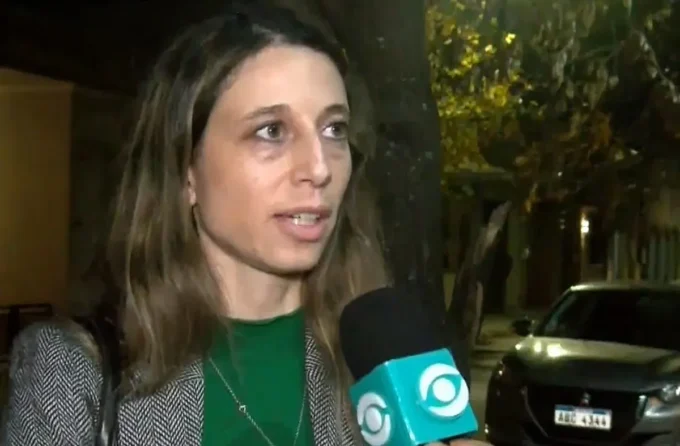
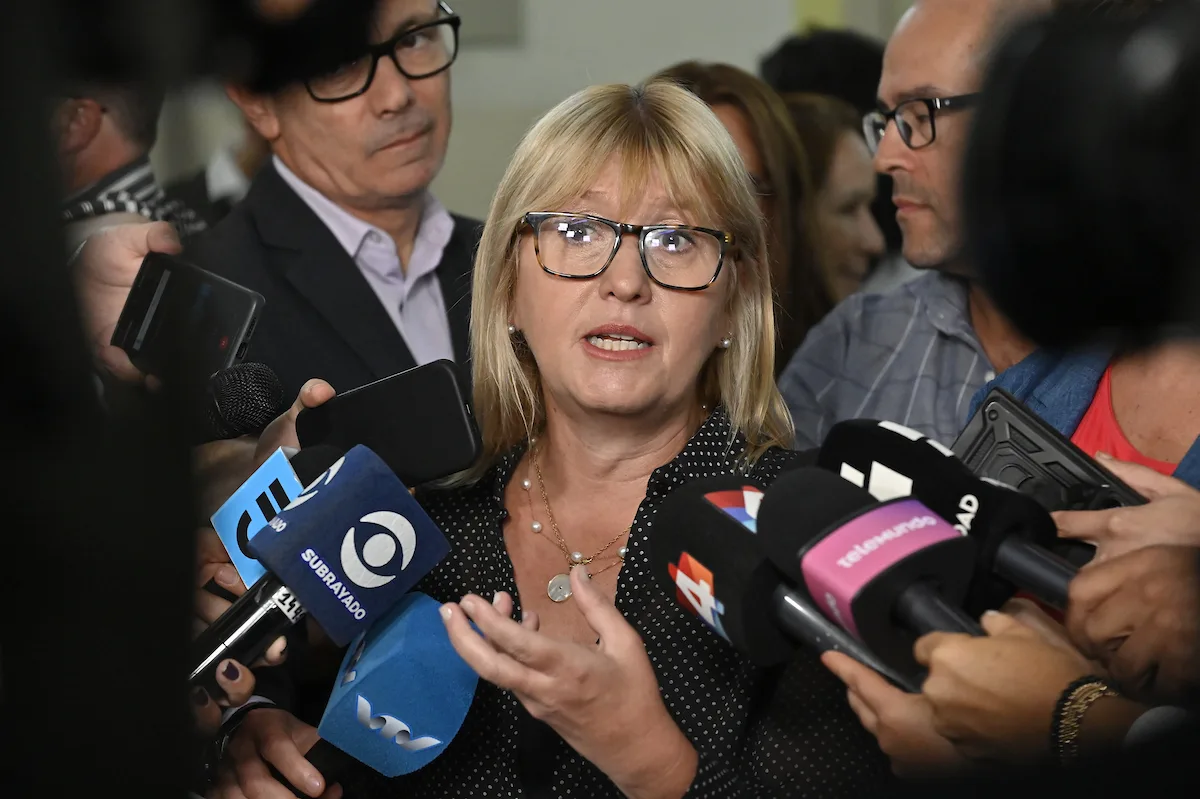
Claudia González, president of the Association of Fiscal Magistrates of Uruguay, confirmed it with the firmness of someone who knows that there is no other way out. “We already have the signatures,” he slipped, ending a negotiation cycle that stretched longer than the union was willing to tolerate. There are nearly 300 prosecutors—almost the entire body—who will go against the State. The claim is not minor: they demand a salary equalization with the judges that, they maintain, the organic law itself guarantees them but that the administrative reality systematically denies them.
A maze of numbers and broken mirrors
The conflict, which seems like an endless novel of ministerial offices, has a clear root: the organic law of the Prosecutor's Office establishes that the salary of a prosecutor must be the same as that of his “mirror position” in the Judiciary. However, in the real world, the numbers don't add up. The gap is 4.8%, a figure that, although it may seem small on paper, accumulated over years and multiplied by hundreds of officials, becomes a black hole worth millions of dollars.
The history of the dispute is a labyrinth of mirrors. In 2022, while the judges achieved a salary correction after a long litigation, the prosecutors watched from the opposite side. The government tried to patch the wound with laws that, one after another, proved insufficient or inapplicable. The last proposal, which required the signature of 80% of the prosecutors to be activated, was left in limbo, doomed to failure due to a lack of confidence in a solution that prosecutors feel will never arrive.
The cost of justice
“We estimate about 6 million dollars,” says González. The figure is not capricious. It is the calculation of what the Uruguayan State will have to disburse if Justice agrees with them. But beyond the dollars, the trial involves a symbolic battle. Prosecutors feel that they have been relegated in the structure of the State, carrying out a task of extremely high responsibility—the criminal prosecution of crimes—with a salary recognition that is not consistent with their counterparts in the judiciary.
Politics, meanwhile, continues to watch. Some legislators suggest that the budget does not go much further; others, quietly, admit that the claim is fair but that the State cannot afford to lose a trial of this magnitude. The problem is that, while items of money are being discussed in the Legislative Palace, the Prosecutor's Office is bleeding internally. Added to this fight over the general salary is the old wound of the seconded and adjuncts, where prosecutors with the same responsibility earn different salaries, a distortion that the administration recognizes but never manages to correct.
A point of no return?
The former president of the union, Willian Rosa, used to say that justice has a high bar for everyone, but sometimes, paradoxically, the administration itself seems to forget to apply that bar internally. The decision to go to trial is a clear sign that union diplomacy has run out.
Now, the ball is in the court of the magistrates. The State will have to defend a position that, according to prosecutors, is legally unsustainable. For the average citizen, the news sounds like another salary conflict between public officials. For the justice system, it is a crisis that comes at the worst possible time. When the Prosecutor's Office sits in the dock against its own employer, it is because something has definitely broken in the mechanism of the State.
Subscribe to Uruguay Al Día
Receive the most important news directly in your email. Clear, independent and updated information every day.
Follow us on WhatsApp
Join our official channel and receive alerts, news and exclusive content from Uruguay Al Día.
🔔 Join the WhatsApp channel