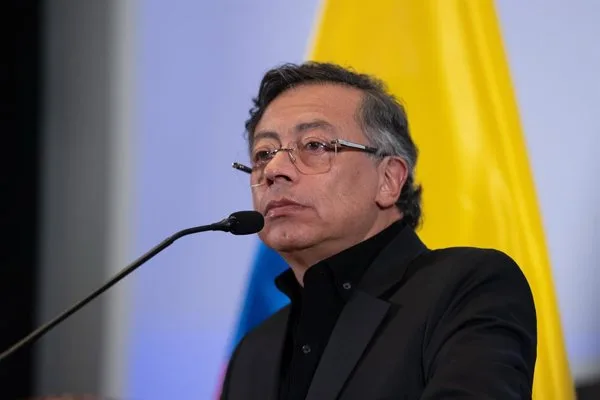
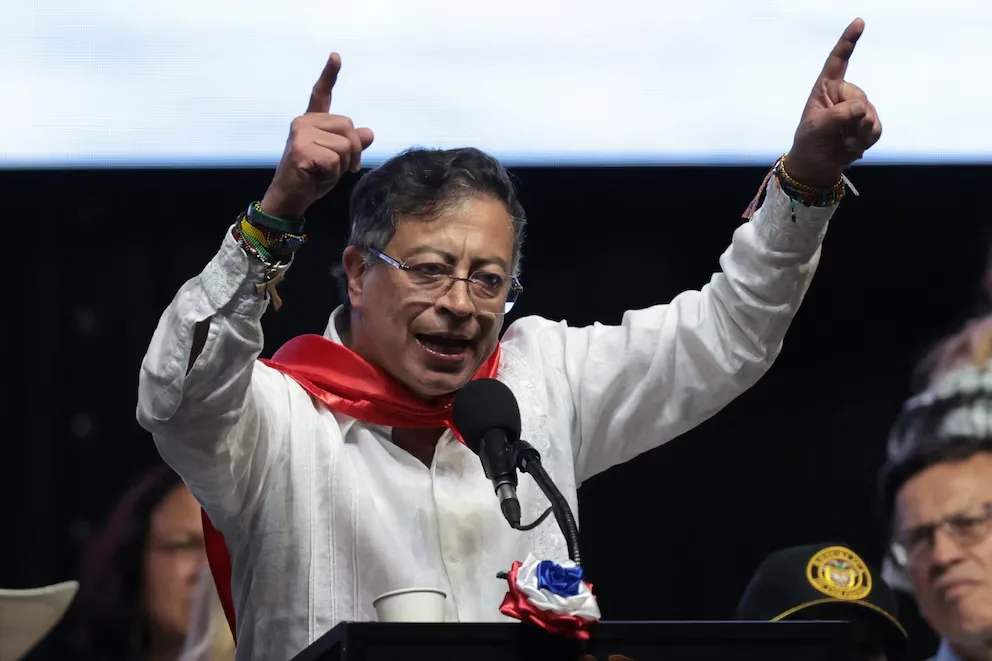


The South American political board caught fire this morning after a series of statements that border on the unprecedented in modern diplomacy. The threat from gustavo petro of taking up arms to defend Colombian sovereignty in the face of what it considers interference from the United States has left the Nariño Palace in a state of permanent boiling. The president used his official account on
"Although I have not been a soldier, I know about war and clandestinity. I swore not to touch another weapon since the 1989 Peace Pact, but for the Homeland I will take again the weapons that I do not want," stated the head of state. This threat from gustavo petro It breaks with the narrative of “Total Peace” that the government had been promoting since its inauguration, placing the country in a scenario of direct confrontation with Washington. For analysts in Montevideo and Buenos Aires, the tone of the message is reminiscent of the darkest times of the armed insurgency on the continent.

The order to the troops and the threat of Gustavo Petro
But the speech did not stop only at a personal intention to return to the guerrilla ranks. The threat from gustavo petro It quickly escalated into the Colombian military institutions. The president ordered the bases and troops to immediately remove any public force commander who “prefers the US flag to the Colombian flag.” According to Petro, the Constitution grants him the supreme command to demand the defense of popular sovereignty against what he described as an “invader”, in clear reference to the US troops.
This harangue to the internal rebellion within the barracks has generated total alarm in the opposition. Senator María Fernanda Cabal was one of the first to react, describing the statements as “dangerous delusions” and demanding respect by law. However, the threat from gustavo petro seems to seek the support of the most radicalized sectors of the public force, whom he called “children of Bolívar” to urge them to break ranks if the military command decides to align itself with the guidelines of the White House or the State Department.

Results against drug trafficking and Bogotá's response
In his defense, the Colombian president flatly denied being a “narco-dictator” or having ties to the mafias that plague the region. Part of the threat from gustavo petro It included a defense of his personal assets and the operations carried out under his command. He assured that his administration achieved the largest seizure of cocaine in the history and that the plan of voluntary crop substitution has already reached 30,000 hectares. For Petro, Marco Rubio's accusations are the result of ignorance of the country's history.
“I am not illegitimate, nor am I a drug trafficker,” he emphasized, challenging his detractors to review his bank statements. The threat from gustavo petro of mobilizing the people to “take power in all municipalities” as a form of protection against a possible coup or foreign intervention, adds an element of internal instability that worries neighboring countries. The order to the public force was blunt: not to shoot the people, but to shoot the invader. This distinction puts the middle managers of the police and the army in an extremely complex legal and ethical situation.

The confrontation with Trump and Rubio escalates to the regional level
The tension between Bogotá and Washington seems to have reached a point of no return. The threat from gustavo petro Standing as a “commander of the people” against Donald Trump marks the beginning of a phase of geopolitical resistance in the Andean bloc. The president Colombian accused to North American officials for not understanding the idiosyncrasy of the Colombian soldier, who according to their vision, would prioritize loyalty to the Executive over military cooperation agreements with the north.
While in the Silver River This turn towards war rhetoric is cautiously observed, in Colombia uncertainty is growing about the real operation of the armed forces in this scenario of fracture. The threat from gustavo petro Not only does he point to an external enemy, but he draws a dividing line within Colombian society itself between those who support armed resistance and those who see his words as institutional suicide. The call to the “Officers of Bolívar” to break ranks is, for many, the preamble to an unprecedented crisis of command.
Will you achieve the threat from gustavo petro unite the nationalist sector of the army in his favor, or will these statements end up definitively isolating the president at a time of extreme regional fragility?
Subscribe to Uruguay Al Día
Receive the most important news directly in your email. Clear, independent and updated information every day.
Follow us on WhatsApp
Join our official channel and receive alerts, news and exclusive content from Uruguay Al Día.
🔔 Join the WhatsApp channel