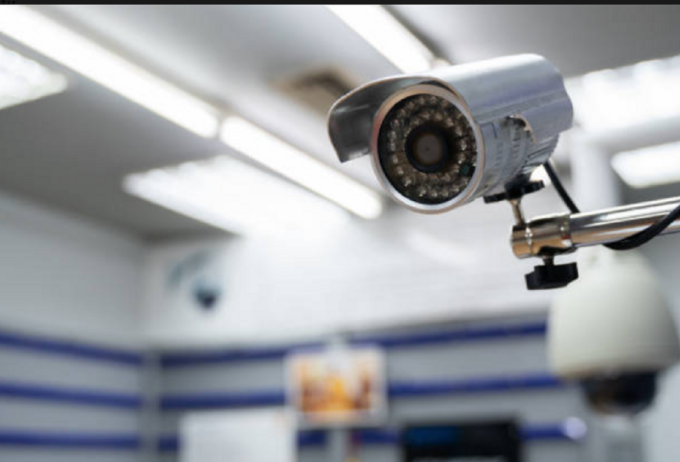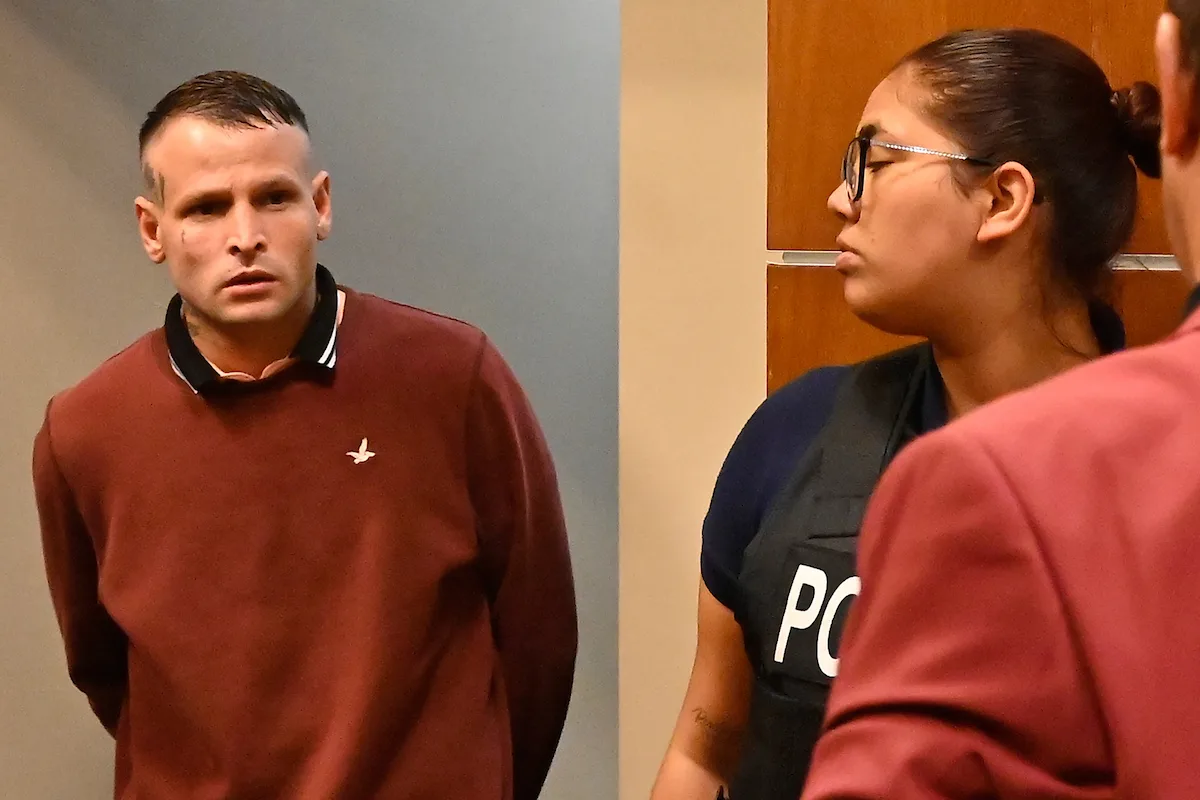
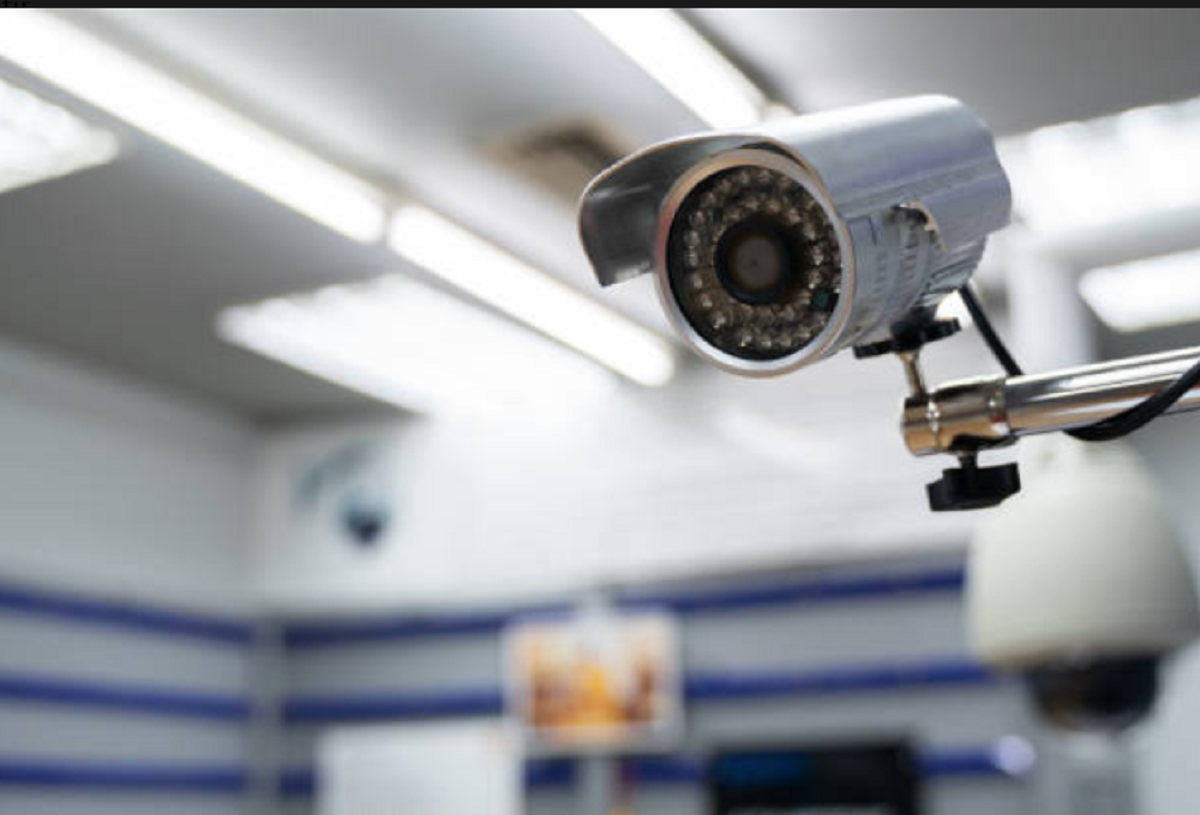


The peace of Parliament was disturbed this Tuesday by an issue that transcends ideologies and strikes a sensitive chord: patient safety. Colorado Senator Pedro Bordaberry put on the table a bill that seeks to install mandatory cameras and microphones in all operating rooms and critical areas of the health system, both public and private. The initiative was not born in a vacuum, but from the ashes of a case that shook public opinion: the conviction for malpractice of the anesthetist Inés Miralles.
While in the Senate Health Commission Minister Cristina Lustemberg tried to give explanations about the controversial decision to reduce the doctor's professional disqualification from five to three years, outside, on the street, the debate was already settled for many users. The question that floats in the air is whether the Uruguayan health system is capable of self-control or if, as Bordaberry's proposal suggests, the only guarantee of transparency is a permanent “eye” that records every movement.
A case that exposed the cracks
The Miralles case is not just a matter of malpractice; It is a story of ignored signs. Internal documents from the Italian Hospital, which recently came to light, prove that as early as March 2024 there were formal warnings about its performance. A report signed by the head of the surgical block at that time, Fausto Madrid, spoke of “behavior compatible with probable substance abuse.”
Social indignation not only points to the malpractice itself, but also to the subsequent bureaucratic plot. The reduction of the ministerial sanction, which led a large part of the Honorary Public Health Commission to resign in protest, was the last straw. In the waiting rooms and hallways of sanatoriums, patients now wonder who takes care of them when they fall unconscious on the gurney.
Technology as the last refuge
Bordaberry's proposal, which seeks to implement a “comprehensive, continuous and secure” registry, aims to end contradictory versions in negligence cases. The project details that the system should capture audio and video from entry to recovery, with a double storage system to avoid manipulations. They would be, in essence, “black boxes” like those of airplanes, but applied to human life.
For doctors, the proposal is a double-edged sword. Some see it as an intrusion into privacy and professional practice; others, however, receive it as a form of protection against unfounded complaints. But, beyond the union position, the compelling argument is confidentiality. “The records will be part of the medical history,” the text warns, seeking to protect the data under the same laws that today protect medical secrets.
The cost of mistrust
Lustemberg's appearance in Parliament served to demonstrate that, when trust is broken, political explanations are no longer enough. The minister had to face not only questions about the reduced sanction, but also scrutiny over whether the technical decisions were really that or whether factors other than medical ethics weighed.
Bordaberry's proposal comes at a time of reputational crisis for the system. If doctors are under suspicion and the Ministry of Health is questioned for its sanction criteria, the camera in the operating room is presented as the only “absolute truth.” It is a bitter and technocratic remedy, yes, but it is the reflection of a society that is no longer willing to accept vague responses to avoidable tragedies.
Subscribe to Uruguay Al Día
Receive the most important news directly in your email. Clear, independent and updated information every day.
Follow us on WhatsApp
Join our official channel and receive alerts, news and exclusive content from Uruguay Al Día.
🔔 Join the WhatsApp channel