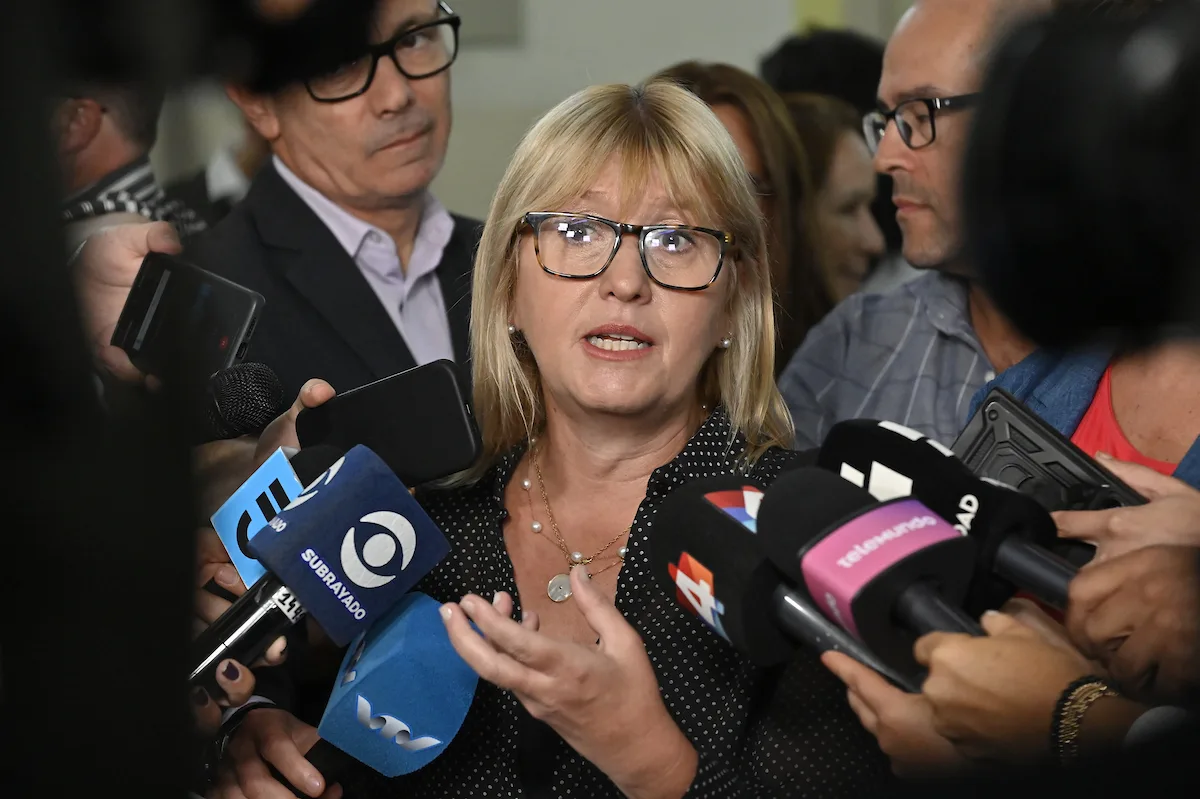
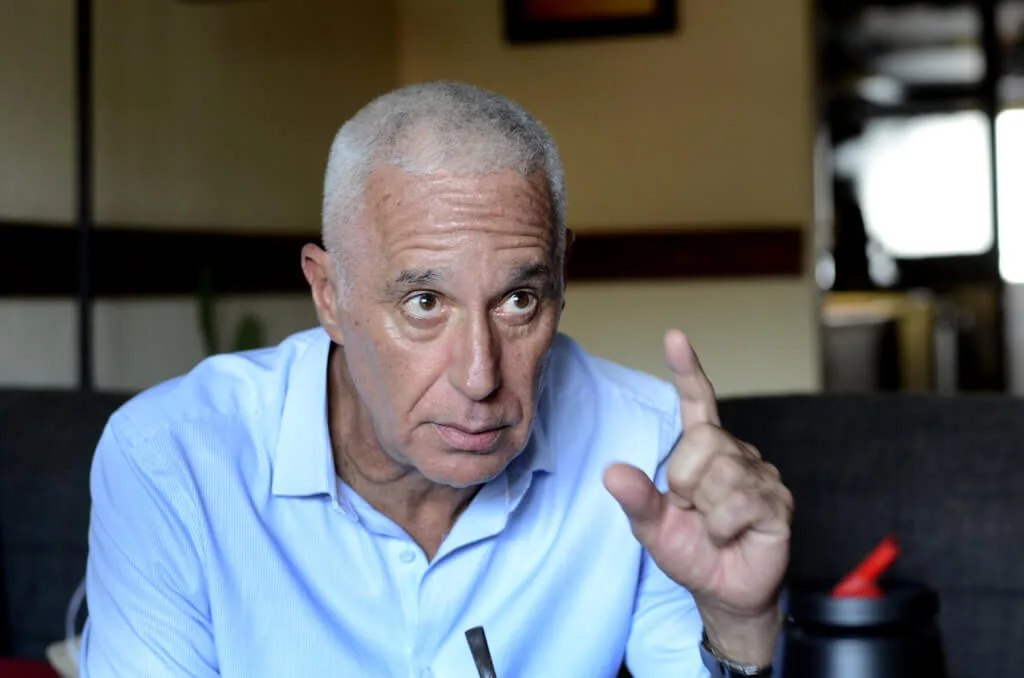


In the Ministry of the Interior, the strategy seems to be clear: when reality becomes unsustainable, we must look for a lesser culprit, change his chair and move on as if nothing had happened. The recent removal of police officials in Montevideo is nothing more than the latest chapter in this operetta of instability. While insecurity knocks on the door of every Uruguayan, the opposition has decided to raise the tone and point, rightly, where it really should point: the heart of political management.
“They change everyone, except the minister.” The phrase, forceful and lapidary, summarizes the boredom of an opposition that no longer buys the story of “renewal.” Carlos Negro, a central figure in this decision-making mechanism, is under crossfire where the legitimacy of his management has long been in doubt.
A fuse that burns itself?
Security policy has entered a spiral of improvisation where police chiefs seem like fuses. They burn, they replace, they burn again and the final result remains the same: a Montevideo where crime feels more comfortable every day. The opposition points out, with data in hand, that the rotation of names is the symptom of a lack of a comprehensive plan.
How long can you sustain a model that is only dedicated to rotating chairs? The problem is not the police officer who goes out on the street or the chief who coordinates patrols; The problem is the political leadership that guides them—or disorients them—from above. The permanence of political hierarchies while the police force bleeds into constant changes is a mockery of the intelligence of citizens.
The responsibility that no one wants to assume
It's easy to point at the career cop and say he "didn't live up to expectations." It is much more difficult, of course, to recognize that the security design from the Ministry of the Interior is an empty shell. The opposition now demands explanations about the role of Carlos Negro, demanding that the corresponding political responsibilities be assumed. Because if the security policy fails, the person responsible is not the commissioner on duty, it is the one who signed the plan that ended up on empty paper.
What irritates is not just failure, it is arrogance. That tone of sufficiency with which changes are announced that, for all to see, will not solve the underlying problem. While the Ministry hides behind resignations and appointments, the violence continues. The opposition, on this occasion, has managed to put its finger on the sore point: the crisis is not police, it is political management.
The cost of sustaining the unsustainable
Supporting certain leaders despite the evidence of the results is a risky bet that is costing the government dearly. Citizens no longer ask for photos of new leaders taking office; calls for results that lower the crime rate and restore tranquility to the neighborhoods. But apparently that's asking too much.
Security management in Uruguay has become a labyrinth where the government locks itself in. Every change at the top is a tacit recognition that the previous thing did not work, and every time they insist on not touching the head of the Ministry, all they do is demonstrate that their priority is to stay in power, not solve people's problems. The clock is ticking, insecurity does not rest and the patience of all of us, at this rate, has an expiration date.
Subscribe to Uruguay Al Día
Receive the most important news directly in your email. Clear, independent and updated information every day.
Follow us on WhatsApp
Join our official channel and receive alerts, news and exclusive content from Uruguay Al Día.
🔔 Join the WhatsApp channel