

In a context of growing tension, the port of Havana received a crucial shipment. More than 1,600 tons of food arrived from Mexico and Uruguay.
The merchant ship Asian Katra, flying the Panamanian flag, docked with a clear mission: to alleviate the crisis that is devastating Cuba. The island, affected by severe shortages, sees this aid as a lifeline.
The scene at the port was one of hope. Workers unloaded boxes under a scorching sun. Local observers, many of them with worried faces, crowded to witness the arrival of the supplies.
Social impact on the island
The arrival of the shipment is a ray of light for thousands of Cubans. The country's energy situation has worsened, impacting essential services such as hospitals and transportation.
On the streets of Havana, conversations revolve around shortages. In markets, empty shelves are a constant reminder of the crisis. Families struggle to get the basics.
The aid is intended mainly for children and the elderly, those most affected by the lack of supplies. This is expected to alleviate pressure on communities in critical situations.
In the most affected neighborhoods, the arrival of these foods is cause for small celebrations. Children play in the streets while their mothers discuss how they will distribute the new supply.
In rural areas, the situation is even more serious. Communities depend on local crops, but a lack of fuel for agricultural machinery has significantly reduced production.
A look at the energy crisis
The energy deficit is a hot topic. With oil production covering only 40% of demand, restrictions are the norm.
In hospitals, emergency generators operate at their limit. Industrial plants operate intermittently, and public transportation is a daily challenge for Cubans.
International economic sanctions have exacerbated the situation. Cuba is at a critical point, with few options to reverse the trend without external support.
Long lines at gas stations are an everyday sight. Drivers wait for hours hoping to fill their tanks, swapping stories of how they survived the shortage.
At the University of Havana, students debate the country's energy future. The lack of resources has impacted the continuity of their studies, with electricity outages affecting classes.
An international effort
The collaboration of Mexico and Uruguay stands out in the midst of this crisis. Shipping logistics were meticulously coordinated to ensure supplies arrived on time.
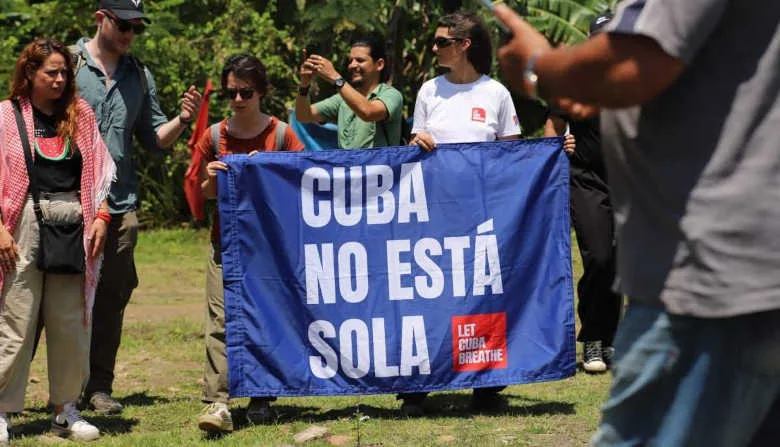
In Santiago de Cuba, activists from several countries were received by government representatives. International solidarity translates into concrete actions that seek to alleviate suffering on the island.
Social and political pressure continues to grow. Cuba faces a monumental challenge, and humanitarian aid is only the first step toward a more lasting solution.
The role of international organizations has been crucial. They have worked tirelessly to ensure that aid reaches those who need it most, often overcoming enormous logistical obstacles.
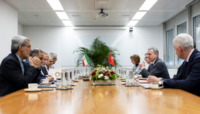
In diplomatic meetings, representatives of allied countries discuss strategies to provide ongoing support, aware that this aid is only a temporary palliative.
The human face of the crisis
In the neighborhoods of Havana, stories of struggle and resistance emerge. Entire families depend on the solidarity of their neighbors and international shipments to survive.
The arrival of the Asian Katra is a reminder that, despite the difficulties, the global community has not forgotten Cubans.
The future is uncertain, but for now, the relief this shipment brings is palpable. Cuba continues to fight, hoping that tomorrow will be better.
In a small community kitchen, volunteers distribute rations to those patiently waiting in line. The faces of gratitude are a constant, reflecting the importance of each food received.
The testimonies of the beneficiaries are moving. A single mother tells how, thanks to help, she has been able to feed her children without having to make extreme sacrifices.
The challenge remains enormous, but the resilience of the Cuban people is unbreakable. International aid is a reminder that you are not alone in this fight.
For many, these donations represent more than just material help; They are a symbol of hope and solidarity that strengthens the community spirit.
At night, when the city shuts down due to power outages, Cubans gather around battery-powered radios, sharing stories and supporting each other in the darkness.
Subscribe to Uruguay Al Día
Receive the most important news directly in your email. Clear, independent and updated information every day.
Follow us on WhatsApp
Join our official channel and receive alerts, news and exclusive content from Uruguay Al Día.
🔔 Join the WhatsApp channel