

Nationalist rejection of Cosse's project to expand the Legislative Palace
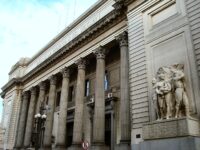
The headquarters of the Legislative Branch is at the center of a new political dispute after the presentation of an ambitious structural and urban reform plan. The initiative, promoted by Vice President Carolina Cosse, seeks to modernize the facilities of the Legislative Palace within the framework of its hundred years of history, but has encountered immediate resistance in the ranks of the ruling party.
The document, which has already been sent to the Administrative Commission, will be formally analyzed next Thursday, May 14. However, the political climate suggests a complex path to its approval, given the tenor of the questions that point both to the opportunity of the expense and the management of whoever promotes it.
A new annex and changes in the urban circulation of Montevideo
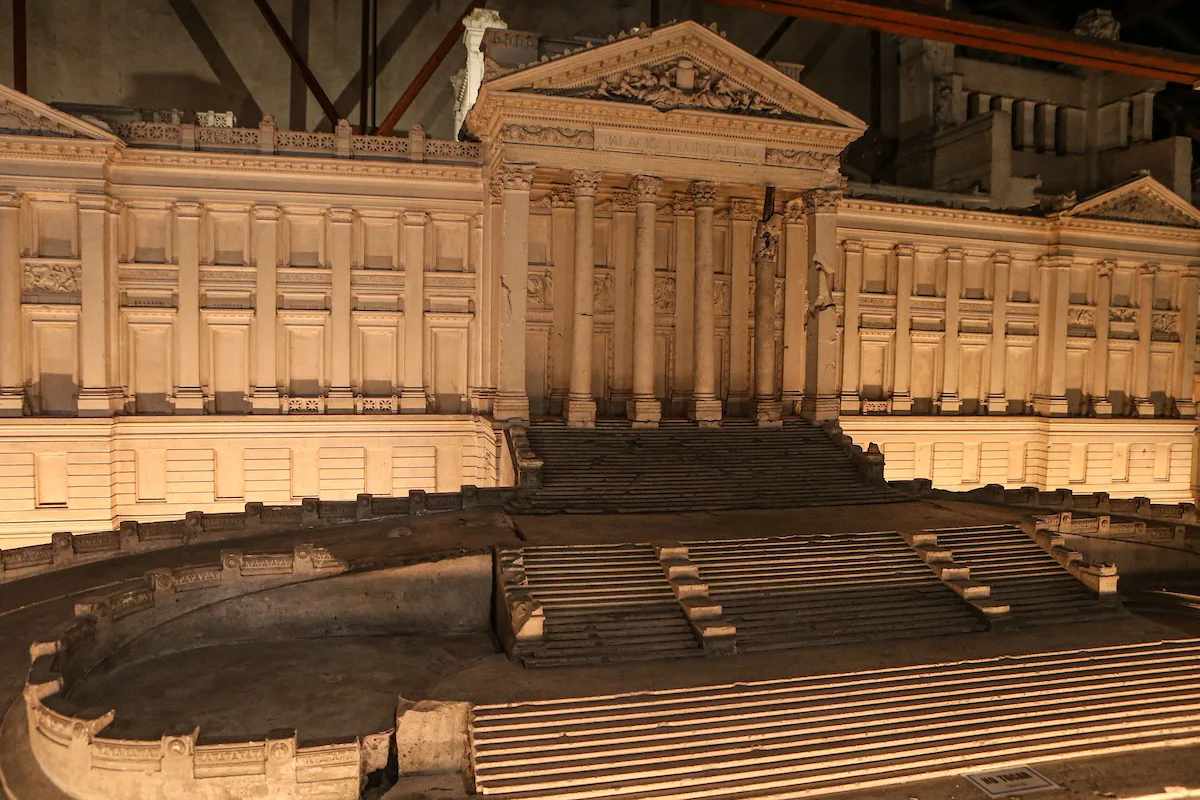
The core of Cosse's proposal lies in the construction of an auxiliary structure of 2,600 square meters. This new block would be located on Ramón Escobar Street and would have multiple functional purposes: from administrative offices, archives and specialized libraries, to a vaccination center and areas intended for social purposes, such as a home for students and a CAIF center.
Beyond the building construction, the plan contemplates a profound intervention in the physiognomy of the parliamentary environment. The elimination of lanes on Avenida de las Leyes is proposed to make way for tree-lined areas and flowerbeds, the partial pedestrianization of sections of General Flores and the reconfiguration of bus stops and traffic lights. These measures seek, according to the project, to prioritize the historical monument in its centenary.
The reaction of the National Party: “Bewilderment and surprise”
The response of the white legislators was immediate and had a markedly critical tone. Senator Sebastián Da Silva was one of the most vocal in this regard, questioning the hierarchy of the vice presidency's priorities. For the legislator, the construction of works intended for political activity should not be on the current public agenda.
Da Silva recalled Cosse's previous efforts to justify his distrust, pointing out that the leader's background in public works is “emblematic” and detracts from the credibility of the new proposal. “I'm not even interested in looking at the model,” stated the senator, reflecting the discomfort that the document generated within the party.
Questions about opportunity and management style
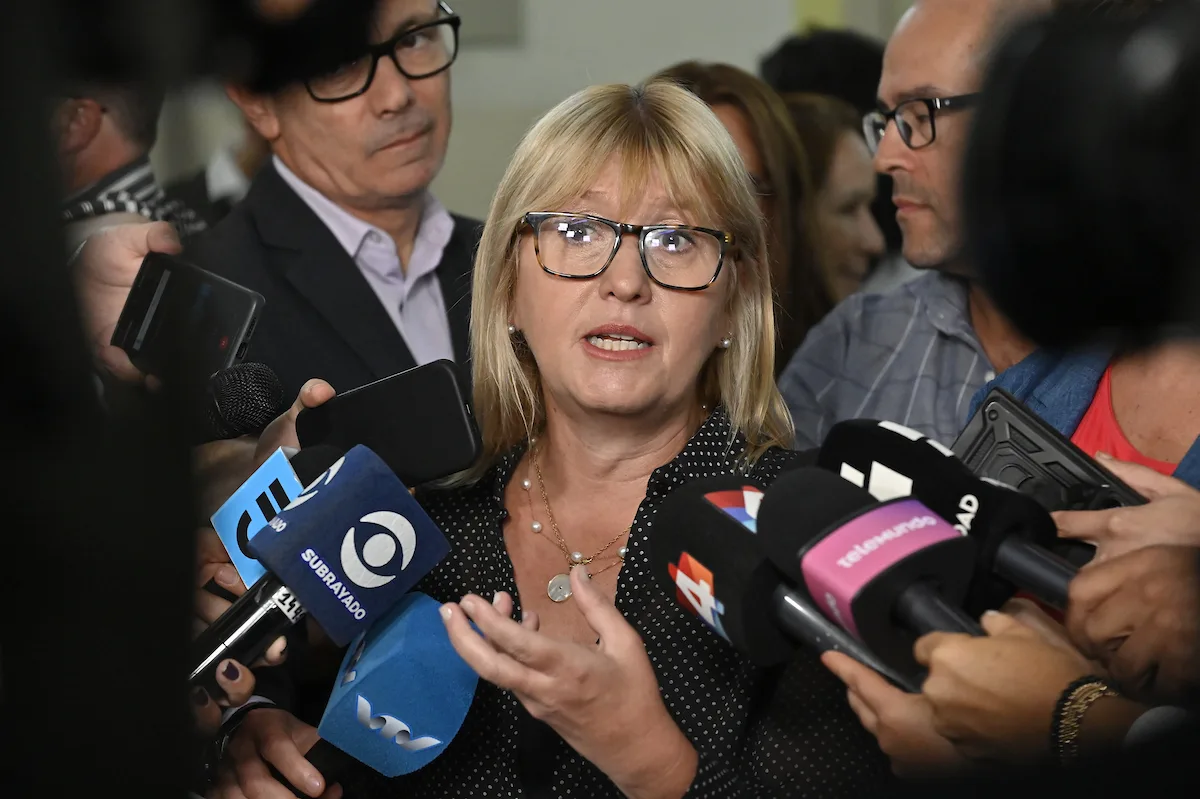
For her part, Senator Graciela Bianchi described the proposal as “out of place.” In his statements to the press, Bianchi emphasized that the country is not going through a favorable moment to allocate resources to infrastructure that he considers dispensable. The legislator defended the current working conditions in parliament and questioned what she perceived as an “autocratic” attitude in decision-making by the vice president.
The lack of prior consultation seems to be another point of friction. As it turned out, the dissemination of the plan took the members of the National Party by surprise, generating tense exchanges in the parliamentary coordination groups.
Urban impact and projections of the centenary
The project is presented under the premise of celebrating the century of life of the building, an iconic work of Uruguayan heritage. However, the debate has quickly turned to public budget management and the relevance of urban reforms in an area of high sensitivity for capital traffic.
The technical and political discussion that will take place in the Administrative Commission will be key to determining whether any of the proposed interventions, such as the expansion of green spaces or the creation of social services within the legislative property, manages to attract the necessary support to be implemented. For the moment, the rift between the ruling party and the vice presidency regarding the future of the Legislative Palace seems insurmountable.
Subscribe to Uruguay Al Día
Receive the most important news directly in your email. Clear, independent and updated information every day.
Follow us on WhatsApp
Join our official channel and receive alerts, news and exclusive content from Uruguay Al Día.
🔔 Join the WhatsApp channel