

International sanctions on Venezuela: the odyssey of the Russian oil tanker that challenges Washington
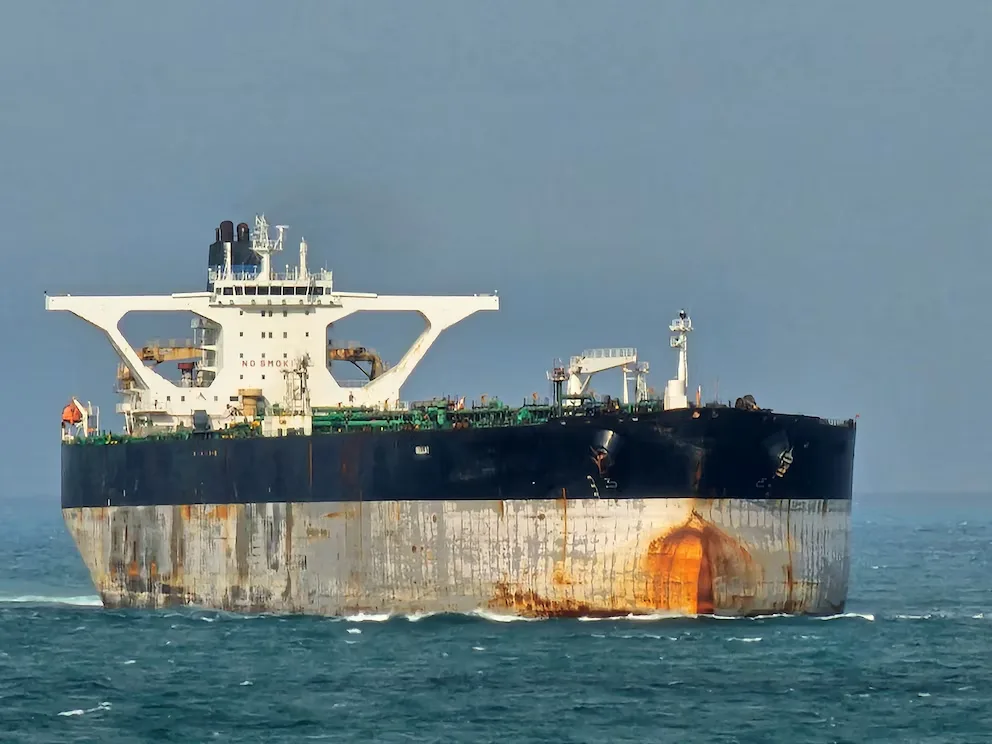
The geopolitical chessboard of the North Atlantic has been transformed into a scene of high tension after the reappearance of the Marinera tanker. The vessel, which is part of the so-called “shadow fleet” in charge of moving crude oil for regimes under pressure, once again issued location signals after two weeks of absolute silence. This movement occurs within the framework of a movie chase initiated by the United States Coast Guard, which tried to intercept the ship in the Caribbean due to the strict international sanctions on Venezuela that prohibit the commercialization of their oil.
The ship, formerly known as Bella 1 and recently renamed under the Russian flag based in Sochi, was detected heading towards the northeastern Atlantic Ocean. According to satellite tracking data processed by the EFE agency, the ship could be trying to circumnavigate Scandinavia to take refuge in the Arctic port of Murmansk. This escape not only represents a logistical challenge, but also a diplomatic slap to Donald Trump's administration, which has intensified surveillance over any assets linked to external punitive actions. to Venezuela.
The incident in the Caribbean and the protection of the Kremlin
The chronology of events reveals an escalation of hostilities that began on December 20. In Caribbean waters, American ships tried to board the tanker, alleging irregularities in its flag and a judicial seizure order. However, the crew of the Marinera rejected the inspection and fled towards international waters, invoking the sovereign protection of Russia. This gesture forced Washington to rethink its strategy, since boarding a ship with formal support from Moscow escalates the conflict to a level of direct confrontation between powers, going beyond the framework of simple sanctioning resolutions.
From Moscow, the Russian government was quick to make its position official, formally demanding that USA cease harassment against a ship of its registry. This maneuver is seen by international experts as a legal shield designed specifically to pierce the economic blockade. By changing the name and flag of the ship in the middle of the journey, Russia and Caracas manage to make the application of international restrictive measures difficult, forcing the Coast Guard to carry out high-risk boarding maneuvers that would require special Navy forces, something that for now the White House seems hesitant to execute.
Trump's offensive and Miraflores' response
The context of this naval chase is not coincidental; responds to a new phase of maximum pressure exerted by the US president against the Miraflores palace. Trump has made it clear that his administration will not tolerate the flow of currency to the regime of Nicolás Maduro, implementing what many analysts already describe as a de facto naval blockade. Under the umbrella of international sanctions on Venezuela, the US has already confiscated two ships in the region, sending a strong message to shipping companies that risk transporting the South American country's oil.
For its part, Nicolas Maduro has opted for a narrative of apparent calm, although without denying the reported attacks against port facilities in Venezuelan territory. In a recent interview, the president assured that the system national defensive guarantees the integrity of the territory, while avoiding giving details about the alleged CIA drone bombing of a key dock. This game of shadows is fundamental to understanding how international punishment resolutions to Venezuela They are affecting not only the economy, but also the physical security of the Venezuelan oil infrastructure, which today seems to be in the crosshairs of Washington's tactical attacks.
Negotiations under pressure and the future of crude oil
Despite the bellicose rhetoric, Maduro has reiterated his willingness to dialogue with the United States about a possible agreement against drug trafficking, an issue that Trump uses as justification for military deployment in the Caribbean. However, the gap between both governments seems to be unbridgeable as long as ships like the Marinera continue to operate, which demonstrate the existence of a global support network to evade global coercive provisions. The Russian “shadow fleet” is still the oxygen lung that allows Caracas to maintain a minimum export quota, challenging the global financial order led by the dollar.
The reappearance of the oil tanker in the North Atlantic marks just one more chapter in this war of economic attrition. If the Marinera manages to reach Russian waters without being intercepted, it will set a dangerous precedent for the effectiveness of the international sanctions on Venezuela, demonstrating that with the support of a nuclear power, the American blockade can be pierced. The community international observes cautiously this displacement, knowing that any miscalculation on the high seas could light a fuse that goes far beyond a simple commercial conflict over barrels of crude oil.
Will the United States government be able to maintain the effectiveness of its blockades in the face of the growing sophistication of the evasion methods used by its geopolitical adversaries?
Subscribe to Uruguay Al Día
Receive the most important news directly in your email. Clear, independent and updated information every day.
Follow us on WhatsApp
Join our official channel and receive alerts, news and exclusive content from Uruguay Al Día.
🔔 Join the WhatsApp channel