
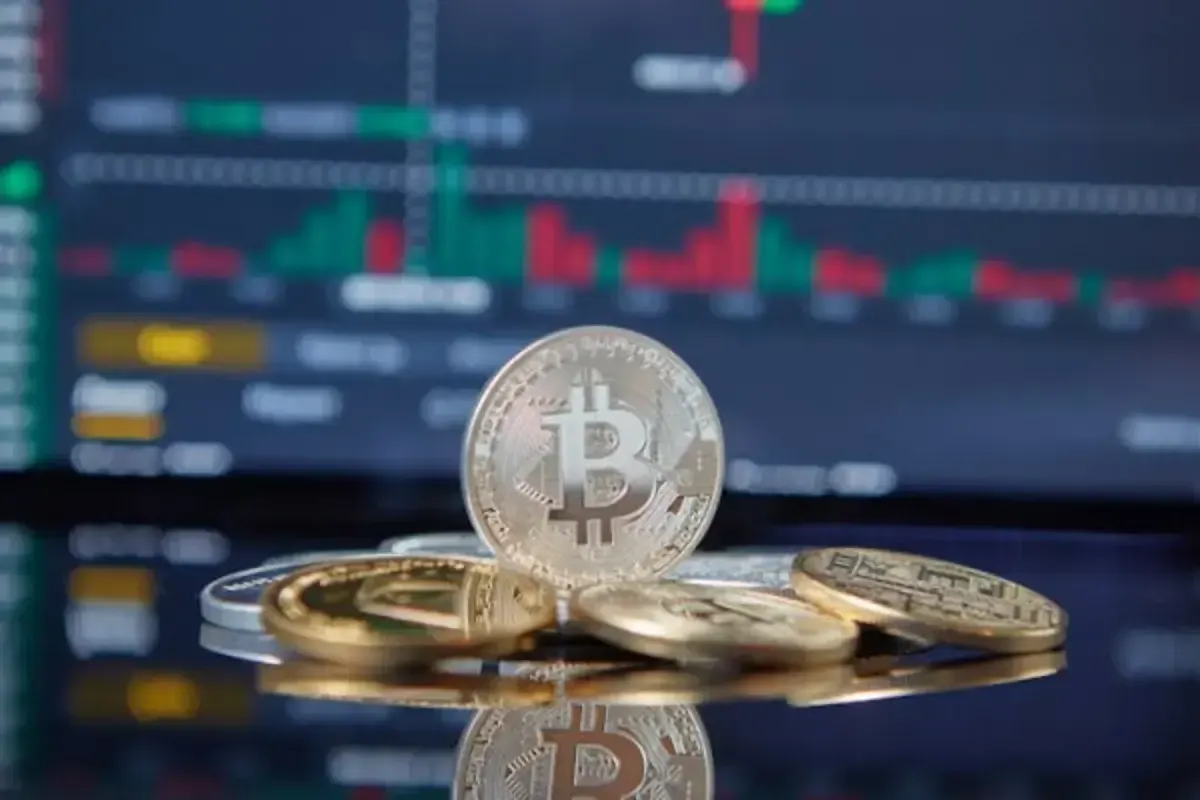


The future of Bitcoin is a topic that is capturing the attention of investors and analysts around the world. Since its meteoric rise, this digital asset has evolved, and is now being discussed not only as a form of investment, but as an essential component in the global financial infrastructure. With the growing trend of institutional acceptance, interest in Bitcoin as digital gold is growing, suggesting a shift in the way people perceive value and financial stability. Furthermore, with cryptocurrency regulation constantly developing, the future of Bitcoin is expected to become clearer and more accessible, encouraging its integration into diversified portfolios. As sustainability concerns in Bitcoin are addressed, its appeal could also increase, cementing it as a viable option for various investors.
The projection of the cryptocurrency that has revolutionized the financial system is a fascinating topic and full of potential. Bitcoin, often considered digital gold, is attracting the attention of both green investors and established institutions, which is leading to a shift in its market acceptance. The evolution of cryptocurrency regulation suggests that the legal frameworks governing their use are improving, which could spur a greater investment flow. In turn, the search for a sustainable approach to the production and management of Bitcoin is becoming a priority, affecting its perception and long-term viability. In this context, it is critical to understand how these dynamics shape the future of this iconic cryptocurrency.
Bitcoin Trends in 2025
In 2025, Bitcoin trends are marking a change in the perception of the digital asset. Among the most relevant is the increase in adoption among companies and small businesses, which see Bitcoin not only as an investment opportunity, but as a viable alternative for daily transactions. This change is driven by the growing interest in cryptocurrencies, and the need to diversify sources of income. Evolution in blockchain technology also promises to make Bitcoin transactions faster and more secure, thus attracting new users.
Additionally, the global financial environment has contributed to Bitcoin trends focusing on increases in adoption and the search for solutions to regulatory concerns. Reports on institutional acceptance show that large corporations are seriously considering including Bitcoin on their balance sheets. This approach not only results in an increase in the value of Bitcoin, but also encourages a dialogue about its impact on the global economy and the sustainability of cryptocurrencies.
The future of Bitcoin and its institutional acceptance
The future of Bitcoin looks bright, especially with the rise of institutional acceptance by traditional investors. In recent years, we have seen how financial giants, such as JPMorgan and Goldman Sachs, have begun to recognize the Bitcoin value and have created products specific to facilitate your investment. This phenomenon not only validates Bitcoin as an asset class, but also encourages other investors to consider including it in diversified portfolios. Institutional acceptance will undoubtedly represent a key moment for the legitimization and growth of Bitcoin in a broader context.
As institutional acceptance continues to grow, so does the push for clearer regulations around cryptocurrencies. Financial institutions are driving dialogue on the need for frameworks that protect both investors and consumers. If proper regulations are put in place, this could remove much of the uncertainty that has surrounded Bitcoin, making it even more attractive for institutional investments and fostering a more favorable environment for its future expansion.
Cryptocurrency regulation and its impact on Bitcoin
As cryptocurrencies evolve, regulation is presented as a critical factor influencing their future. The creation of clear and understandable regulations by regulatory bodies is essential to guarantee the safety of users and the integrity of the market. However, this regulation can vary greatly between countries, which adds a level of complexity for investors seeking stability. In this context, Bitcoin could benefit from a harmonized approach that offers confidence in both the use and investment in this cryptocurrency.
On the other hand, regulation is also driving a positive change in the perception of Bitcoin. With a more regulated environment, institutions may feel more comfortable investing in cryptocurrencies, which could result in significant growth in their value and acceptance. As more countries create laws that incorporate Bitcoin into a broader financial framework, it will be key to see how this affects its functioning and perception in the asset market.
Sustainability in Bitcoin and cryptocurrency mining
Sustainability has become a crucial topic within the debate over the future of Bitcoin, especially with regards to its mining process. Although Bitcoin mining has traditionally been criticized for its high energy consumption, many in the industry are adopting more sustainable practices, using renewable energy such as solar or wind. This transition not only helps reduce the carbon footprint that Bitcoin produces, but also can change the public narrative about cryptocurrencies, just when the world is looking for more environmentally responsible solutions.
Technological innovations in the mining process are also being explored to increase efficiency and decrease environmental impact. New methods are being developed that will require less energy, thus facilitating a more sustainable future for Bitcoin. This could be decisive for its long-term acceptance, considering that consumers and investors are increasingly aware of the environmental impact of their decisions. The convergence of technology and sustainability will position Bitcoin in a privileged place within the global financial ecosystem.
Bitcoin as digital gold in uncertain times
The comparison of Bitcoin with the Gold becomes more prominent in times of economic uncertainty. As traditional markets face volatility, investors often look for 'safe havens' and Bitcoin is increasingly seen as a viable alternative. This has led to an increase in its demand and popularity, reinforcing the idea that Bitcoin not only It is a speculative asset; it can serve as a long-term store of value in an uncertain economy.
Furthermore, the concept of Bitcoin as 'digital gold' is not only based on its ability to act as a safe haven, but also on its deflationary nature. With a limited supply of 21 million coins, many analysts believe its scarcity makes it an attractive asset against inflation. As nations continue to print money to deal with economic crises, interest in Bitcoin as a 'digital gold' could intensify, causing more people to consider its role in investment strategies.
Frequently asked questions
What is the future of Bitcoin in terms of Bitcoin trends?
The future of Bitcoin is marked by trends such as growing institutional acceptance, where large firms are looking to integrate Bitcoin into their portfolios. This suggests a consolidation of Bitcoin as an investment asset, attracting more serious investors and expanding its global use.
How does institutional acceptance influence the future of Bitcoin?
Institutional acceptance of Bitcoin is crucial to its future. The entry of exchange-traded funds (ETFs) and the investment of large institutions lead to greater legitimation and trust in the crypto asset, which could skyrocket its price and increase overall adoption.
What role will cryptocurrency regulation play in the future of Bitcoin?
The Cryptocurrency regulation is essential for the future of Bitcoin. A clear and solid regulatory framework will foster transparency and security, which will encourage institutional investment and allow for more orderly growth of the crypto ecosystem.
Can Bitcoin be considered digital gold in the future?
Yes, Bitcoin is increasingly considered digital gold. Its limited and decentralized nature makes it a safe haven against inflation and economic uncertainty, which suggests that its demand will continue to grow, especially in times of crisis.
How does sustainability in Bitcoin affect the future of cryptocurrencies?
Sustainability in Bitcoin is vital to its future, as pressure for greener practices is leading many miners to adopt renewable energy sources. This change will not only improve public perception of Bitcoin, but will also be essential to its acceptance in an increasingly environmentally conscious environment.
Subscribe to Uruguay Al Día
Receive the most important news directly in your email. Clear, independent and updated information every day.
Follow us on WhatsApp
Join our official channel and receive alerts, news and exclusive content from Uruguay Al Día.
🔔 Join the WhatsApp channel