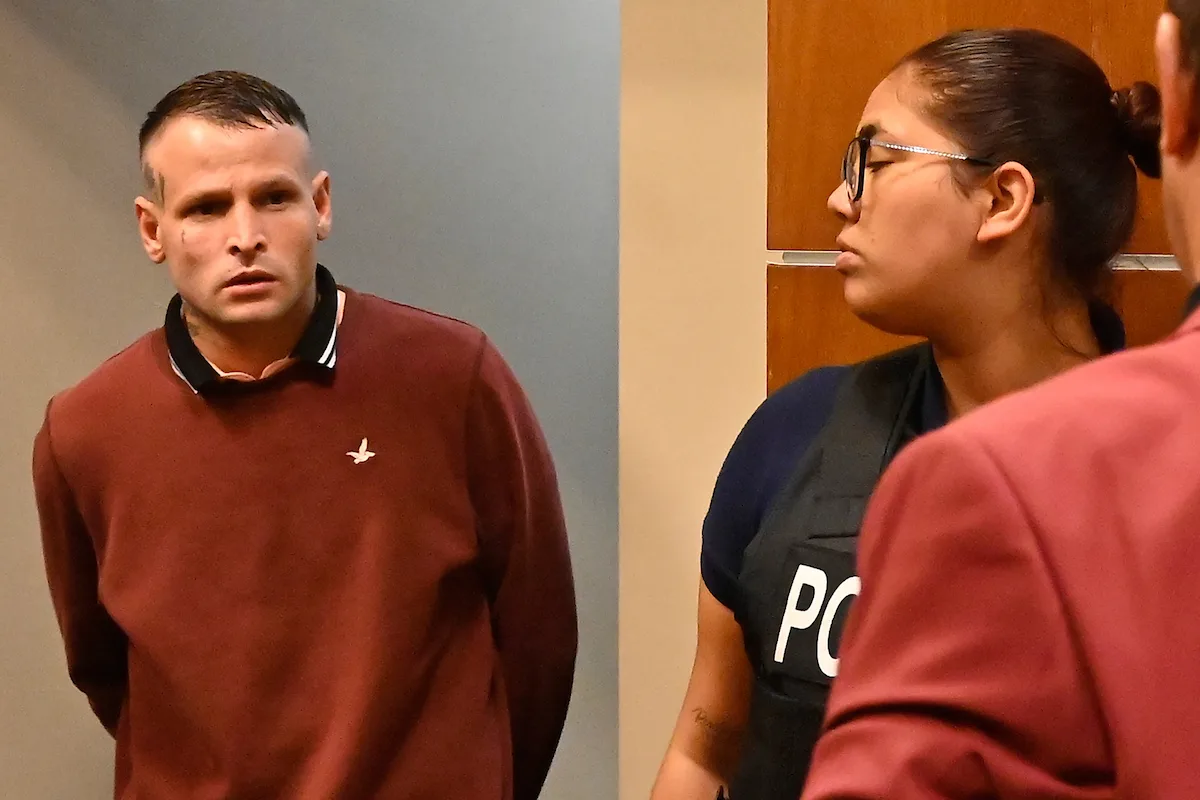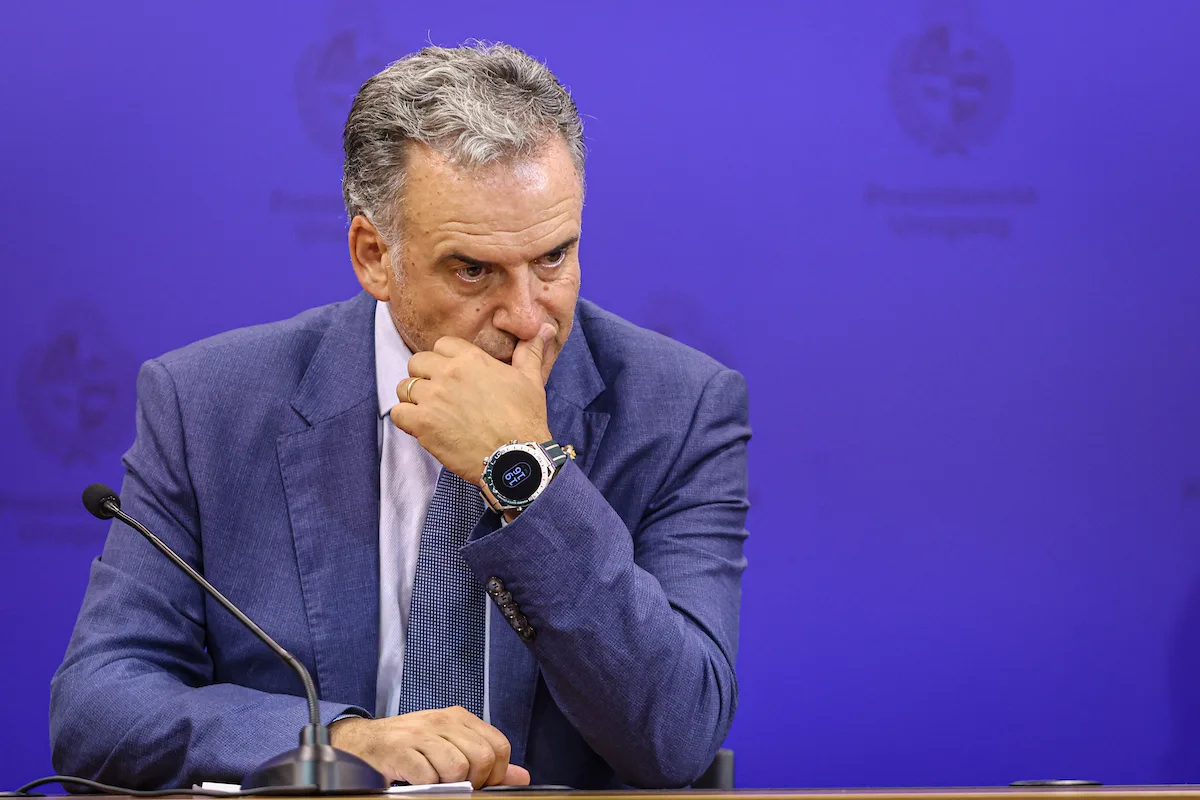
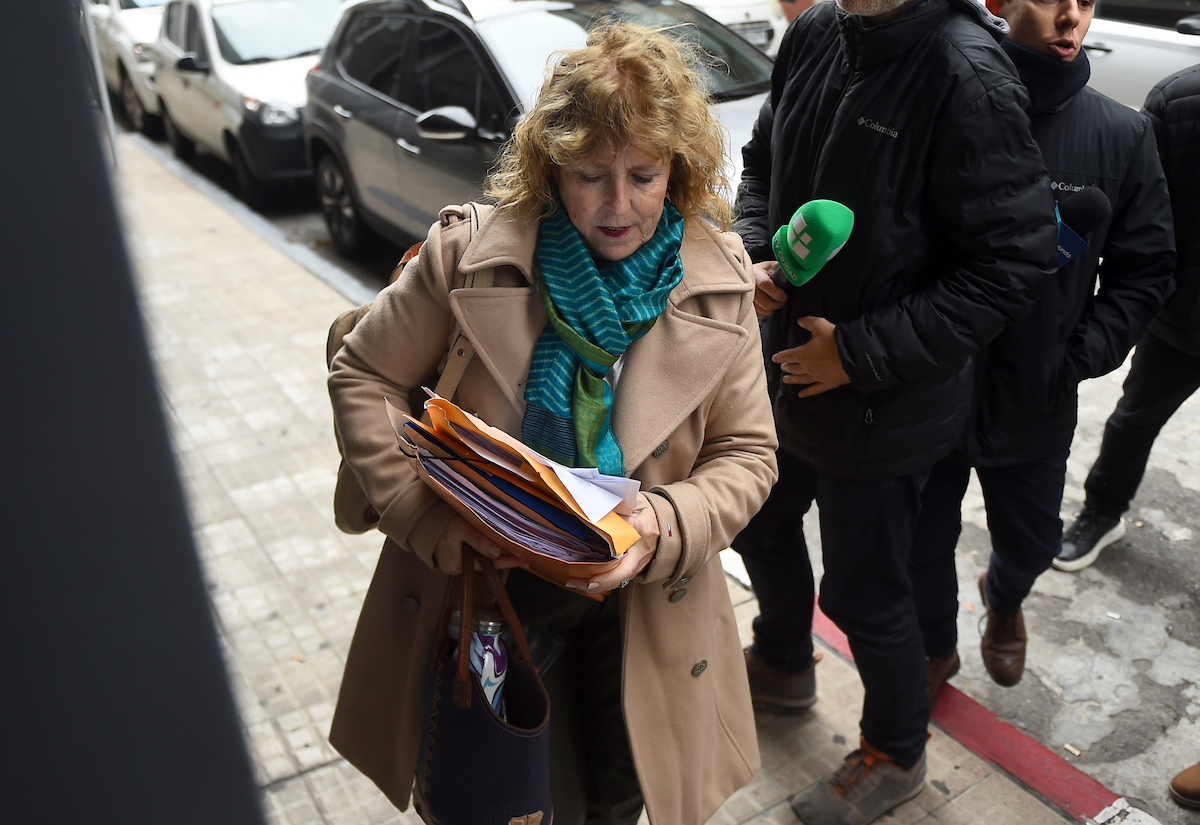


The judicial struggle that was waged in the Uruguayan courts regarding the actions of former prosecutor Alicia Ghione in the Penadés Case came to an end this Tuesday. Prosecutor Enrique Rodríguez, after thoroughly analyzing the file, ratified the decision of his colleague Gilberto Rodríguez and resolved to definitively file the complaint presented by the defense of former senator Gustavo Penadés.
It is a resolution that, in the corridors of the Prosecutor's Office, is read as a necessary closing of the chapter. The decision, having been reviewed and confirmed, acquires a character of irrevocability: there are no more legal instances to challenge it.
The tension of recent weeks, with defense attorneys—Laura Robatto and Homero Guerrero—desperately looking for cracks in the actions of the person who led the original investigation, dissipates with this ruling. The substitute judge Gabriela Azpiroz, who had enabled the reexamination of two specific points, finally saw how the system confirmed the integrity of the initial fiscal work within the framework of the Penadés Case.
Details of the Penadés case and the file of the complaint against Ghione
The first obstacle that justice decided to overcome was the investigation linked to Jonathan Mastropierro. Defense lawyers had argued that Ghione, having access to the young man's phones, should have reported the presence of child pornography material and failed to do so.
In the hallways of the courthouse, the discussion focused on whether a prosecutor can be held responsible for not detecting every file hidden in gigabytes of information. Prosecutor Enrique Rodríguez's conclusion was pragmatic: there is no evidence that Ghione had seen that material. Furthermore, the testimonies collected made it clear that this specific task was not part of their direct functions. The omission, through the prosecution's lens, simply did not occur.
The second aspect, perhaps the most technical and sensitive, involved the delivery of hard drives to police officer Federico Rodríguez, convicted for his role in the plot to try to save Penadés. Here, the question was whether the former prosecutor had violated the confidentiality of sensitive information by providing copies of cell phones.
The response from the prosecutor's office was forceful: the access that the police officer had was that which any defendant has in the context of a criminal case. Since it had investigative status, this material was part of its legal access environment. Ghione, according to the prosecutor, did not cross the red line of confidentiality.
A definitive closure after months of judicial crossings
For those who observe the development of the Penadés Case From the outside, the resolution seems to bring order to an investigation that had become a labyrinth of crossed accusations. What began as a process that shook the foundations of the Uruguayan political system has also been a scene of wear and tear for those who were in charge of the prosecution.
Now, with this file, the prosecution team headed by Isabel Ithurralde — who took the lead in the main file — can focus its energies without the constant noise of parallel complaints against the previous leader of the case.
Life in the courts continues at its pace, with files piling up on wooden tables and officials going back and forth between offices. However, for Alicia Ghione, the shadow of the criminal investigation has faded. In the Uruguayan judicial system, sentences and files have a weight that, as of today, is no longer a topic of public debate.
Subscribe to Uruguay Al Día
Receive the most important news directly in your email. Clear, independent and updated information every day.
Follow us on WhatsApp
Join our official channel and receive alerts, news and exclusive content from Uruguay Al Día.
🔔 Join the WhatsApp channel