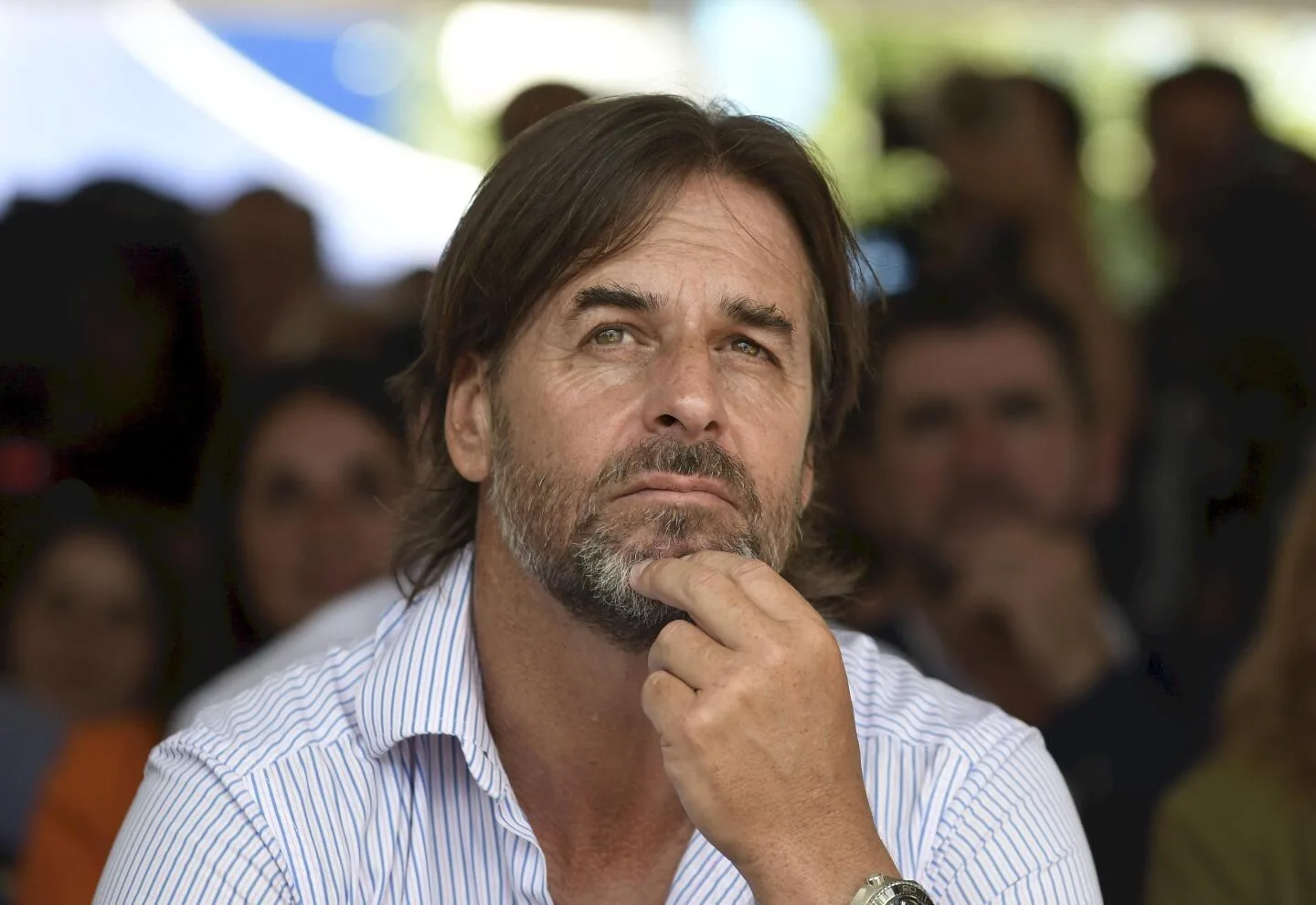

In a climate of maximum regional tension after the capture carried out by US forces, the former Uruguayan president Luis Lacalle Pou He broke his silence to reaffirm a position that he has maintained as a standard throughout his political career. Through a message loaded with firmness on social network X, Lacalle Pou appealed to “coherence” to define the situation of dictator Maduro, emphasizing that the fall of the regime is the consequence of years of oppression and persecution against the Venezuelan people. His speech, which quickly went viral, was a shot at elevation towards those sectors that, both in Uruguay and abroad, maintained a complicit ambiguity with Caracas.
"Consistency yesterday, today and tomorrow. Maduro is a dictator," stated the former president, recalling the episodes where he did not hesitate to confront the Chavista leader face to face in international forums. Lacalle Pou brought up the criticism he received in 2020 for not inviting authoritarian leaders to his inauguration, reaffirming that his vision of the dictator Maduro It hasn't changed one bit. For the leader of the National Party, the current outcome is the result of an international community that systematically failed to protect the human rights more elementary.
Lacalle Pou's criticism of the international silence about the dictator Maduro
The core of Lacalle Pou's message did not remain only in the label, but delved into the inaction of multilateral organizations. According to the former president, the capture of dictator Maduro It exposes the ineffectiveness of diplomatic means to stop a tyranny that was bleeding into power. “How long will a people be oppressed, persecuted, imprisoned?” he asked, launching a scathing criticism at those who preferred to “look to the side” while the regime consolidated its control through fear and institutionalized violence.
Although he was careful to clarify that he does not justify armed intervention per se, Lacalle Pou raised an ethical dilemma that shook the drowsiness of the Uruguayan diplomacy. By focusing on the longevity of the regime, he suggested that external inaction was what ended up validating a scenario where the only possible solution ended up being force. The end of dictator Maduro In his opinion, it opens a window of opportunity for “freedom to dawn,” a possibility that was closed for years by the stubbornness of a system that refused to abandon power despite obvious electoral defeats.
The legacy of the Uruguayan stance against the dictator Maduro
During his mandate, Lacalle Pou was one of the most critical voices on the continent, leading a current that sought to diplomatically isolate Caracas. Today, with the dictator Maduro in federal custody, his words resonate as a validation of that foreign policy that many called “ideologized. The former president insisted that the human rights They have no borders or political color, and that the treatment of the Venezuelan leader should always have been that of a state criminal and not that of a democratic peer.
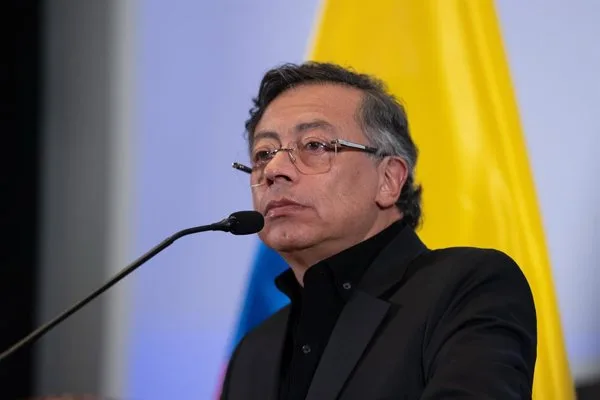
[Image showing Lacalle Pou speaking at a regional summit]
Lacalle Pou's reaction contrasts strongly with the caution of the current Yamandu Orsi government, which has opted for a more administrative tone and focused on the rejection of military intervention. For the former president, the focus should not be solely on the method of capture, but on the urgency of ending the suffering of millions of Venezuelans. The fall of dictator Maduro It represents, from their perspective, the failure of a coffee diplomacy that allowed a narco-military dictatorship to entrench itself in the heart of South America for so long.
Expectations of freedom after the fall of the dictator Maduro
The message concludes with cautious hope about the future of Venezuela. Lacalle Pou knows that the departure of dictator Maduro It is only the first step in a transition that will be extremely complex and painful. However, his insistence that “freedom can dawn” reflects the desire of a Uruguayan leadership that always saw in the Venezuelan crisis a mirror of what should not happen in a healthy democracy. Coherence, that value that Lacalle Pou claims for himself, now becomes the yardstick with which all political actors in Uruguay will be measured in the new scenario.
While Orsi's cabinet meets to analyze the steps to follow, Lacalle Pou's words have already marked the field of the public opinion. The capture of dictator Maduro It is not just a police or military incident in the Caribbean; It is a political earthquake that forces each Uruguayan leader to define which side of history they want to be on. With Maduro on his way to a court in New York, Lacalle Pou's question continues to float in the Montevideo air: how many more would have died or ended up in prison if the international community continued waiting for a gesture of will from someone who never had it?
To what extent can the insistence on state sovereignty be used as a valid excuse to ignore the cry for help of a people living under the boot of a tyranny?
Subscribe to Uruguay Al Día
Receive the most important news directly in your email. Clear, independent and updated information every day.
Follow us on WhatsApp
Join our official channel and receive alerts, news and exclusive content from Uruguay Al Día.
🔔 Join the WhatsApp channel