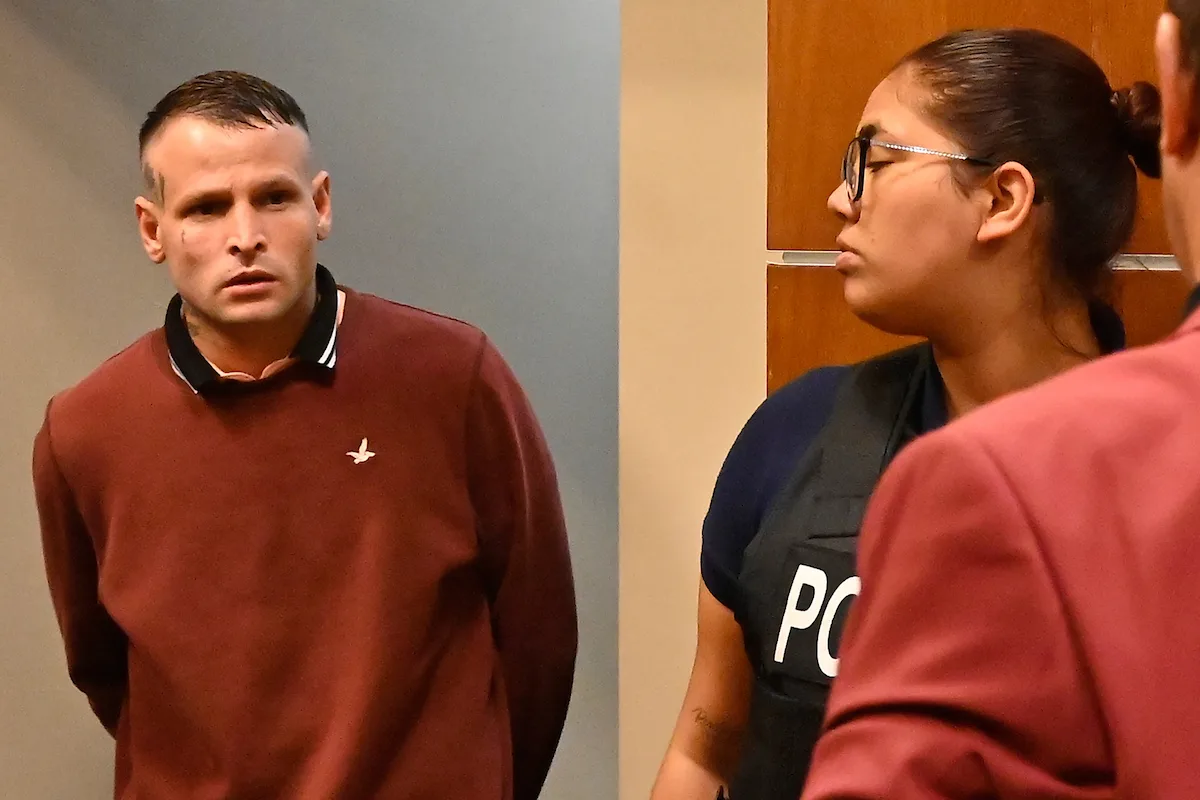



If anyone is looking for a perfect example of how our justice system works—or rather, how it fails—they need look no further. An individual under house arrest violated the measure 34 times. Thirty-four. In any country with a minimally effective system, the second or third time would have been enough to revoke the benefit. Here, we had to wait for him to shoot a man living in a tent in the face before someone finally decided to send him to prison.
The victim, a man in a situation of extreme vulnerability, paid the cost of the state's apathy with a wound to his face. Who is responsible for this guy being on the street during his 33 previous violations? Justice that looks the other way? The monitoring system that seems to be more of a suggestion than a control tool?
A message of constant impunity
The most frustrating thing about this case is the feeling that, for certain criminals, alternative measures are not an opportunity for reintegration, but rather an invitation to continue committing crimes. The subject knew perfectly well that house arrest was a blank check. Every time I went out, every time I ignored the bracelet or the control, I received an implicit message: “it's okay.”
This “revolving door” is not a metaphor; It is a reality that is experienced every day in our neighborhoods. While the victim struggles to recover from a gunshot to the face, society wonders how many more are on the streets under supposed surveillance regimes that monitor absolutely nothing.
The paralysis of the system
The technical argument about prison overpopulation or the rights of the accused usually appears quickly to justify the laxity of the measures. However, what about the rights of the person who lived in a tent and was shot? Justice seems to have lost its compass, prioritizing procedural comfort over the safety of the most helpless citizens.
It is not about asking for a savage punitive system, but about demanding a coherent system. If a person fails to comply with a court order 34 times, there is no other path than confinement. Tolerance of non-compliance is not an act of mercy; It is a negligence that ends up becoming a tragedy.
Until when?
The case explodes in the media today, but tomorrow there will be another. The outrage is ephemeral because the reality of repeat crime has become a landscape. What is really worrying is the silence of those responsible after these events. No one explains why the monitoring system did not trigger an effective arrest warrant much sooner.
This case should be the starting point for a thorough review of how we provide benefits and how we monitor compliance. Because as long as the State continues playing hide-and-seek with those who do not respect the rules, the victims will continue to appear in the headlines. And unfortunately, next time it could be any of us.
Subscribe to Uruguay Al Día
Receive the most important news directly in your email. Clear, independent and updated information every day.
Follow us on WhatsApp
Join our official channel and receive alerts, news and exclusive content from Uruguay Al Día.
🔔 Join the WhatsApp channel