
MADRID, 17 (EUROPA PRESS)
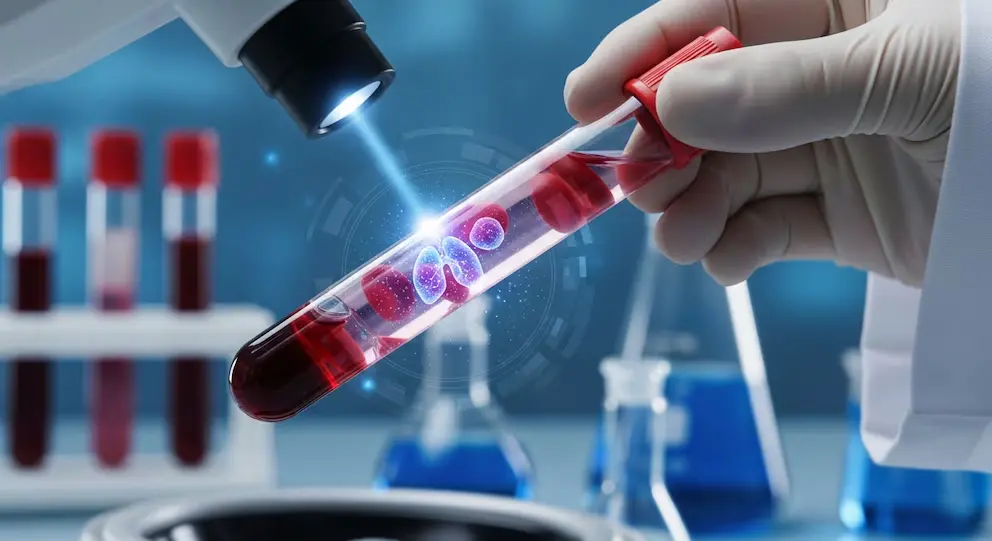
Researchers at the University of Michigan (UM, United States) have discovered in a study with mouse models that high levels of triglycerides, the most common type of fat in the body and in food, directly cause abdominal aortic aneurysms.
The results, published in Circulation, challenge the traditional belief that triglycerides are simply biomarkers of vascular diseases, demonstrating that they actually play a direct and pathogenic role in the development, growth and rupture of aneurysms.
Specifically, the team identified in the mice triglyceride-rich lipoproteins and proteins that regulate triglyceride metabolism, including APOC3 and ANGPTL3, as causal drivers of abdominal aortic aneurysm.
"We knew that hyperlipidemia is a risk factor for aortic aneurysm, but this multidimensional study points to hypertriglyceridemia (high levels of triglycerides) as an essential contributor to the development and growth, as well as dissection and rupture, of aortic aneurysms," explained co-senior author Eugene Chen, professor at the University of Michigan School of Medicine.
During the study, the scientists used three different mouse models of hypertriglyceridemia, with which they confirmed that the severity of the aneurysm depended on triglyceride levels. Thus, moderate increases in this fat accelerated aneurysm formation, while higher levels led to aortic dissection.
Along the same lines, mice with severely elevated triglyceride concentrations developed more severe complications consistent with aortic rupture.
THERAPEUTIC STRATEGY
Based on these results, the researchers hypothesized that controlling triglycerides could become a powerful therapeutic strategy.
After trying several treatments, they were successful with an experimental therapy with antisense oligonucleotides. The drug candidate targets the ANGPTL3 protein, secreted in the liver and which affects the breakdown of fats in the body.
The treatment dramatically reduced triglyceride levels by up to 50 percent and prevented aneurysm formation and dissection in multiple mouse models.
“This therapy has great potential as a treatment for abdominal aortic aneurysm, and our research lays the foundation for future clinical trials,” said co-senior author Yanhong Guo, research assistant professor of internal medicine at the UM School of Medicine and a member of the Frankel Cardiovascular Center at UM Health.
In conclusion, the authors have celebrated this key advance, which could represent a paradigm shift for vascular diseases such as abdominal aortic aneurysm, which currently have limited treatment options beyond surgical intervention.
Subscribe to Uruguay Al Día
Receive the most important news directly in your email. Clear, independent and updated information every day.
Follow us on WhatsApp
Join our official channel and receive alerts, news and exclusive content from Uruguay Al Día.
🔔 Join the WhatsApp channel