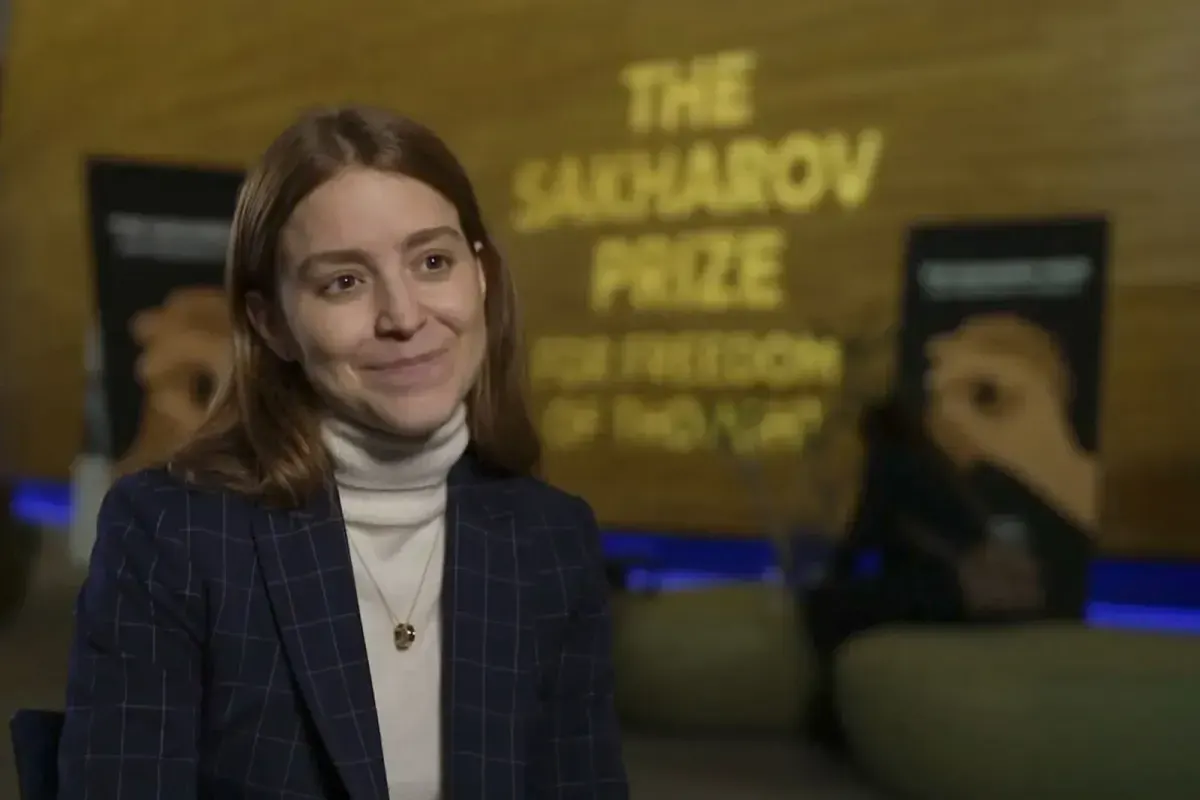


The Sakharov Prize for Freedom of Conscience, awarded by the European Parliament, recently highlighted the bravery of two imprisoned journalists: the Polish Andrzej Poczobut and the Georgian Mzia Amaglobeli. This award recognizes his commitment to press freedom in a context where in countries like Belarus and Georgia, human rights are constantly violated. The president of the European Parliament, Roberta Metsola, stressed that these journalists are behind bars simply for carrying out their reporting work and raising their voices against injustice. His story not only reflects the individual fight for freedom of expression, but also highlights the serious situation of imprisoned journalists in various parts of the world. This award seeks to provide strong support to the defense of human rights and press freedom that both Eastern European countries and the rest of the world need to preserve.
Recognition of the Sakharov Prize symbolizes the courage and resilience of those who fight for freedom of expression in adverse environments. This significant award emphasizes the need to support communicators and civil rights defenders who face repression by their governments. The situation of imprisoned journalists, like the case of Poczobut and Amaglobeli, resonates with the urgency of defending press freedom, especially in countries where judicial institutions are manipulated to silence critical voices. Recognizing the work of these individuals is essential to foster a freer and more democratic environment, not only in Belarus and Georgia, but globally. Thus, the Sakharov Prize stands as a beacon of hope and a call to action in the fight for universal human rights.
Recognition of freedom of the press
The European Parliament's recent decision to award the Sakharov Prize for Freedom of Conscience to Andrzej Poczobut and Mzia Amaglobeli underlines the growing concern about press freedom in Eastern Europe, especially in countries such as Belarus and Georgia. These cases exemplify not only the bravery of journalists who stand up to oppressive regimes, but also the urgent need for protection for those who practice independent journalism. In Belarus, Alexander Lukashenko's regime has been particularly ruthless in its quest to silence dissenting voices, turning many journalists into political prisoners simply for exercising their right to report and express legitimate criticism of the government.
In Georgia, the case of Mzia Amaglobeli is equally alarming. His prison sentence, charged with a misdemeanor during a peaceful protest, highlights how governments can manipulate justice to repress freedom of expression. Through this recognition, the European Parliament not only pays tribute to their courage, but also sends a clear message about the importance of press freedom as a fundamental pillar of a democratic society. By rewarding these journalists, the EU reaffirms its commitment to defending human rights and promoting an environment where information flows freely without fear of reprisals.
The impact of imprisoned journalists
The situation of imprisoned journalists, such as Andrzej Poczobut and Mzia Amaglobeli, reflects a much broader phenomenon encompassing the repression of press freedom globally. Many independent media outlets have been closed or faced severe restrictions, resulting in an information landscape plagued by censorship and self-censorship. In countries like Belarus and Georgia, pressure on the media has increased, putting at risk the right of citizens to receive truthful and objective information. The imprisonment of these journalists not only affects their lives, but also hinders the work of reporting on human rights violations and the fight for democracy.
Furthermore, the arrest of Poczobut and Amaglobeli has been a call to action for international organizations and human rights defenders. Their cases have highlighted the importance of solidarity in the fight for press freedom and have promoted greater visibility about the situation of the media in conflict regions. In this context, the Sakharov Prize becomes a symbol of hope and resistance, reminding everyone that a commitment to truly free journalism is vital to the fight against injustice and oppression.
It is essential that the international community continues to support journalists at risk and pressure authoritarian governments to respect human rights. Freedom of the press is not only essential for democracy, but it is also a fundamental right that must be defended around the world. As more eyes focus on Belarus and Georgia, accountability becomes imminent, and recognition of the brave work of these journalists may mark a turning point in the fight for freedom of expression.
The Sakharov Prize and its historical relevance
The Sakharov Prize for Freedom of Conscience, awarded by the European Parliament, not only honors individuals who have shown extraordinary courage, but also serves as a platform to amplify the voices of those who are silenced. By awarding figures such as Andrzej Poczobut and Mzia Amaglobeli, the European Parliament highlights the importance of defending human rights in contexts where press freedom is under threat. This recognition has a significant impact, not only raising awareness of their struggles, but also fostering a global dialogue on the need for freedom of expression.
Historically, the award has been awarded to individuals and organizations that have faced great adversity in the defense of human rights. The cases of Poczobut and Amaglobeli are part of this long tradition of resistance. With each edition, the Sakharov Prize reminds the international community that the fight for freedom and human rights is far from over. This year, by recognizing imprisoned journalists, the European Parliament evaluates the critical crisis of press freedom, inviting collective reflection on the role of the media in building more just societies.
Challenges to press freedom in Belarus
Belarus has for years been a flashpoint of repression against press freedom. Alexander Lukashenko's regime has increasingly imposed restrictions on the media, making journalists a target for persecution. The imprisonment of Andrzej Poczobut is a clear example of how the Belarusian government attempts to silence those who report the truth and expose corruption and abuse. Despite the extreme risks, many journalists remain committed to their work, facing repression with courage and determination.
The international community has raised its voice in support of these journalists, demanding their release and condemning the systematic violations of press freedom in Belarus. However, the challenge remains, as fear of retaliation can discourage others from taking an active role in journalism. It is crucial that international pressure does not cease and that spaces continue to be sought to promote independent journalism in the country, supporting the media that still dare to carry out their work.
Georgia and the return to democracy
Georgia has experienced a period of political tensions that have seriously affected press freedom. The imprisonment of Mzia Amaglobeli, in response to her activism and her work as a journalist, is testament to the dangers faced by those who seek to inform the public about the truth. The instrumentalization of the judicial system to repress dissent is a worrying reality that undermines the country's democratic foundations. In this context, the Sakharov Prize awarded to Amaglobeli offers hope and recognition to those fighting for a return to democratic practices.
As Georgia navigates its internal challenges, defending human rights and press freedom remains critical. The response of the international community is crucial; Support for independent journalists and media can strengthen the fight for democracy and help counter authoritarian tendencies. Democratic Europe must remain vigilant and united in its support of those like Mzia Amaglobeli, whose bravery is a beacon of resistance in times of adversity and repression.
Future perspectives for human rights
The arrests of journalists such as Andrzej Poczobut and Mzia Amaglobeli highlight the urgent need to strengthen human rights protection in Eastern Europe. The Sakharov Prize highlights the importance of providing visibility to these cases and encouraging collective action in defending press freedom. Looking ahead, it is essential that international institutions, governments and civil society collaborate to create environments in which journalists can operate without fear of reprisals. This could not only save lives, but also revitalize democracy in countries where freedom of expression is at risk.
Furthermore, continued support for imprisoned journalists is vital to fostering respect for human rights around the world. International visibility and support can play a critical role in freeing those who have been wrongly convicted and promoting a broader human rights discourse. In this fight, every voice counts, and collective effort can bring about significant changes in the way authoritarian regimes treat their critics, thereby strengthening the commitment to press freedom and the defense of human dignity everywhere.
Frequently asked questions
What is the Sakharov Prize and what importance does it have for imprisoned journalists?
The Sakharov Prize for Freedom of Conscience is a recognition granted by the European Parliament that highlights the work of defenders of human rights and freedom of the press. This award is crucial for imprisoned journalists, as it makes visible their fight for truth and freedom, as is the case of Andrzej Poczobut and Mzia Amaglobeli, whose arrests have been condemned by international organizations.
Who were recent Sakharov Prize winners related to Belarus and Georgia?
Recently, the Sakharov Prize was awarded to Andrzej Poczobut, a Polish journalist imprisoned in Belarus, and Mzia Amaglobeli, an imprisoned Georgian journalist. Its recognition highlights the violations of press freedom in these countries and the importance of protecting human rights.
How has the Sakharov Prize affected press freedom in Belarus and Georgia?
The Sakharov Prize has created an important impact on the discussion on press freedom in Belarus and Georgia. By awarding figures like Poczobut and Amaglobeli, a clear message is sent about the need to respect human rights and freedom of expression, encouraging more people to defend these principles in adverse contexts.
What implications does the Sakharov Prize have for the international community in relation to imprisoned journalists?
The Sakharov Prize acts as a powerful symbol of solidarity for imprisoned journalists. Recognizing their bravery, the international community is mobilizing in defense of press freedom, putting pressure on governments to respect human rights and liberalize those who have been unjustly imprisoned, as is the case in Belarus and Georgia.
How can the Sakharov Prize contribute to the human rights situation in Belarus and Georgia?
The Sakharov Prize potentially improves the human rights situation by shedding light on the injustices faced by journalists in Belarus and Georgia. Public recognition generates international pressure on these regimes to reform their repressive policies and release political prisoners, thus promoting greater press freedom in the region.
| Key point | Description |
|---|---|
| Sakharov Prize | Recognition by the European Parliament of freedom of expression and conscience. |
| Andrzej Poczobut | Polish journalist imprisoned in Belarus, he has been arrested multiple times for his work as a journalist critical of the regime. |
| Mzia Amaglobeli | Georgian journalist sentenced to two years in prison on protest-related charges, considered a victim of judicial abuse. |
| Political Supports | The joint candidacy received the support of right-wing groups in the European Parliament, surpassing other significant candidacies. |
| Delivery ceremony | The award will be presented in December during a plenary session in Strasbourg. |
| Recent History | The previous year, the prize was awarded to Venezuelan opposition leaders, reflecting the EU's commitment to freedom and democracy. |
Summary
The Sakharov Prize, awarded by the European Parliament, is a vital tribute to defenders of freedom of conscience. This year, two brave journalists are honored, Andrzej Poczobut and Mzia Amaglobeli, who face unjust imprisonment in Belarus and Georgia, respectively. With this recognition, the European Parliament not only highlights the need to protect press freedom, but also draws attention to the injustices that continue to occur in Eastern Europe. The fight for freedom of expression is crucial, and through awards like the Sakharov, a more just and free future is promoted.
Subscribe to Uruguay Al Día
Receive the most important news directly in your email. Clear, independent and updated information every day.
Follow us on WhatsApp
Join our official channel and receive alerts, news and exclusive content from Uruguay Al Día.
🔔 Join the WhatsApp channel