An alarming panorama for the Global South
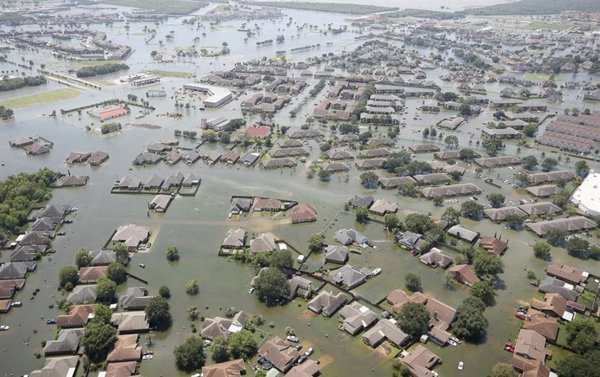
A recent study has revealed that more than 150 million buildings in the Global South are at risk due to rising sea levels. This situation represents a significant threat not only to infrastructure, but also to the lives of millions of people who live in these vulnerable areas. Researchers warn that if urgent action is not taken, the impact could be devastating for decades to come.
Data on sea level rise
According to the report published by Stanford University, sea level rise could reach up to 2.5 meters by the year 2100 if greenhouse gas emissions continue to increase at their current rate. This scenario would affect coastal cities in Africa, Asia and Latin America, where a large part of the population lives in low-lying and vulnerable areas.
Most affected areas
The areas that will suffer the most from this phenomenon include cities such as Dhaka in Bangladesh, Lagos in Nigeria and Miami in the United States. In these places, the combination of rapid urbanization and the lack of adequate infrastructure exacerbates the risk. In Dhaka, for example, it is estimated that more than 30% of the city could be under water in 30 years if the projections come true.
Impact on the population
The report highlights that, in addition to the loss of homes, rising sea levels will bring public health problems, shortages of drinking water and forced displacement of people. In countries where the economy is already fragile, the situation could become a humanitarian crisis. The United Nations has expressed concern about the impact that this situation will have on the Sustainable Development Goals, particularly in relation to poverty and food security.
Measures necessary to mitigate risk
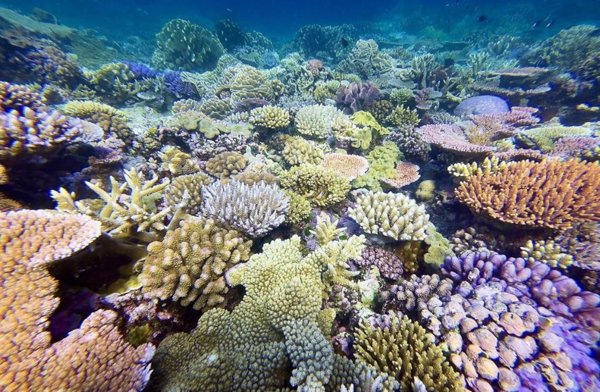
Experts point out that it is crucial to implement adaptation and mitigation policies to confront this crisis. This includes building resilient infrastructure, restoring coastal ecosystems such as mangroves and coral reefs, and urban planning that takes into account climate change. International cooperation is also essential, since many of these countries lack the necessary resources to carry out these measures.
The role of the international community
The international community has an essential role in creating a support framework for the most vulnerable countries. Initiatives such as the Paris Agreement seek to establish commitments that reduce emissions globally, but it is necessary that developed countries also assume responsibility for financing adaptation projects in developing nations. Climate finance is a key tool that can make a difference in these countries' ability to meet the challenge of rising sea levels.
Conclusions and uncertain future
The Stanford study is a wake-up call about the urgency of acting on climate change and its effects in the Global South. As sea levels continue to rise, the vulnerability of millions of people increases. It is essential that both governments and civil society become aware of the magnitude of the problem and work together to find sustainable solutions that protect the most affected communities.
Final thoughts
As the world faces an unprecedented climate crisis, the need for action becomes increasingly pressing. The rise in sea level is not only an environmental problem, but also a social and economic problem, which requires a comprehensive and supportive approach. Collective action and political will will be decisive in guaranteeing a safer future for all.
Leave your comment
To comment you must be registered and logged in.
Comments (0)
There are no comments yet.