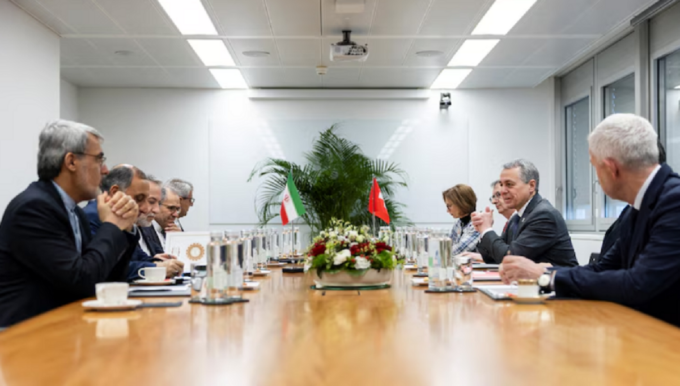

Global diplomacy has entered a phase of high tension. The recent “Islamabad Memorandum” is not just a document of good intentions; It is an ultimatum disguised as a road map. With 14 points ranging from uranium enrichment to access for international inspectors, the agreement establishes a 60-day window that will define whether Iran chooses the path of global integration or total isolation.
For the negotiators in the corridors of the Pakistani capital, the mood is not one of optimism, but of stark realism. Time is running out and positions, historically immovable, are now facing an economic and political reality that leaves little room for error.
The 14 points: a viable path or a utopia?
Although the full content of the memorandum is maintained under strict confidentiality protocols, the drafts that have emerged make it clear that the core of the problem remains the same: inspection capacity. The text requires a supervision system that allows the IAEA (International Atomic Energy Agency) to have eyes on Iranian facilities 24 hours a day.
Iran, for its part, conditions its acceptance on the lifting of specific sanctions that have suffocated its economy in recent years. It is a zero-sum game where each technical concession has a very high political price. The 14 points are not just technical; They are the map of a negotiation where each word has been measured so as not to hurt the sovereignty of the parties involved.

A period of 60 days: the countdown
The most striking thing about the agreement is the time limit. Sixty days is a breeze in international bureaucracy. This restriction has a clear objective: to prevent negotiations from dragging on while Tehran continues to advance its technical capacity. It is a bold bet on the part of the mediators, who seek to force a political decision before the situation reaches the point of no return.
Distrust is the dominant feeling in the region. Meanwhile, in the power centers of Washington and Brussels, intelligence analysts are watching every move. The question in the air is not whether Iran will accept the 14 points, but whether it has the political will to comply with them under increasing external pressure.
The consequences of failure
If the agreement is not finalized within the two-month period, the consequences are unpredictable. There is talk of a new round of even more severe sanctions, and even the cessation of high-level diplomatic communications. The possibility of a military escalation, although it is attempted to be avoided at all costs, is beginning to appear in the speeches of the most hawkish sectors on both sides of the conflict.
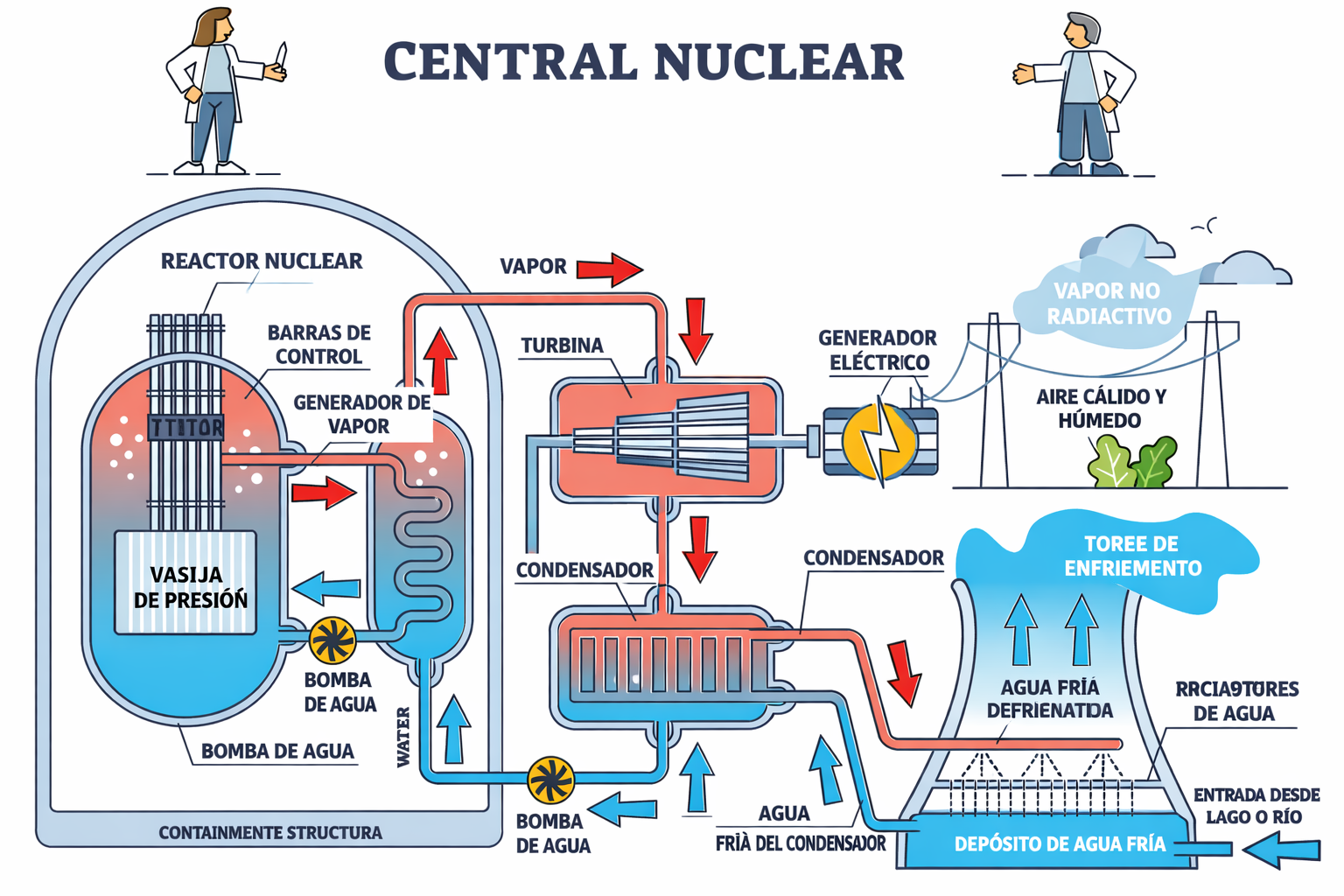
This memorandum is, in essence, the last great opportunity for diplomacy. The next 60 days will not only test the negotiating skills of diplomats in Islamabad, but will dictate regional security in the Middle East for the next decade. The world watches attentively, knowing that, in this game, the chips are not just pieces of paper, but global stability.
Subscribe to Uruguay Al Día
Receive the most important news directly in your email. Clear, independent and updated information every day.
Follow us on WhatsApp
Join our official channel and receive alerts, news and exclusive content from Uruguay Al Día.
🔔 Join the WhatsApp channel