

Dialogue between Iran and Russia amid international tensions
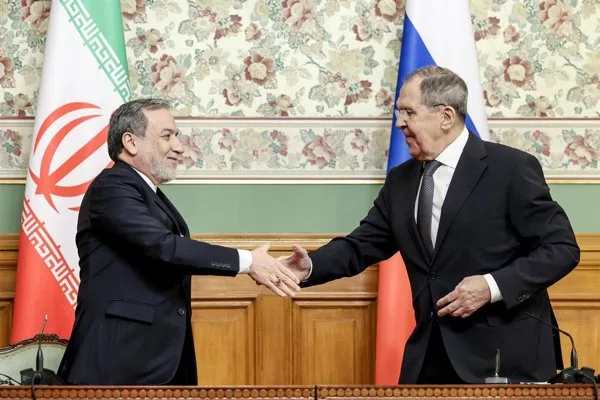
Iran's Foreign Minister, Abbas Araqchi, held a telephone conversation this Saturday with his Russian counterpart, Sergei Lavrov, in which they discussed efforts to achieve a "complete cessation" of hostilities between Iran, the United States and Israel. This dialogue takes place in a delicate context, after the conflict that broke out on February 28 and is currently under a fragile ceasefire.
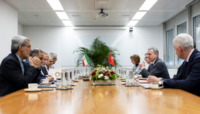
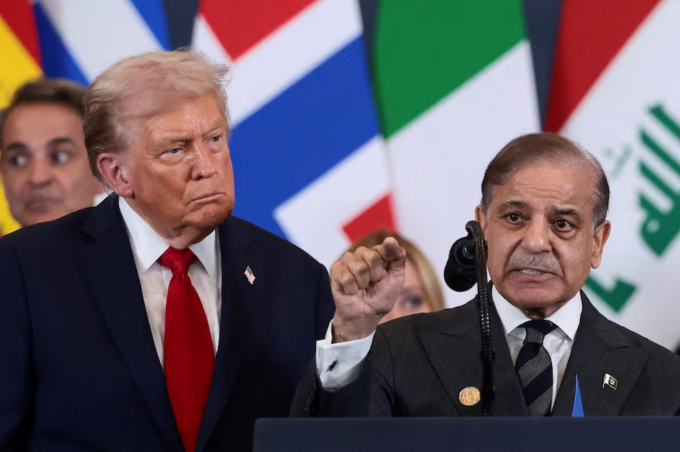
Araqchi and Lavrov discussed the events that have taken place since the Iranian diplomat's visit to Moscow on April 27. The negotiations between Washington and Tehran are not carried out directly, but are mediated by Pakistan, a detail that highlights the complexity of the situation.
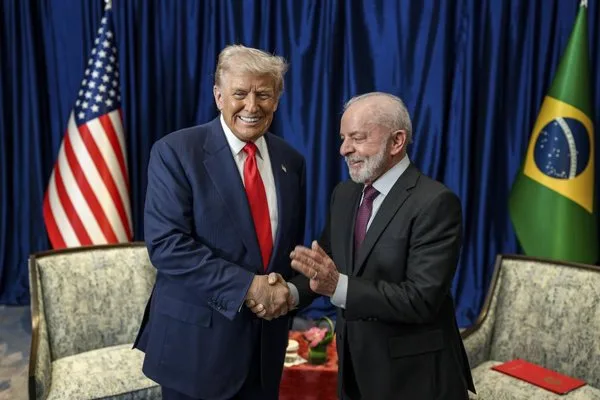
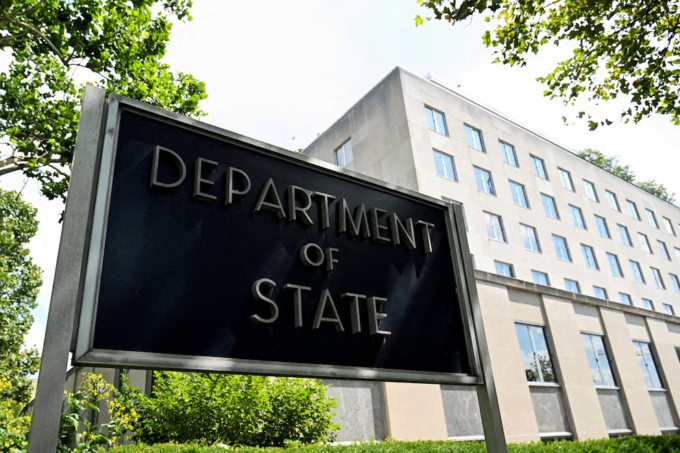
In the United States, President Donald Trump expressed his discontent with the latest proposals that Iran has presented. However, he was forced to notify Congress about the suspension of US military operations, thus complying with the regulations that require reporting to the legislative chamber 60 days after the start of an armed conflict. If not, Congress would have had to give explicit approval to continue military actions.
The Kremlin reported that Araqchi and Lavrov held a “detailed exchange of views” on the prospects for a complete cessation of hostilities and stabilization of the military and political situation in the Middle East. This type of dialogue becomes crucial at a time when tensions in the region are palpable and affect the civilian population.
The talks also covered highly relevant topics, such as the blockade of the Strait of Hormuz, where Iran maintains internal control and the United States exerts pressure on the perimeter. This strait is vital for oil transit and any alteration in its operation can have global repercussions.
In addition, possible solutions were discussed regarding the Iranian nuclear program, which Washington seeks to dismantle through its diplomatic and military offensive. The nuclear program situation is a flashpoint in international relations, and any progress in negotiations could have a significant impact on the stability of the region.
Both parties reaffirmed their commitment to make all necessary efforts to facilitate a political and diplomatic process that allows for reaching lasting agreements. These types of statements, although positive, should be viewed with caution, given the history of tensions and conflicts in the area.
The political context in the region is complex, with multiple actors involved and a history of confrontations that make peace building difficult. The ordinary population follows these events closely, aware that any escalation of violence could have repercussions on their daily lives.
The repercussions of this conflict not only affect the countries directly involved, but also have an impact on the global economy, especially the oil market. The uncertainty surrounding the Strait of Hormuz, through which approximately 20% of the world's oil transits, generates concern among analysts and the governments of various nations.
In this framework, the dialogue between Iran and Russia is presented as an opportunity to seek peaceful solutions, although the path to stability is uncertain. The international community is closely watching diplomatic movements, hoping that significant progress will be made to mitigate tensions.
The talks between Araqchi and Lavrov are just one chapter in a much broader story, where geopolitical interests, alliances and rivalries play a fundamental role. The situation remains volatile, and any decision can trigger chain reactions that affect the region and beyond.
The conflict in the Middle East is a recurring issue on the international agenda, and the search for a lasting ceasefire is an objective that many countries pursue. However, mistrust between the parties and the complexity of the interests at stake make it difficult to reach an agreement.
The international community remains attentive to developments in this situation, hoping that dialogue and diplomacy will prevail over confrontation. Recent history has shown that military solutions are often short-lived and that lasting peace is only achieved through negotiation and mutual understanding.
In this context, the future of relations between Iran, the United States and Israel remains uncertain, and the search for balance in the region continues to be a challenge for world leaders. Attention now focuses on the next diplomatic actions and how the negotiations will develop in the coming days.
The Strait of Hormuz remains a critical point in current geopolitics.
Subscribe to Uruguay Al Día
Receive the most important news directly in your email. Clear, independent and updated information every day.
Follow us on WhatsApp
Join our official channel and receive alerts, news and exclusive content from Uruguay Al Día.
🔔 Join the WhatsApp channel