
The appearance of the Minister of Health, Cristina Lustemberg, before Parliament did not clear the smoke; on the contrary, it seems to have thickened it. The case of the anesthetist Inés Miralles, convicted of manslaughter, is no longer just a judicial file about medical negligence with a fatal outcome. It has become a textbook political crisis, where the ministerial management came under scrutiny after a decision that, for many, is inexplicable: the reduction from five to three years in the doctor's professional disqualification.
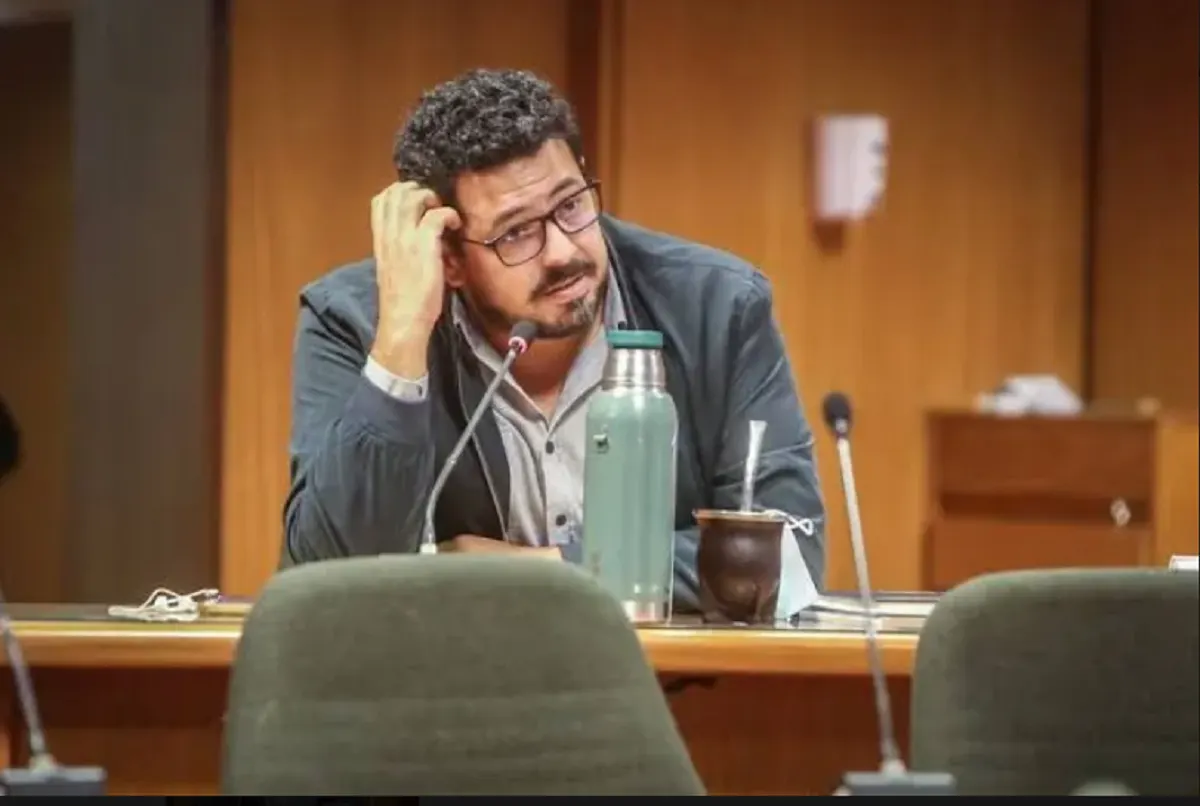
From the opposition benches, the feeling is one of absolute confusion. In the corridors of the Legislative Palace, it is said that the minister's defense failed to articulate a technical argument that would convince those present. Legislator Lema was blunt after the session: “There is a loss of trust.” And it is not just a phrase made for the tribune; It is the reflection of a break in the relationship between the Ministry of Health and the actors who observe compliance with ethical standards in medicine.
The resignation that marked a before and after
It is not common for a key technical commission to resign en bloc. When the majority of the members of the Honorary Public Health Commission stepped aside after the ministerial resolution, the message was clear: they were not willing to endorse a criterion that contradicted what they considered a fair and proportional sanction. That scene, the one with the empty desks and the withdrawn signatures, was the true thermometer of the unrest.
Meanwhile, in the everyday sphere, patients wonder why sentences were relaxed for someone who, through an abbreviated process, admitted to having committed a crime that ended a person's life. The perception of justice “for a few” was established in the conversations in the medical corridors and in social media groups where the case is followed step by step.
A political miscalculation
Lustemberg's strategy of appearing in Parliament sought, in theory, to put a cold shoulder. But the result was the opposite. The explanations about the reasons for the reduction of the sanction did not seem to penetrate even his closest political allies. In politics, when explanations raise more questions than certainties, the terrain becomes swampy.
The opposition took advantage of the confusion. Each contradiction detected between the minister's decisions and the pre-established norms was marked as a turning point. To the outside observer, the situation feels like a chess game where the Ministry has lost several key pieces and is now trying to maintain the position with arguments that, in view of the results, seem to be exhausted.
What is played now?
The crisis of confidence is not a minor detail. Public health depends, ultimately, on the credibility of its authorities. If the citizen feels that the rules of the game can change depending on the desk where the resolution is signed, the control architecture falters. The damage to the image of the Ministry, and in particular to the figure of its head, seems profound.
Will Lustemberg be able to regain control of the situation or will the Miralles case be the anchor that finally sinks his management? For now, Parliament will continue to be the scene of this fight. Meanwhile, outside, the family of the patient, Soledad Barrera, continues to hope that the institutions work not only in the files, but in the ethics that should govern all medical practice in Uruguay.
Subscribe to Uruguay Al Día
Receive the most important news directly in your email. Clear, independent and updated information every day.
Follow us on WhatsApp
Join our official channel and receive alerts, news and exclusive content from Uruguay Al Día.
🔔 Join the WhatsApp channel