


Adulterated Milanese generate outrage after bromatological control at an Argentine fair
A routine food hygiene control carried out at a fair in the Argentine interior led to an episode as unusual as it was worrying: the detection of adulterated Milanese, elaborated nothing less than with toilet paper and cardboard instead of meat. The inspection, carried out by the local food science department, culminated in the immediate closure of the food stand and the total confiscation of the merchandise.
The procedure was carried out as part of the usual monitoring carried out at fairs and open gastronomic spaces. What seemed like just another day of technical verification became a case that attracted regional attention due to the level of adulteration detected. According to local authorities, the merchant offered Milanese ready for sale, but the product did not contain any type of animal protein.
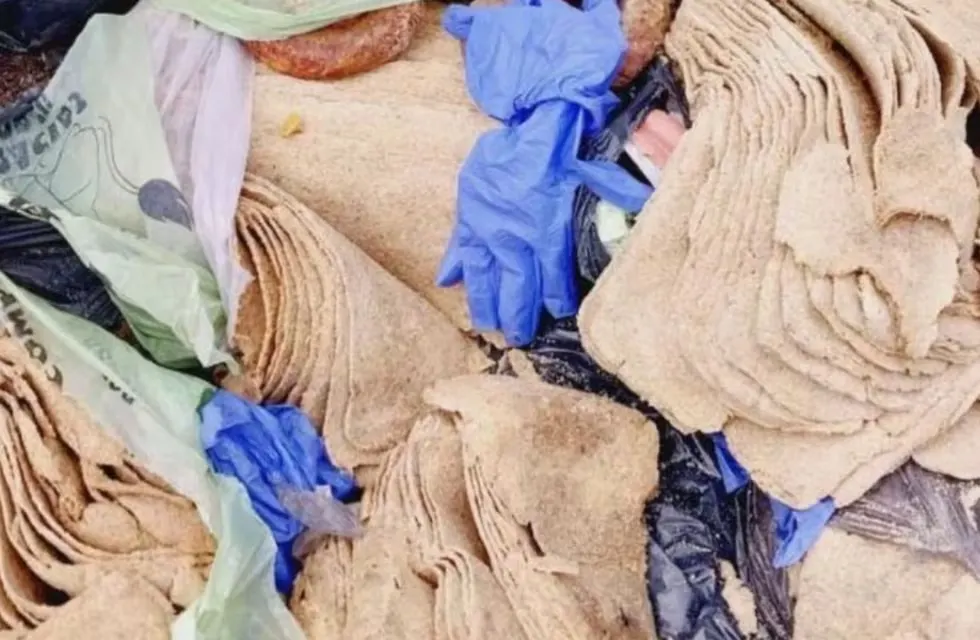
The confirmation came after a visual and tactile review carried out by food science technicians, who detected irregularities in the texture and weight of the product. When disassembling some pieces, they found that they were made up of layers of compacted toilet paper and cardboard, covered with breadcrumbs and seasonings to imitate the appearance of a conventional Milanese.
Closure and confiscation after the discovery of adulterated Milanese
The operation concluded with the immediate closure of the gastronomic cart and the seizure of nine packages of adulterated products. For the authorities, the discovery of adulterated Milanese represented an obvious risk to public health, which is why not only the retention of merchandise, but also its total destruction.
The municipal Misdemeanor judge ordered the complete eviction of the position and issued a perpetual disqualification from operating in city fairs. These types of sanctions are applied when food adulteration is considered serious, deliberate and potentially harmful to consumers. In this case, the conditions were fully met.
The offending business had set up its stall during the fair as a quick sale of homemade meals. However, preliminary investigation suggests that the preparation of these Milanese was not only fraudulent, but was also carried out without any type of formal health authorization.
What were the adulterated Milanese made of?
The most striking revelation of the case has to do with the composition of the seized product. The adulterated Milanese They were made with materials completely unrelated to human consumption: toilet paper and cardboard. Both materials had been pressed by hand and then molded to resemble a piece of meat.
Subsequently, a layer of breadcrumbs and spices was applied with the intention of simulating the color, aroma and texture of a traditional Milanese. According to the inspectors, the deception was designed to not raise suspicions at first glance, but the structure of the product revealed adulteration at the slightest contact.
Food authorities pointed out that this type of food fraud not only represents a commercial deception, but can also lead to health complications, from gastrointestinal infections to allergic reactions due to the presence of materials not suitable for human consumption.
Criminal complaint for the preparation and sale of adulterated Milanese
After the administrative intervention, an infraction report was drawn up and gave way to a criminal complaint against the person responsible for the position. The case could lead to charges for crimes linked to the public health, since the preparation and offering of adulterated Milanese It constitutes a practice that can cause physical harm to those who consume it.
Investigators are trying to determine if the merchant was acting alone or if there was a supply network that mass-produced the products. The discovery of multiple packages led to the assumption that it was not an isolated production. It will also be investigated whether these items had been previously marketed at the same fair or in other locations.
Argentine legislation provides for penalties that include fines, prolonged closures and even prison for those who produce and distribute adulterated food. The severity of the case lies in the nature of the components used, totally unrelated to current food regulations.
Reactions after the scandal of the adulterated Milanese
The episode generated stupor among the local stallholders and concern among regular consumers. The presence of adulterated Milanese in an apparently regular position, he questioned the controls implemented and reinforced the need for constant inspections.
The food inspectors stressed that the detection was achieved thanks to a routine control and highlighted the importance of maintaining active supervision schemes, especially at fairs where vendor rotation is frequent.
They also stressed that handling food in unauthorized conditions significantly increases the health risks. In this sense, emphasis was placed on promoting purchases at authorized stands and verifying the origin of the products.
The episode, in addition to its unusual nature, reopen the debate about informality in mobile gastronomic circuits and the need to maintain control mechanisms that avoid similar situations. How many cases of food fraud could be detected if controls were intensified throughout the country?
Subscribe to Uruguay Al Día
Receive the most important news directly in your email. Clear, independent and updated information every day.
Follow us on WhatsApp
Join our official channel and receive alerts, news and exclusive content from Uruguay Al Día.
🔔 Join the WhatsApp channel