


The furor for the 2026 World Cup is felt on every corner. However, there is a digital phenomenon that is capturing the attention of football fans: the creation of personalized figurines using artificial intelligence.
Gemini, Google's AI tool, has revolutionized the way we experience the tournament preview. Instead of just exchanging cards of famous players, users can now star in their own stickers.
The fever of personalized figurines
Technology never ceases to amaze. Users from all over the world have begun to flood the networks with their own versions of figurines, thanks to the powerful update of Nano Banana, Gemini's image engine.
With just a couple of steps, anyone can become a national team player, wearing their country's jersey with a design that evokes classic Panini albums.
On social networks, the trend has become a viral phenomenon. Hashtags like #MiFigurita2026 and #GeminiMundial have taken on a life of their own, driving a new wave of creativity and digital participation.
How Gemini works to create your figurine
The process is simple but fascinating. First, a well-lit selfie is required. Then, an image of a real figurine of a footballer. Both are uploaded to the Gemini platform.
The next step is to write a prompt, a specific instruction that will guide the AI to replace the player's face with that of the user, without altering their facial characteristics.
Personal details such as name, date of birth and team can be added to give it a more authentic touch.
In the comfort of their homes, users can see their own faces appear on the bodies of their sports idols, an experience that mixes the excitement of sport with the magic of technology.
Social and cultural impact of the phenomenon
In the neighborhoods, talks about the World Cup have taken on a new nuance. In cafes and squares, people compare their virtual figurines, creating a new form of social connection.
This trend has also generated an increase in the use of AI platforms for other recreational purposes, such as customizing avatars in video games or creating cultural memes.
For many, these personalized figurines are more than just images. They represent a way of feeling part of something bigger, of experiencing the World Cup in a unique and personal way.
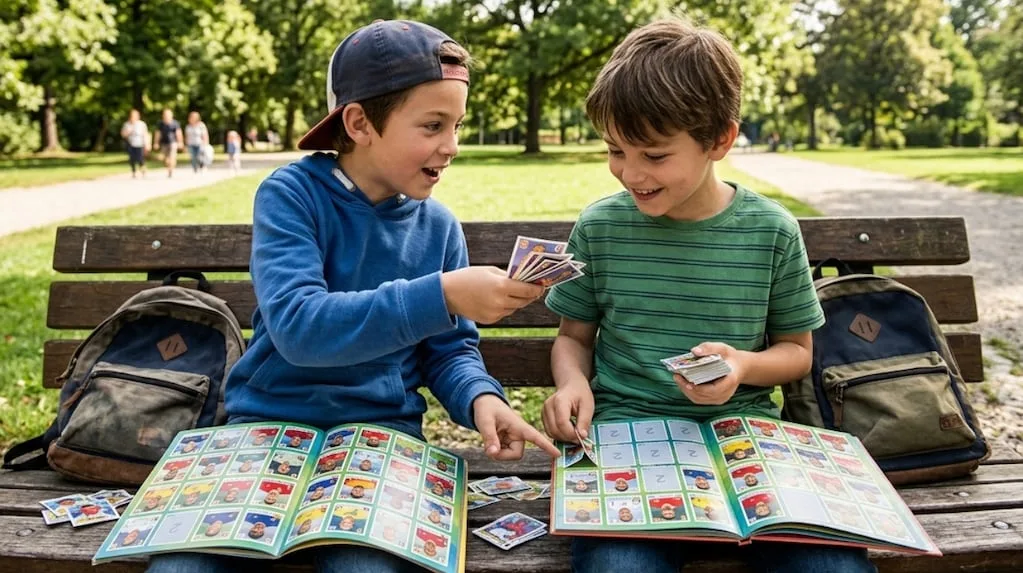
In schools, children share their digital creations, using them as business cards at recess. The excitement multiplies when they discover that they can be part of football history, even if it is virtually.
Consequences of the digital boom
The impact of this technology goes beyond the playful. Some experts warn of the potential for misinformation, as AI tools can be used for less benign purposes.
However, in the context of the World Cup, the phenomenon has remained largely in the realm of entertainment, providing a new layer of fun to the most anticipated sporting event of the year.
In classrooms, teachers have begun to use the figurines as an educational tool, incorporating them into projects that combine football history with cutting-edge technology.
The use of AI in this area has opened debates about ethics and authenticity in the digital age, questioning the extent to which technology should intervene in traditions as deep-rooted as figurine collecting.
The emotional connection behind collecting
For many, collecting figurines is a ritual passed down from generation to generation. With each sticker, stories of exchange are woven, of searching for the lost sticker.
Now, with the ability to personalize the figurines, this tradition takes on a new dimension, allowing fans to feel closer to their sports heroes.
Gemini has not only opened up new possibilities for collecting, but has also sparked reflection on how technology can enrich traditional experiences.
World Cup fever has gone digital, and the creation of personalized figurines is at the center of this transformation. As the ball rolls in stadiums around the world, thousands of fans celebrate their own presence in the tournament, even if it is in the form of a digital card.
In neighborhood clubs, the integration of these technologies has been received with enthusiasm. Some coaches have begun to motivate their youth teams by giving them personalized figurines in recognition of their achievements on the field.
The emotional impact of seeing your face on a sticker has inspired many young people to dream big, reinforcing their passion for the sport and their desire to reach the professional level.
Ultimately, the fusion of tradition and technology has created a unique experience for football fans, allowing each one to leave their personal mark on the legacy of the 2026 World Cup.
Subscribe to Uruguay Al Día
Receive the most important news directly in your email. Clear, independent and updated information every day.
Follow us on WhatsApp
Join our official channel and receive alerts, news and exclusive content from Uruguay Al Día.
🔔 Join the WhatsApp channel