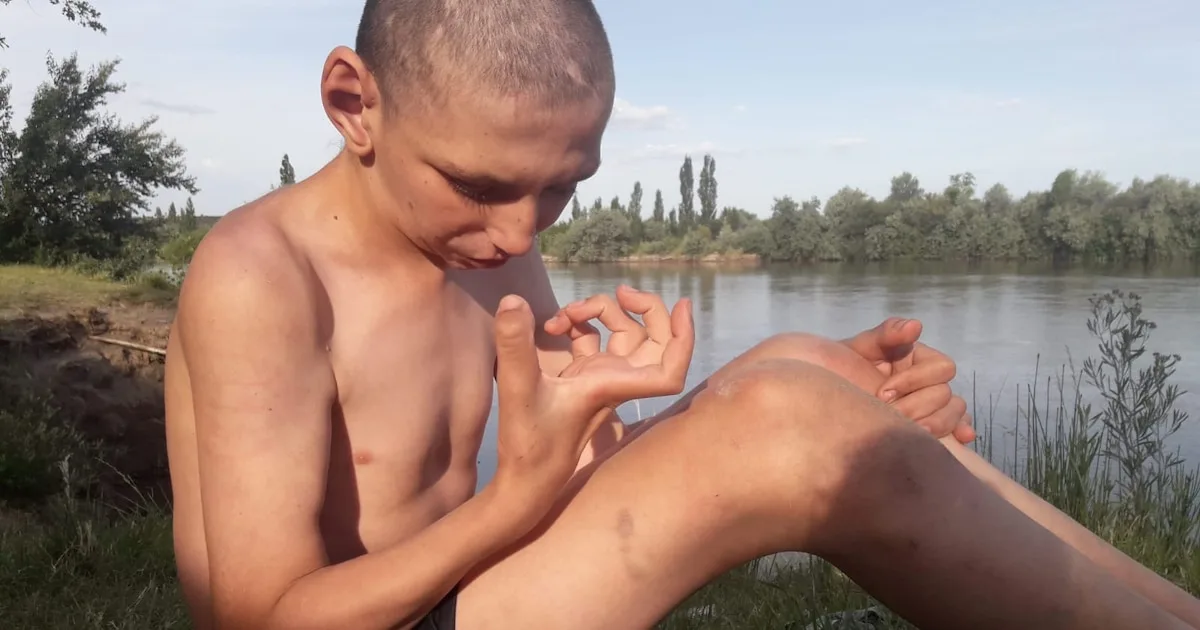

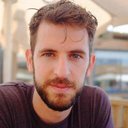
In the town of Río Colorado in Argentina, Yamir Ruppel's family goes through a reality that challenges the limits of medicine and human resistance. What began as an unusual birth a little over two decades ago transformed into a daily battle against Weaver syndrome, an extremely rare genetic pathology that affects bone and neurological development, and that today keeps the 21-year-old young man in a situation of extreme vulnerability.
Soledad Ruppel, her mother, says that the signs of an atypical pregnancy appeared late. After a pregnancy that seemed normal until the sixth month, accelerated abdominal growth set off alarm bells. Yamir came into the world prematurely at eight months, but weighing an astonishing 4,300 kilograms, even exceeding the physical capacity of the health center's standard incubators.
Weaver syndrome: Unstoppable growth and its consequences
The definitive diagnosis did not come easily. It was only at the age of two that specialists confirmed that Yamir suffered from this condition, which affects approximately one in every 15,000 people in the world. This disorder caused him to grow at a rapid rate during his childhood, reaching peaks of up to six centimeters per month, which resulted in a current height of around two meters and thirty centimeters.
However, this enormous bone development was not accompanied by the strengthening of his muscles and tendons. As a direct consequence, Yamir has lost his mobility and has been bedridden for more than a year. At the cognitive and speech level, the impact is equally profound: the young man communicates with only three basic words, although his mother assures that his ability to understand remains intact and that they have managed to establish effective communication codes at home.

The state vacuum after coming of age
One of the most critical points of this story lies in the cessation of therapeutic assistance once Yamir turned 18 and finished his time at the special education school. Upon graduating from the educational system, vital services such as kinesiology and psychomotor skills were interrupted, which accelerated their physical and cognitive deterioration.
Currently, the Ruppel family depends on the solidarity of the Río Colorado community to face the high costs of their care. The immediate urgency is the acquisition of specialized equipment, specifically a hospital crane that will allow Yamir to be moved safely. The lack of a continuous state support network for patients with rare diseases as they enter adulthood leaves families like Soledad's in a state of helplessness that only love and community resilience can barely mitigate.
Subscribe to Uruguay Al Día
Receive the most important news directly in your email. Clear, independent and updated information every day.
Follow us on WhatsApp
Join our official channel and receive alerts, news and exclusive content from Uruguay Al Día.
🔔 Join the WhatsApp channel