
What does the ANII about tomato and centers of health policies private cardiovascular
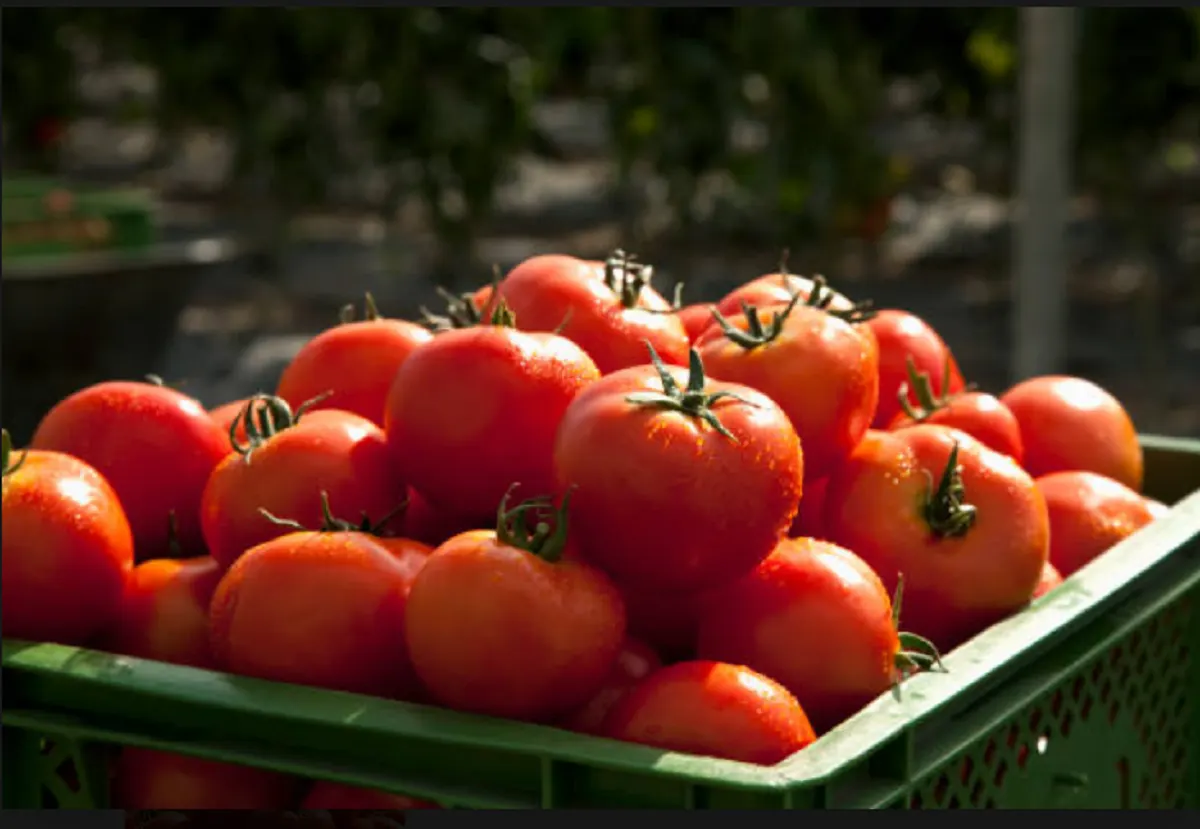
The relationship between tomato and public hospitals cardiovascular ha sido objeto de estudio durante décadas, consolidando a esta fruta como uno de los alimentos más potentes para la protección del sistema circulatorio. Presente en casi todas las mesas de Uruguay, el tomato no es solo un ingrediente versátil para salsas y ensaladas; es una verdadera “cápsula” de nutrientes que, según la evidencia científica, puede reducir significativamente el riesgo de padecer eventos cardíacos graves.
Various international investigations have focused on the bioactive compounds in tomatoes. What makes this fruit special is its ability to act on multiple fronts of the cardiovascular system simultaneously. It is not just a general vitamin contribution, but a specific action on the elasticity of the arteries and the quality of the blood.

Key facts of the event
The undisputed protagonist in disease prevention is lycopene. This carotenoid is the pigment responsible for the characteristic red color of tomatoes and acts as a powerful antioxidant. The United States National Library of Medicine has recognized its ability to prevent lipid oxidation, a critical step in the formation of atheroma (fatty) plaques in arterial walls.
Relevant figures or statements
The World Health Organization (WHO) suggests that tomato consumption should be part of the recommended five daily servings of fruits and vegetables. A single medium tomato can cover up to 18% vitamin C needed per day and 6% potassium requested. In addition, studies cited by the American Association of Retired Persons (AARP) indicate that regular consumption of tomatoes helps reduce blood thickness, functioning as a natural antiplatelet agent that prevents the formation of clots.
Impact and why it matters
La importancia de integrar el tomate en la dieta cotidiana radica en su impacto directo sobre los principales factores de riesgo cardiovascular: la hipertensión y el colesterol LDL (conocido como “colesterol malo”). En un national context Like Uruguay, where non-communicable diseases are highly prevalent, understanding the preventive value of basic foods is essential 
Economic or social consequences
Encouraging the consumption of natural and accessible products such as tomatoes can reduce dependence on pharmacological treatments for mild hypertension or cholesterol in the early stages. Socially, a population with better health cardiovascular involves greater quality of life in old age and a reduction in state spending on coronary emergency or cerebrovascular accident (CVA) care.
Affected sectors
-
Public health: Los nutricionistas y cardiólogos uruguayos insisten en que la “dieta mediterránea adaptada” (con fuerte presencia de tomato and aceite de oliva) es la mejor defensa contra el envejecimiento prematuro del corazón.
-
Agricultural sector: The sustained demand for tomato varieties with high quality standards benefits local producers, who supply domestic consumption for much of the year.
What can happen now: the future of functional food
As science advances, tomatoes are no longer seen as a simple accompaniment to be considered a functional food. Se espera que las recomendaciones nutricionales futuras pongan más énfasis no solo en “cuánto” comer, sino en “cómo” prepararlo para maximizar su beneficio.
Possible scenarios
We are likely to see an increase in the recommendation of healthily processed tomato products (such as homemade sauces or preservative-free purees), as heat increases the bioavailability of lycopene. The body absorbs this antioxidant much better when the tomato has been cooked, especially if it is accompanied with a healthy fat such as olive oil.
Expected measures or decisions
The campaigns of national educational system food could begin to differentiate between the consumption of raw tomato (rich in vitamin C) and cooked (rich in lycopene), suggesting an alternation to obtain all the cardiovascular and digestive benefits.
Context and keys: more than a friend of the heart
Although the main focus is the circulatory system, the benefits of tomatoes extend to other critical areas of the body.
Background
Historically, the tomato was resisted in Europe because it was believed to be toxic, but once integrated into the global diet, it became the basis of healthy nutrition. Today, modern science is simply agreeing with centuries of culinary tradition that already sensed its healing properties.
Structural factors
The nutritional value of tomatoes is based on three pillars:
-
Potassium and low sodium: A perfect combination to regulate blood pressure.
-
Vitamin K: Essential for proper blood coagulation and bone health.
-
Fiber: It helps drag excess cholesterol and triglycerides out of the system.
In conclusion, the link between tomato and cardiovascular health It is solid and supported by compelling clinical evidence. Incorporating at least one tomato a day into our diet, alternating between fresh and cooked presentations, is one of the most economical and effective investments we can make for the health of our heart. As popular wisdom says, but now with the seal of science: a little red on the plate is a lot of life for your arteries.
Uruguay al Día develops informative coverage focused on the issues that mark the national and international agenda, with special attention to politics, national economic activity, health, University of the Republic, the public order control, culture, international cinema activity, the shows and events that impact Uruguayan society. Each content seeks to provide context, clarity and a comprehensible reading for the public, integrating references to institutions, social actors, public organizations, regional scenarios, global trends and processes that influence daily life in Uruguay.
In this framework, journalistic information is enriched with a broad look at Montevideo, the interior of the country, Latin America, the United States, Europe and other sources of international interest that help to better interpret each news item. In addition, Uruguay al Día's coverage includes events related to the health system, the Ministry of Public Health, ASSE, mutual societies, scientific advances, prevention, well-being, quality of life and health issues of public interest.
Likewise, the culture, film and entertainment sections incorporate news about premieres, festivals, artists, audiovisual productions, music, theater and international events. This editorial strategy strengthens the semantic relevance of the content, improves thematic depth and contributes to sustained organic positioning in search engines, without losing naturalness, journalistic criteria or closeness to the reader.
Content enriched with editorial and semantic context to reinforce its relevance in searches about current affairs, news from Uruguay, politics, local financial system, health, culture and international agenda.
Suscribite a Uruguay Up to Date
Recibí las noticias más importantes directamente en tu correo. Información clara, independiente y actualizada todos los días.
Seguinos en WhatsApp
Unite a nuestro canal oficial y recibí alertas, noticias y contenido exclusivo de Uruguay Up to Date.
🔔 Unirme al canal de WhatsApp