

Military intervention in the Gulf of Oman
The United States Army has confirmed that, in an operation carried out in the Gulf of Oman, its forces have “disabled” an Iranian-flagged oil tanker that was trying to sail towards a port in Iran. This event occurs within the framework of the blockade imposed by Washington in the Strait of Hormuz, one of the most strategic maritime routes in the world.
According to the statement from the United States Central Command (CENTCOM), the vessel, identified as the “M/T Hasna”, was detected while transiting in international waters. US forces issued multiple warnings to the ship, informing it of the blockade violation. However, despite repeated warnings, the tanker continued on its course.
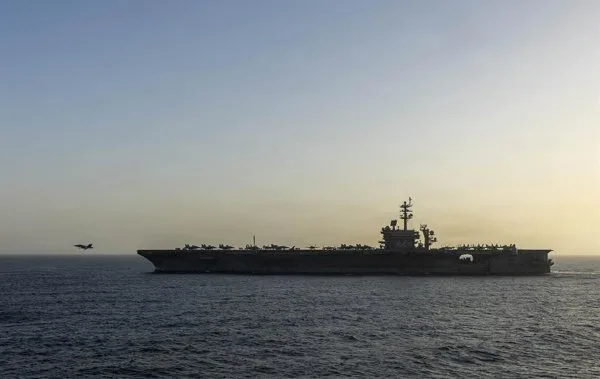
Faced with this situation, the US forces decided to act. Several projectiles were fired from the aircraft carrier “USS Abraham Lincoln,” which disabled the rudder of the “Hasna.” According to the Army, the vessel is no longer in transit to Iran.
The US blockade against ships attempting to enter or leave Iranian ports remains in place. CENTCOM authorities have stated that they will continue to act deliberately and professionally to ensure compliance with this measure.
Regional context and diplomatic tensions
This incident is framed in a context of growing tensions between the United States and Iran. The Iranian authorities had announced on April 17 that they were lifting traffic restrictions in the area, following the confirmation of a temporary ceasefire in Lebanon. However, this decision was quickly reversed after President Donald Trump stated that US forces would maintain their blockade of Iranian ports.
Trump, in a subsequent statement, announced the extension of the ceasefire reached on April 8, following mediation by Pakistan. However, the president insisted that the blockade would remain in place. This situation has generated a climate of mistrust in the region, and the assault and seizure of Iranian ships has been one of the reasons that Tehran has given for not participating in negotiations in Islamabad, arguing that these actions constitute a violation of the ceasefire.
Tensions in the Strait of Hormuz are a recurring issue in international politics, given that this route is crucial for the transportation of oil. Approximately 20% of the world's oil transits this route, making it a nerve center for the global economy. The United States' actions in the region have come under criticism and raised concerns about a possible escalation of the conflict.
The “M/T Hasna” is not the first Iranian ship to face problems in this area. In recent years, there have been multiple incidents involving the detention of vessels and the imposition of sanctions by the United States. The situation has led Iran to adopt a more aggressive stance in defending its maritime interests.
The Iranian authorities have expressed their rejection of the US actions, considering them a violation of their sovereignty. The government in Tehran has warned that it will respond to any aggression at sea, raising the possibility of open conflict in the region.
In this context, the international community is closely watching developments in the Gulf of Oman. The possibility of a direct confrontation between US and Iranian forces is an issue that worries many analysts. The region remains a powder keg, where any spark could trigger a crisis of greater proportions.
The blockade and military actions in the Gulf of Oman are part of a broader US strategy to contain Iran's influence in the region. This strategy has been the subject of debate in the political sphere, both in the United States and in other countries. The repercussions of these decisions are felt not only in the military sphere, but also in the economic and diplomatic sphere.
Tensions in the Strait of Hormuz continue to be a hot topic on the international agenda. The current situation reflects the complexity of relations between the United States and Iran, as well as the impact that these tensions have on maritime security and global trade.
The “M/T Hasna” has been deactivated and is no longer heading towards Iran.
Subscribe to Uruguay Al Día
Receive the most important news directly in your email. Clear, independent and updated information every day.
Follow us on WhatsApp
Join our official channel and receive alerts, news and exclusive content from Uruguay Al Día.
🔔 Join the WhatsApp channel