
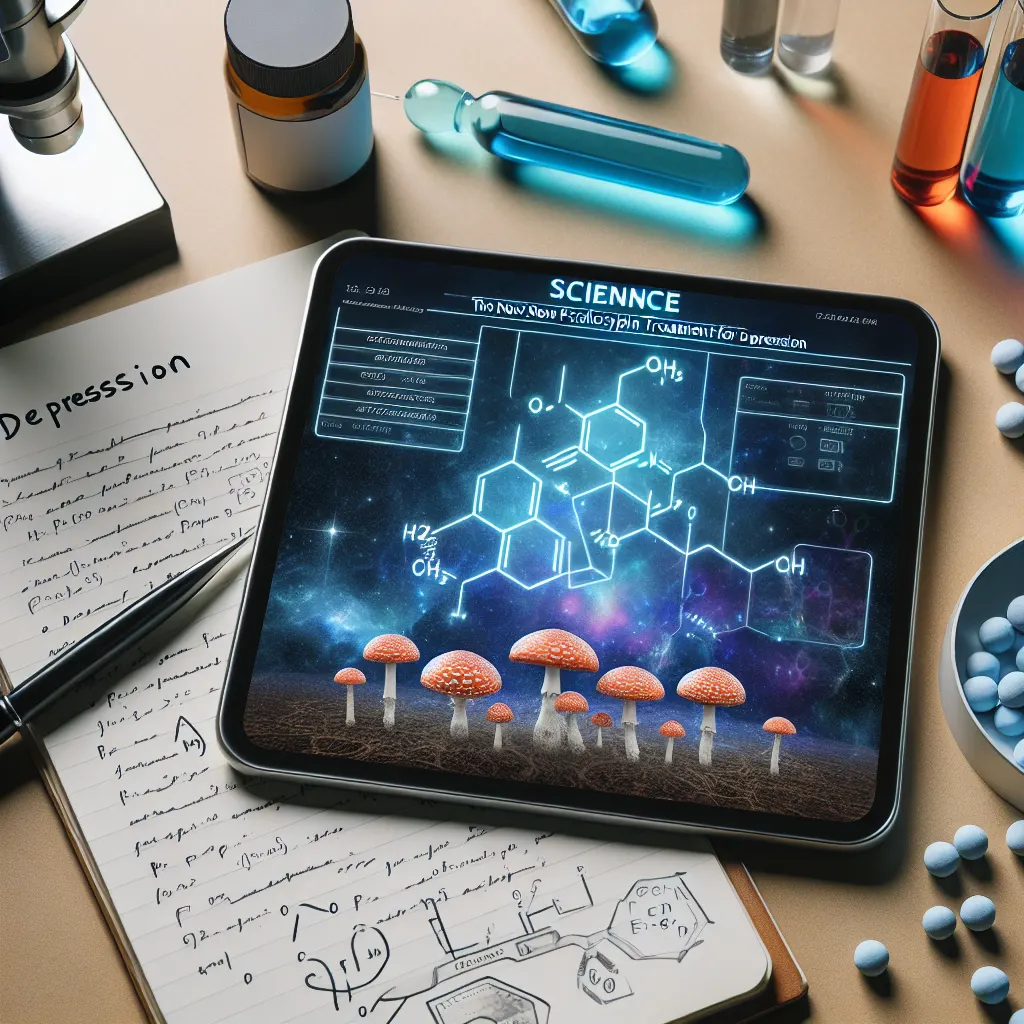
A Journey Through the Mind
Psilocybin, extracted from certain mushrooms, has captured the attention of the scientific community. Various studies have shown that it can provoke profound experiences that alter the way patients perceive their problems. According to research conducted by New York University, psilocybin can help disconnect neural circuits that perpetuate sadness and hopelessness. This is especially relevant for those who have not found relief in conventional treatments.
Psilocybin-assisted therapy sessions require a controlled and professional environment. Inside this laboratory, patients are guided by trained therapists, who accompany them on a journey that can be so revealing as disconcerting. During these meetings, we seek to open a door to introspection and personal healing.
A Biological Link
The Science behind psilocybin lies in its ability to interact with serotonin receptors in the brain. This neurotransmitter, known as the “happiness molecule,” plays a crucial role in regulating mood. In people suffering from depression, serotonin levels are often low or dysregulated. With psilocybin, researchers They have seen an increase in their activity, which could be the key to deactivating negative thought patterns.
Additionally, psilocybin use causes significant neuroplasticity, a term that describes the brain's ability to adapt and form new connections. This is essential for those facing mental disorders, as it allows you to reconfigure the way you process emotions and deal with painful memories.
Results that speak for themselves
The results of clinical trials have been encouraging. In a recent study conducted at Johns Hopkins University Hospital, more than 70% of patients with resistant depression reported significant improvements after receiving a controlled dose of psilocybin. This finding has sparked renewed interest in substance-assisted psychotherapy, generating debates about its legalization and regulation.
In Uruguay, the debate has already begun. Mental health groups and non-governmental organizations advocate for a more flexible approach to the use of these compounds, while others are skeptical. Psilocybin could be the path to a new era of mental health treatments, but institutional and social resistance remains a major obstacle.
The Patient Experience
The testimonies of those who have experienced psilocybin therapy are shocking. One of them, Juan, a 32-year-old young man who struggled with depression for more than a decade, tells how his life changed after his first session. "It was like opening a window in my mind. I was able to see my problems from another perspective," he says with a smile that reflects new hope.
Juan's experience is not unique. Many patients after the sessions, they report a sense of connection with themselves and the world around them. This emotional reconnection can be the first step toward meaningful recovery. However, not everything is rosy; there are those face difficult times during the experience, which underlines the importance of professional support.
A Promising Future
As research progresses, new doors are opening toward understanding psilocybin and other similar compounds. Just around the corner, there could be more accessible and effective treatments for those suffering from mental illness. However, the scientific community warns that there is still a long way to go.
The legalization of psilocybin for therapeutic use could radically transform the landscape of mental health in Uruguay. Despite the progress, it is crucial to approach the issue seriously and responsibly. Proper regulation and education are essential for ensure this powerful compound is used safely and effectively.
Data that Resonates
In the last year, more than 2,000 people in United States participated in clinical trials with psilocybin, and the results have been so promising that some cities have begun to decriminalize its use. In the Uruguayan context, the number of people suffering from depression is alarming, with 20% of the population affected at some point in their lives. This data leads us to question how we can take advantage of tools like psilocybin to transform mental health in the country.
Leave your comment
To comment you must be registered and logged in.
Comments (0)
There are no comments yet.