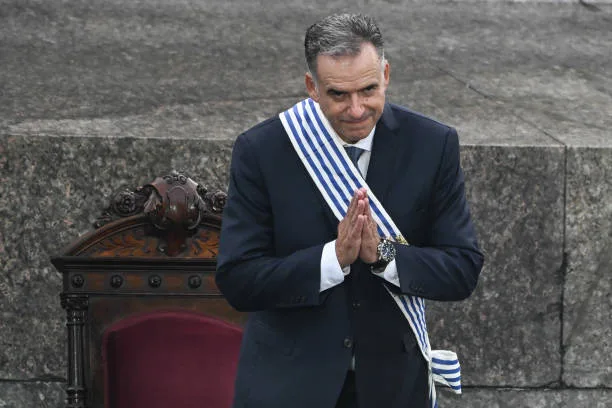

There is a different air in the corridors of the Legislative Palace and in the coffee conversations of the Old City. It is no longer just the murmur of the opposition, but a statistical reality that hurts: according to the latest measurement by Cifra, presented this Wednesday, Yamandú Orsi's management has been left on the ropes. A 65% disapproval rate is a figure that, in Uruguayan politics, is usually a point of no return if the course is not radically changed.
Mariana Pomiés, director of the consulting firm, was surgical when describing the moment: "The president is not in a good moment." He said it with the calm of someone analyzing numbers, but the background is much more volcanic. The last few months were not a walk in the park, they were an accumulation of errors that, added together, built a wall of distrust that is difficult to climb.

The truck episode: the straw that broke the camel's back
It is impossible to talk about these numbers without remembering the history of the famous Hyundai Santa Fe truck. That vehicle, involved in a transaction that to the common eye—and to that of the average citizen—sounded like privilege and opacity, ended up being a heavy anchor for the president's image. Seeing the president try to explain a complex financial operation while the rest of the people struggle with the cost of living is a postcard that ends up fracturing the bond with the voter.
"We cannot say that the data is only for the truck," Pomiés said, but we all understand the message. It was the symptom. It was the moment when Orsi's perception of closeness evaporated, replaced by that of a disconnected ruler.
A desert of sympathy
If we filter the survey by party, the scenario is almost bleak for the administration. In the ranks of the coalition, the rejection borders on unanimity: 94% disapproval. But the most disturbing fact for Orsi is not there, it is in his own house. Only 41% of Frente Amplio voters approve of what he is doing. When a leader loses the support of his own platform, the message has been lost along the way.
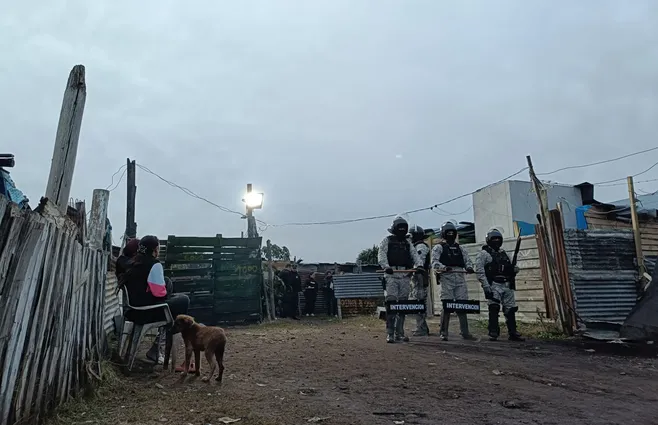
Meanwhile, on the corners of Montevideo, people discuss the government's other big bet: the deployment of Army vehicles in the neighborhoods. Orsi's response to criticism has been a staunch defense based on the fact that "the decision has been made." That firmness, which in another context would seem like authority, today is read as political deafness. It is not a question of image, as he said, it is a question of results. And, so far, the results are in the red.
Is there a way back?
The president has a minefield ahead of him. Pomiés suggests that reversing this trend is possible, but requires political gymnastics that have not been seen so far. There is a clear diagnosis: the government is not managing the crises well. Every time a fire appears, instead of putting it out, it seems that more fuel is added to it.
If popularity is the politician's capital, Orsi is technically bankrupt. With 52% of general antipathy, the question that begins to hover in the air is whether the president has the capacity for self-criticism necessary to give a change of direction before the administration becomes a slow agony. Time is short, people's patience is running out and the numbers, which never lie, have already issued their verdict.
Subscribe to Uruguay Al Día
Receive the most important news directly in your email. Clear, independent and updated information every day.
Follow us on WhatsApp
Join our official channel and receive alerts, news and exclusive content from Uruguay Al Día.
🔔 Join the WhatsApp channel