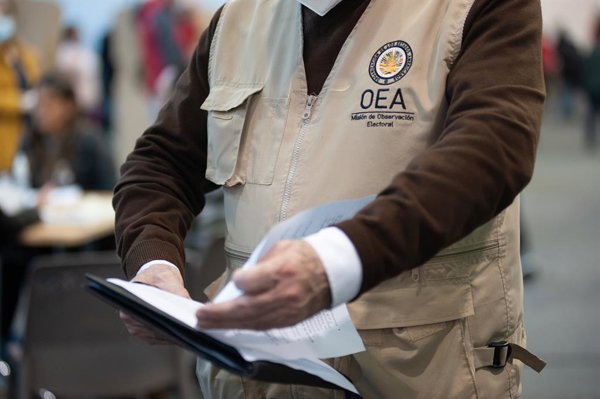

Colombian elections: a process under scrutiny
The Colombian elections have been the subject of international attention in recent years, and the last electoral contest has been no exception. The Organization of American States (OAS) has highlighted professionalism in the electoral process, which has generated an interesting debate in the South American country. This statement comes at a time when the presidential candidate, Gustavo Petro, has expressed his discontent with the electoral process, which has generated a climate of uncertainty in the country.

The OAS, in its capacity as an international observer, has been present in the Colombian elections to guarantee the transparency and integrity of the process. The organization has highlighted the professionalism of electoral officials and citizens in general, which has allowed the elections to take place peacefully and without major incidents. However, Petro's complaints against the electoral process have generated a climate of tension in the country, and have called into question the legitimacy of the elections.
The historical context of the Colombian elections
Colombian elections have been the subject of international scrutiny in recent years, due to the complex political and social situation in the country. The recent history of Colombia has been marked by violence and political instability, which has generated a climate of distrust among citizens. However, in recent years, the country has experienced a transition process towards democracy, which has allowed elections to take place in a more transparent and peaceful manner.
The election of the current president, Iván Duque, in 2018, marked a turning point in the political history of Colombia. Duque, a conservative politician, won the elections with a program based on security and the economy. However, his government has been marked by controversy and opposition, which has generated a climate of polarization in the country. The current elections have been seen as an opportunity for citizens to express their discontent with the current government and seek a change in the direction of the country.
Petro's complaints against the electoral process
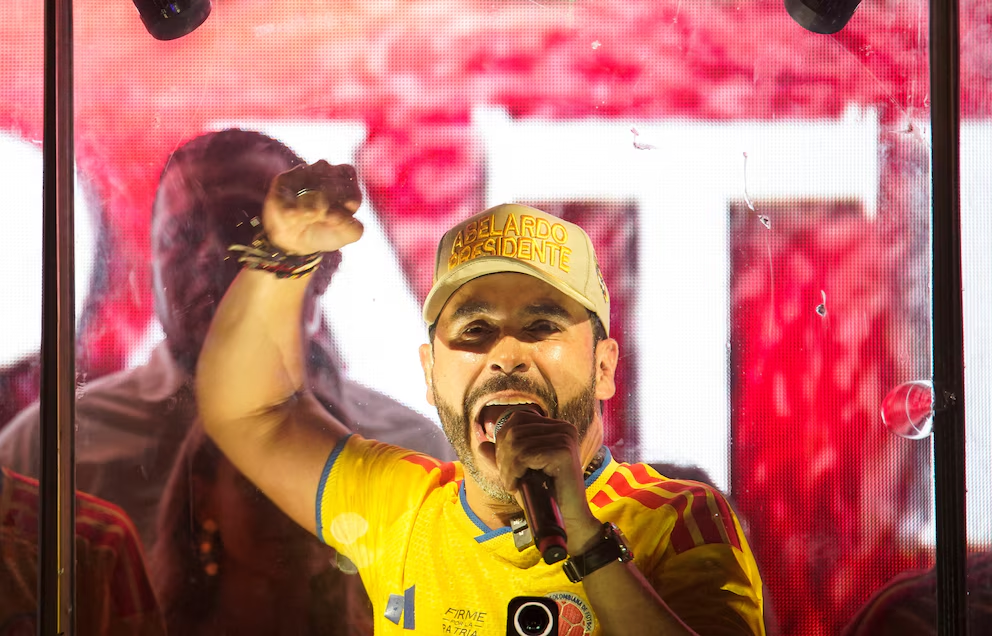
Gustavo Petro, the presidential candidate of the Polo Democrático party, has expressed his discontent with the electoral process, denouncing irregularities and fraud in the voting process. Petro, a left-wing politician, has been a critic of the current government and has promised to carry out a process of deep reforms in the country. However, their complaints against the electoral process have generated a climate of uncertainty in the country, and have called into question the legitimacy of the elections.
Petro's complaints focus on the lack of transparency in the voting process and the alleged manipulation of the results. The candidate has requested a thorough audit of the electoral process and has asked that the elections be repeated in some departments of the country. However, the OAS and other international observers have ruled out the possibility of widespread fraud in the electoral process, which has generated an interesting debate about the legitimacy of the elections.
Implications of the news
The OAS declaration on professionalism in Colombian elections has important implications for the country and the region. First of all, the legitimacy of the elections is fundamental for the political and social stability of the country. If elections are seen as legitimate, citizens are more likely to accept the results and the elected government is more likely to have the authority necessary to govern effectively.
Secondly, the OAS declaration has implications for the region. Political and social stability in Colombia is essential for the region, as the country is an important player in regional politics and economy. If elections are seen as legitimate, the region is more likely to experience a climate of stability and cooperation, which benefits all countries in the region.
Finally, the OAS declaration has implications for democracy in general. The legitimacy of elections is fundamental to the health of democracy, as it allows citizens to express their will freely and fairly. If elections are seen as legitimate, democracy is more likely to be seen as a viable and effective political system, which benefits the general public.
Additional context
It is important to highlight that the Colombian elections have taken place in a context of great political and social complexity. The country has experienced a transition process towards democracy in recent years, which has allowed elections to take place in a more transparent and peaceful manner. However, the country still faces important challenges, such as poverty, inequality and violence, which has generated a climate of distrust among citizens.
In this context, the OAS declaration on professionalism in Colombian elections is an important step towards the consolidation of democracy in the country. The legitimacy of the elections is fundamental to the political and social stability of the country, and the OAS declaration has helped reduce uncertainty and increase confidence in the electoral process.
Next steps
In the coming days and weeks, the Colombian government and the OAS are expected to work together to address Petro's allegations and ensure the transparency and integrity of the electoral process. The OAS has offered its technical support and experience to help Colombia consolidate its democracy and strengthen its institutions.
Furthermore, it is expected that Colombian citizens will continue to actively participate in the political process, demanding transparency and accountability in the government and institutions. Citizen participation is fundamental to the health of democracy, and Colombian citizens have demonstrated their commitment to democracy and justice in recent years.
Subscribe to Uruguay Al Día
Receive the most important news directly in your email. Clear, independent and updated information every day.
Follow us on WhatsApp
Join our official channel and receive alerts, news and exclusive content from Uruguay Al Día.
🔔 Join the WhatsApp channel