
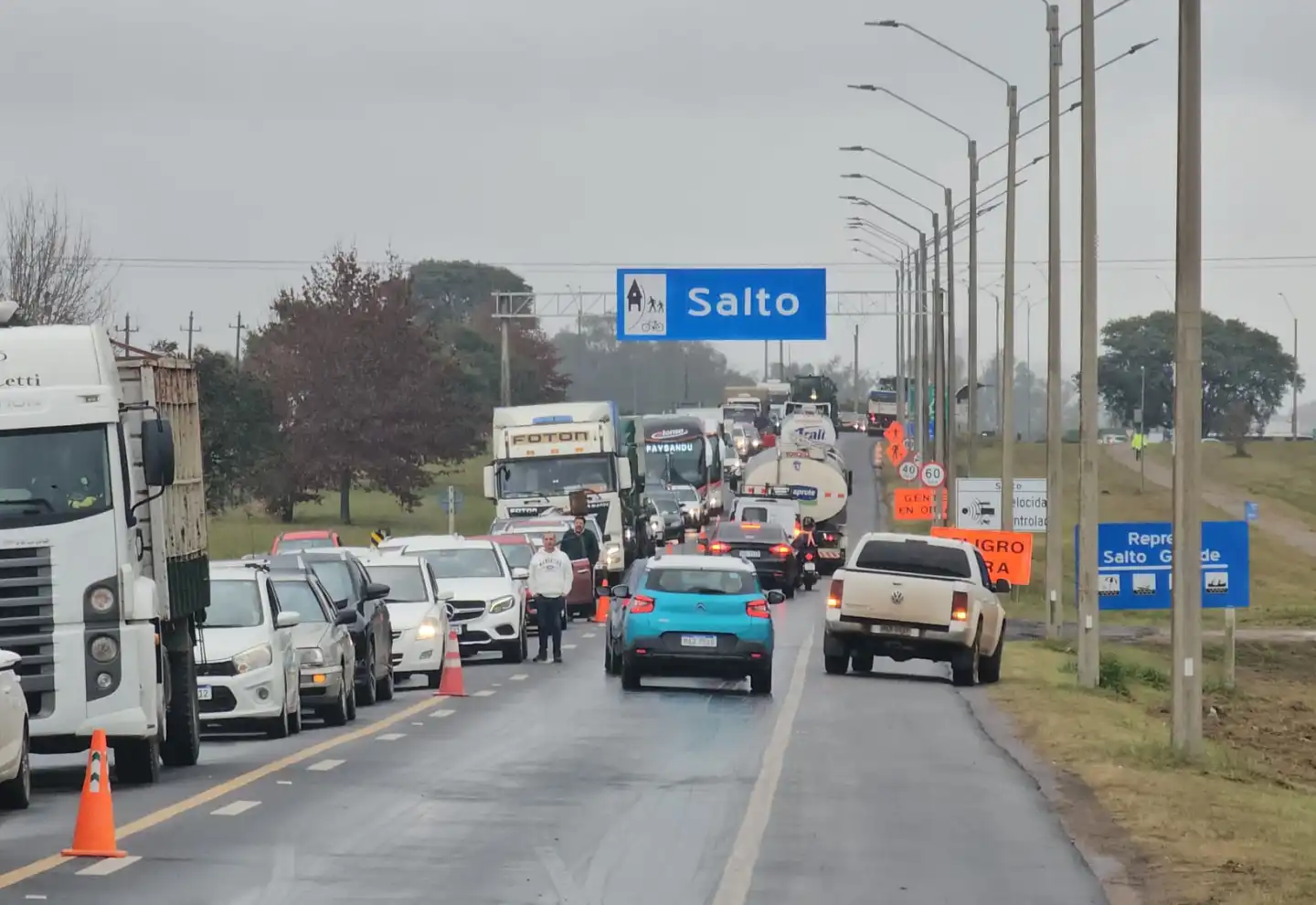
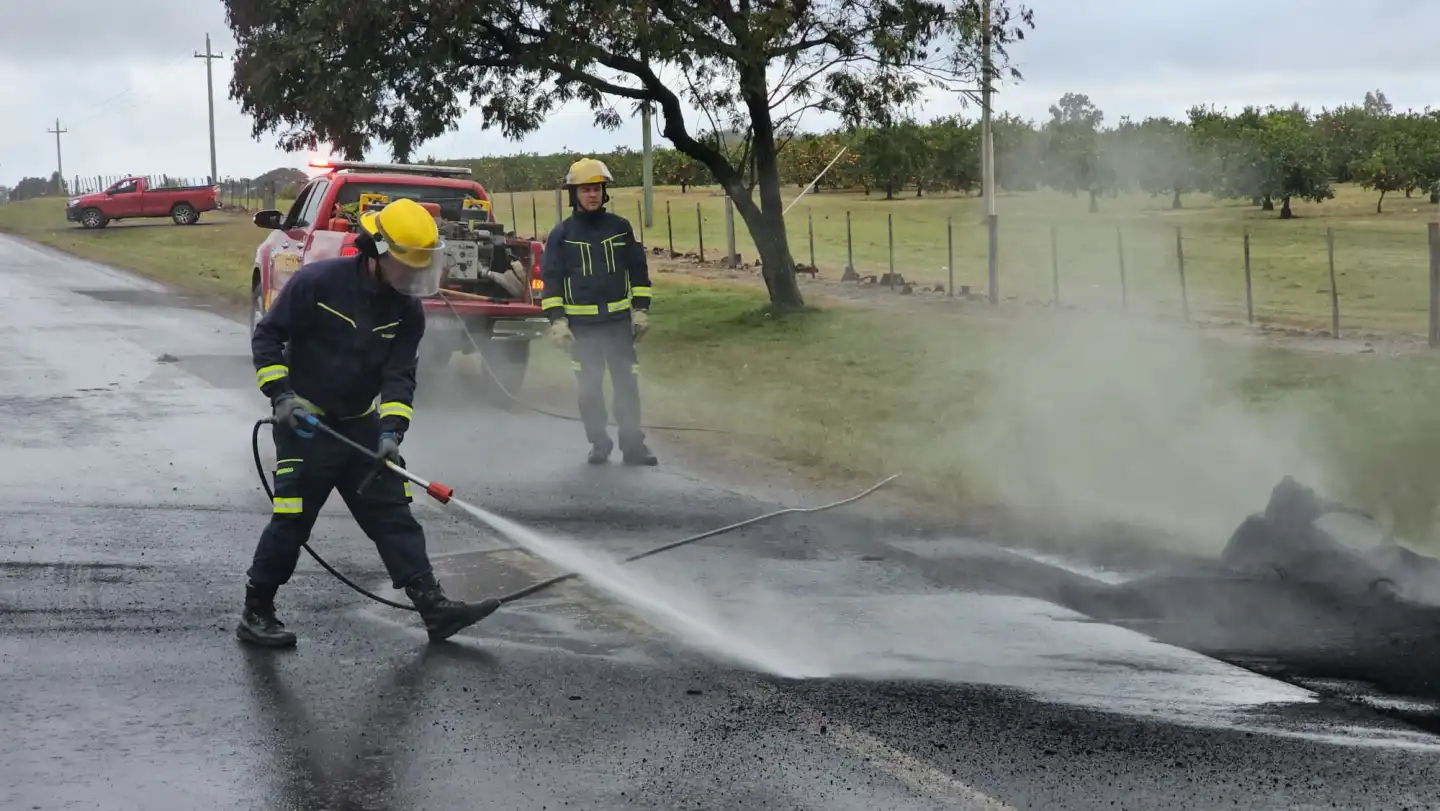
The black smoke that rose above the horizon in the department of Salto this Monday did not go unnoticed by anyone. What began as a demonstration by truck drivers and rural producers ended in a total cutoff of Route 3, one of the main arteries for commerce and production in the country. The burning of tires on the pavement and the presence of agricultural machinery blocked traffic, leaving hundreds of vehicles stranded under the northern Uruguayan sun.
The unrest, which had been brewing for weeks, broke out after the lack of responses that they consider insufficient for the operational costs of transportation and the profitability of the agricultural sector. The protesters, who gathered near Salto, demand adjustments in rates and competitive conditions that, according to them, are suffocating families who make a living from the countryside and logistics.
The conflict that escalates on the routes
The road closure was strongly felt in daily dynamics. Cargo trucks, regular buses and private cars were trapped in a bottleneck that lasted for several hours. The presence of the Highway Police was constant, trying to mediate to prevent the conflict from escalating into a physical confrontation between the protesters and the drivers who needed to circulate.
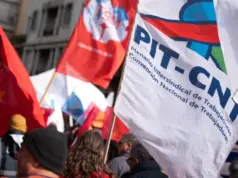
"We didn't want to come to this, but they no longer listen to us," commented a transporter while monitoring the fire that was devouring the decks. The image is eloquent: the sector feels that it is the last link in a chain that does not address its underlying complaints. Meanwhile, in Montevideo, the national unions try to maintain open channels of dialogue with the Ministry of Transportation, but the gap between official management and the reality of the route seems to widen more every day.
A warning sign for the Government
The burning of tires and the blocking of a national highway are extreme measures that, in modern Uruguay, are not seen every day. However, for Salto producers, this action is the symptom of a situation that has reached its peak. Logistics, the price of fuel and inputs for production are the pillars of a claim that is no longer satisfied with letters or committee meetings.
For the Government, the scenario is complex: giving in to the pressure of a road block implies setting a delicate precedent, but ignoring the discontent of a sector so vital to the export economy could lead to greater conflict. For now, traffic on Route 3 has been partially restored, but calm is tense. The protesters remain on alert, waiting for a clear sign that their voice will finally be heard before smoke once again colors the sky of Salto.