

The recent Customs controls at the points of entry into the country have unleashed a wave of criticism and questioning by figures of national culture, who accuse the authorities of applying arbitrary and excessive criteria during luggage inspections.
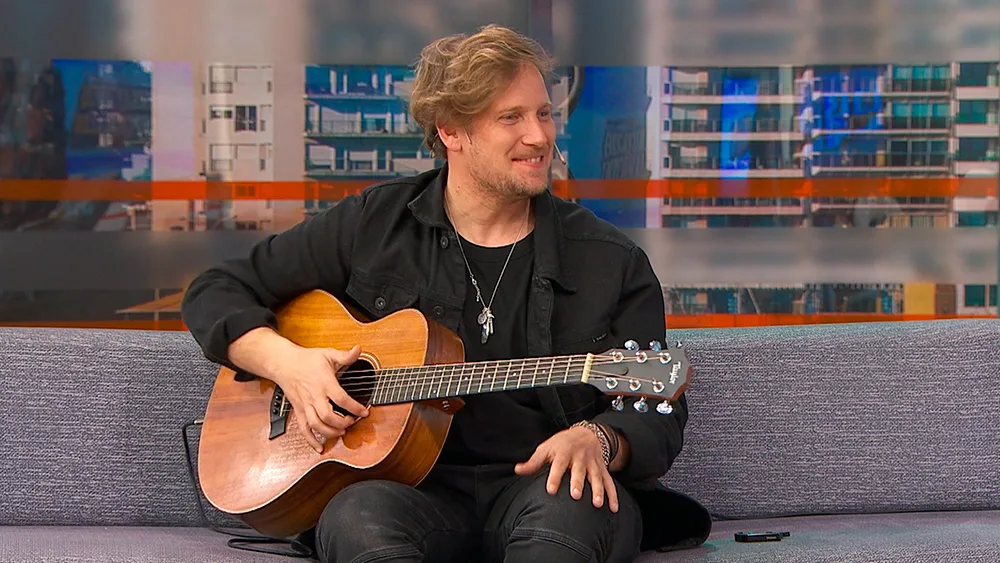
The controversy gained strength after the public defense of Nacho Obes, a renowned musician and former member of various television series, who recounted an experience that he described as degrading upon arriving in Uruguay. According to his testimony, the surveillance procedure seemed to focus with unusual rigor on his personal luggage, which motivated a response full of sarcasm and frustration through his digital platforms.
The impact of Customs controls on the artistic sector
Obes' discomfort is not an isolated event, but seems to reflect a shared feeling among music workers who must move their work tools across borders. The artist questioned the efficiency of the operations, ironically suggesting that the search for illicit or dangerous materials is concentrated on citizens dedicated to art, while other risks could be going unnoticed by the National Customs Directorate.
The musician's story focused on the humane treatment received during the inspection. Obes directly pointed out the attitude of the official in charge of the operation, alleging that he was subjected to constant doubts and veiled accusations in a context of a large influx of passengers. This perception of being “marked” among hundreds of travelers has generated an intense debate about selection protocols and the training of customs personnel to handle situations with the public.
Reactions and conflict history
The viralization of Obes' claim caused an immediate division in public opinion. While a sector of the audience supported the complaint of mistreatment and requested a review of the control regulations to avoid discretion, other users defended the mandatory nature of the reviews, arguing that no one should be exempt from the current laws, regardless of their profession or notoriety.
Given the criticism received, the singer chose to reaffirm his position using references to sports figures, suggesting that the legitimacy of his claim is based on his career and personal experience. However, this intersection of opinions brought to the table a problem that seems to be recurring for the group of Uruguayan artists in recent times.
The economic damage due to equipment retention
The scenario worsens when remembering other recent cases where Customs controls have directly affected the operational capacity of musical groups. This is the case of the cumbia pop band Olvidate!, whose members have publicly denounced that much of their technical infrastructure and instruments have remained seized in the Paysandú area for more than a year.
This type of situation generates direct economic damage, since the impossibility of having sound equipment and own instruments limits live performances and the professional development of local groups. The lack of a clear protocol for the temporary importation or transit of artistic tools seems to be the core of a conflict that continues to escalate and that, for now, does not find an institutional solution that balances border security with respect for cultural activity.
The discussion about the effectiveness of Customs controls and the treatment of citizens at border posts is thus installed on the public agenda, awaiting an official response that clarifies whether there is a specific directive for these procedures or whether they are episodes of administrative discretion.
Subscribe to Uruguay Al Día
Receive the most important news directly in your email. Clear, independent and updated information every day.
Follow us on WhatsApp
Join our official channel and receive alerts, news and exclusive content from Uruguay Al Día.
🔔 Join the WhatsApp channel