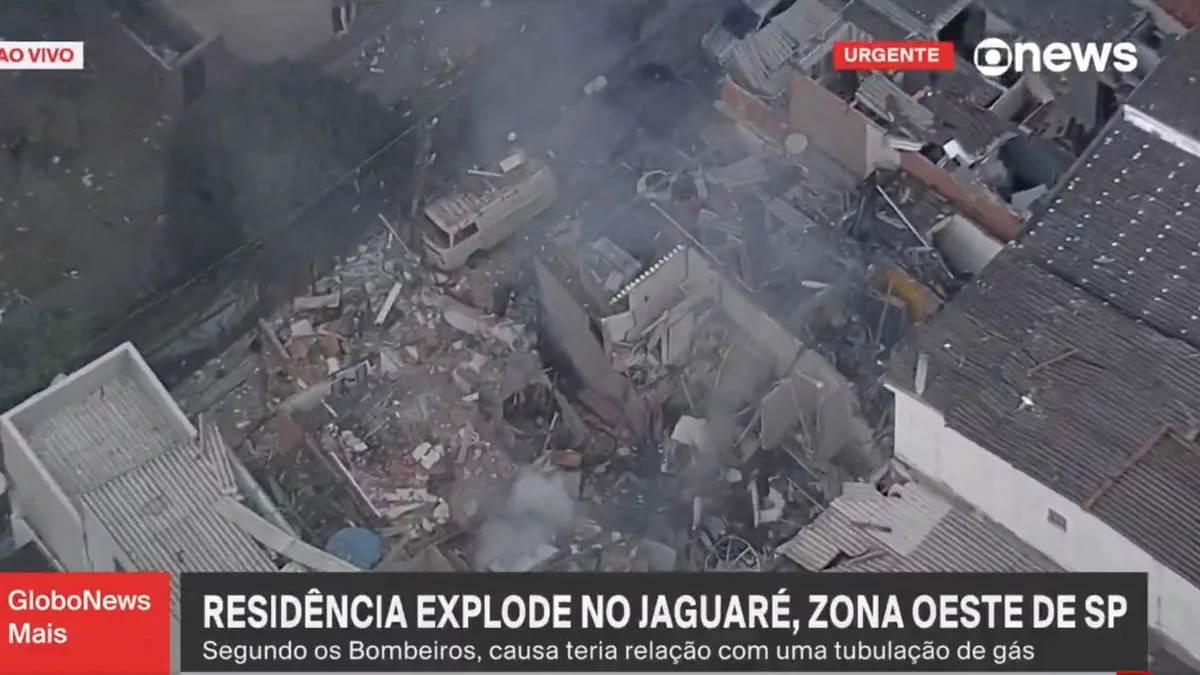


Rio de Janeiro is going through an unprecedented urban war. The violence between Vermelho Commando and the Paramilitary Militias It has left more than 130 dead, consolidating the episode as the deadliest police operation in Rio history.
The conflict not only exposes the power of criminal organizations, but also the fragility of the Brazilian State to impose order in a city where drug trafficking and corruption coexist with daily life.
Origin of the Vermelho Command
He Red Command (CV) was born at the end of the 70s in the Isla Grande prison, when common prisoners and political activists shared cells during the military dictatorship. From this coexistence a structure of cooperation and discipline emerged that gave rise to a criminal organization with ideology and internal hierarchy.
Under the motto “Peace, Justice and Freedom”, the CV was transformed in the 1980s into a movement for territorial control in the favelas, where the absence of the State allowed its expansion.
Today, the Red Command is not only a drug trafficking organization: it is a parallel government system with laws, punishments and courts of their own.
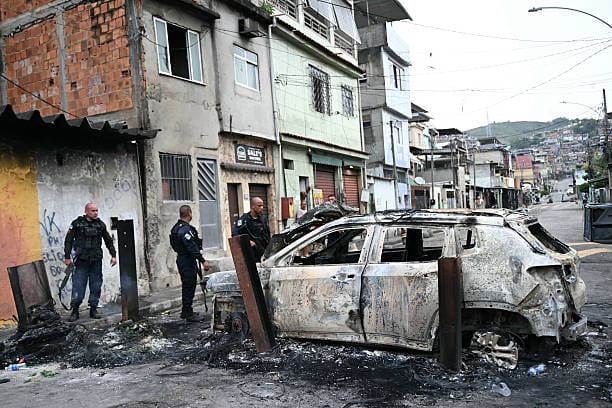
The growth of drug power
By 1990, the Comando Vermelho dominated more than 90% of Rio's favelas. Their “soldiers”—young people under 20—manage the drug sales points, while historical leaders, such as Fernandinho Beira-Mar, continue to direct operations from prison.
According to the Universidade Federal Fluminense (UFF), the CV currently controls the 51.9% of criminal territory of the metropolitan region, surpassing the militias in influence.
Its decentralized structure allows each local leader to manage their own territory, maintaining cohesion through loyalty and fear.
The militias: from order to terror
The Paramilitary Militias They emerged in the 2000s as “community self-defense groups.” Made up of former police officers, soldiers and corrupt agents, they presented themselves as a solution to drug trafficking. For a time, they managed to reduce crimes and gain the support of neighbors and politicians.
However, that façade of order became a mafia system that controls territories through fear and extortion. They charge fees for basic services, manage illegal television and Internet networks (“gatonet”) and manage informal transportation.
Today, the militias control near the 48% of criminal territory from Rio and more 165 favelas.
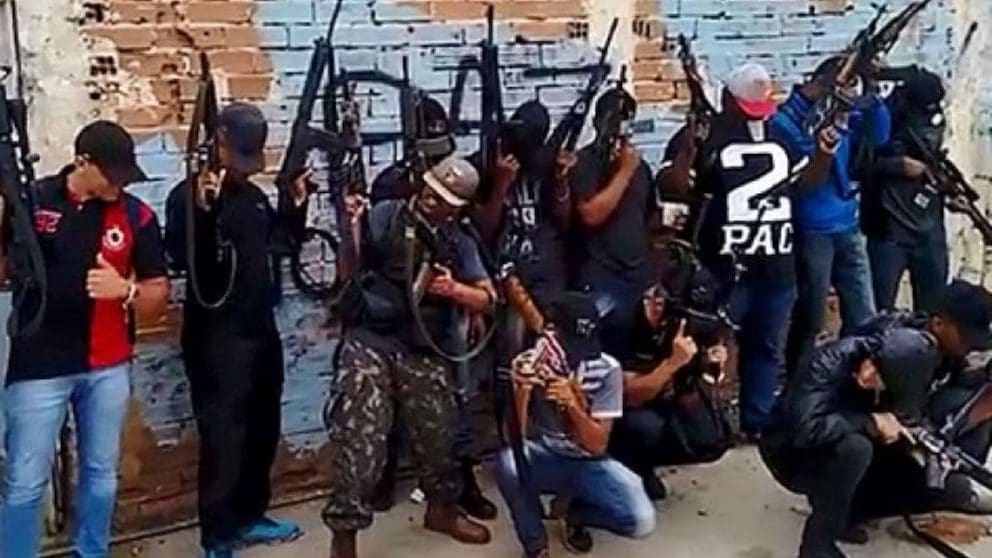
The collision of two criminal empires
The clash between Vermelho Commando and the militias It is a war of territorial and economic power.
While the CV focuses on the sale and transportation of drugs, the militias exploit illegal urban services.
Both systems coexist in an unstable balance, and each power vacuum generates new massacres.
Neighborhoods like Gardenia Azul, Rio das Pedras and Cidade de Deus They are epicenters of this war.
Each police operation reignites the conflict: the arrests or deaths of leaders open space for new confrontations.
The impact on the lives of Cariocas
More than 3.7 million people live under the direct control of criminal factions.
In CV areas, shootings are frequent and territorial control is imposed with open violence.
In militia areas, dominance is exercised with silent terror, exemplary punishments and social censure.
For the inhabitants of Rio, daily life takes place between resignation and fear, without confidence in the police or justice.
Many residents denounce that the state presence is limited to raids, without sustainable solutions.
The role of the State and corruption
The institutional corruption It is the biggest obstacle to eradicating organized crime in Rio.
Numerous investigations have revealed the collaboration of police with both factions: weapons have been sold, operations leaked and dominated areas protected.
Some politicians have even been accused of maintaining direct ties with militia leaders, as in the Marielle Franco case, which exposed the depth of that network.
Future perspectives and security challenges
The federal government has tried to respond with massive operations and integrated security plans, but the results have been ephemeral.
Without profound reforms in police and judicial institutions, violence will continue to reproduce.
Experts propose a mixed model that combines financial intelligence, sustained territorial control and social policies, especially in the young favelas where the CV recruits new members.
Can Rio regain peace?
Rio de Janeiro faces a protracted battle that redefines the concept of urban security in Latin America.
He Vermelho Commando and the militias They are two faces of the same phenomenon: the vacuum of the State.
While the bullets continue to mark the pulse of the city, the question persists:
Will Rio be able to rebuild peace or is it condemned to live among invisible wars?
Subscribe to Uruguay Al Día
Receive the most important news directly in your email. Clear, independent and updated information every day.
Follow us on WhatsApp
Join our official channel and receive alerts, news and exclusive content from Uruguay Al Día.
🔔 Join the WhatsApp channel