

Rescues in Maldonado: a black day in Solanas with a deceased woman and dozens of interventions
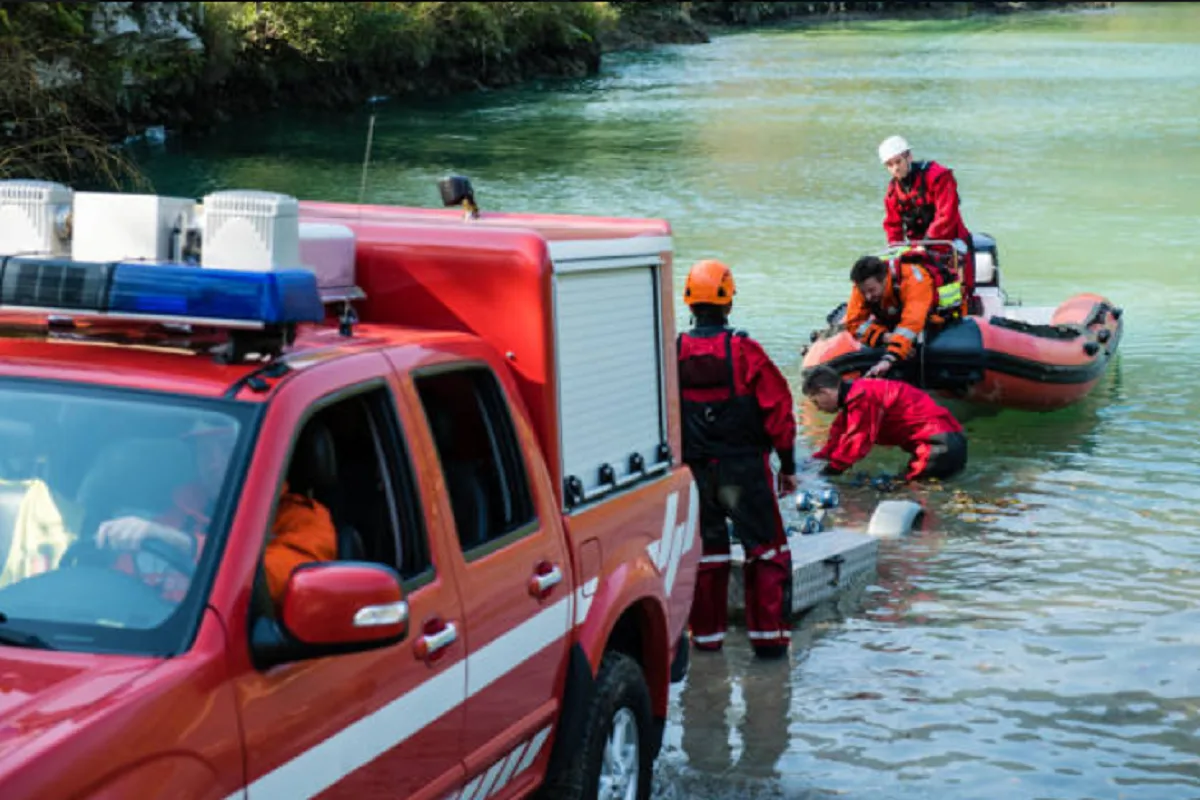
The start of the high season in the country's main resort has been marred by tragedy and a worrying recklessness on the part of holidaymakers. In the last 48 hours, the beach security service has had to intervene in about 50 rescues in Maldonado, a figure that highlights the current danger of the coast and the disregard for the authorities' warnings. The most serious episode occurred this January 1 in the Solanas area, where a 50-year-old woman lost her life after being trapped in a current in an area that lacked direct surveillance.
The victim was bathing in an area far from official posts when he began to have difficulty getting out of the water. According to Marcelo Simoncelli, head of the department's lifeguard, the closest surveillance post was about 1,000 meters from the scene of the accident. Despite the distance, the lifeguards quickly responded to the warning, jumping into the sea to try to save two women. Although they managed to extract both, a young woman remained out of danger while the 50 year old woman died shortly after, despite resuscitation maneuvers carried out in the sand.
Recklessness and red flag in the rescues in Maldonado
The exponential increase in rescue operations during this turn of the year has a clear explanation for the authorities: the lack of respect for signage. For the past two days, much of Brava Beach has displayed the red flag, strictly prohibiting entry into the water due to back currents and strong waves. “People ignore the lifeguard's warnings and then problems arise,” said Simoncelli, with evident concern about the behavior of tourists who choose to bathe in non-authorized areas.
Most of the 50 relief actions registered in these 48 hours occurred precisely in sectors far from the polling stations or under conditions of extreme risk. The lifeguards insist that their duty hours are from 9:30 a.m. to 7:30 p.m. and that, outside of that period or outside protected areas, the possibility of an effective response decreases drastically. The physical deployment of the officials has been exhausting at the beginning of January, dealing not only with the currents, but also with the resistance of some bathers to comply with the orders to withdraw from the sea.
Vital recommendations to avoid more rescues in Maldonado
Given the massive influx of public expected for the first weekend of the year, the Mayor's Office and Prefecture have reinforced the call for sanity. The fundamental recommendation to avoid being part of the statistics of relief missions is to bathe exclusively in the areas delimited by health and safety flags. It is vital that they look for the positions we have installed; "1,000 meters away in the water is an eternity when someone is drowning," they remembered from the lifeguard corps after the tragic event in Solanas.
In addition to surveillance, it is necessary to understand that the conditions of the Atlantic Ocean In this area of the peninsula they can change in a few minutes. A sandbar that seemed safe can transform in a “chupona” or water outlet channel that drags even experienced swimmers. The rescues in Maldonado They often get complicated when swimmers try to fight the current instead of swimming parallel to the coast, a basic survival technique that many are unaware of when they panic.
The role of the community in the face of rescues in Maldonado
The solidarity of other bathers was key in the Solanas incident, where people with surfboards collaborated in the first approach to the victims before the lifeguard arrived. However, the authorities warn that these actions, although brave, can lead to multiple tragedies if those trying to help do not have the necessary technical training. The best way to collaborate is to give immediate notice through 911 or directly to the nearest lifeguard station, preventing the number of rescues in Maldonado continues to grow at an alarming rate.
While the Prefecture of Maldonado carries out the judicial proceedings corresponding to the death of the 50-year-old woman, the red flag continues to fly at various points on the eastern coast. The season has just begun and the pressure on the rescue service is maximum. The rescues in Maldonado They are the last barrier between enjoyment and doom, but that barrier depends, ultimately, on the common sense of each person who decides to face the surf this summer.
Will it be necessary to implement financial sanctions for those bathers who, ignoring the red flag, force lifeguards to risk their own lives in totally avoidable interventions?
Subscribe to Uruguay Al Día
Receive the most important news directly in your email. Clear, independent and updated information every day.
Follow us on WhatsApp
Join our official channel and receive alerts, news and exclusive content from Uruguay Al Día.
🔔 Join the WhatsApp channel