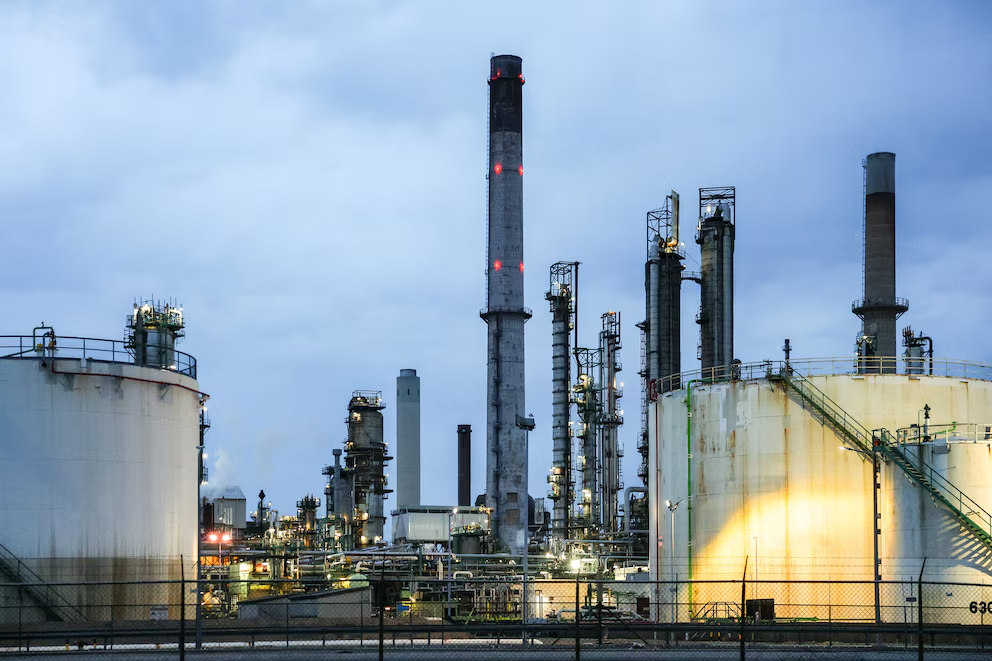

When the specter of an all-out conflict in the Middle East seemed to have dried up energy sources, the market did a 180-degree turn. This Wednesday, crude oil suffered a direct blow that led it to reach its lowest levels since hostilities broke out. Brent closed at USD 73.74 and WTI barely managed to stay above USD 70, both marking a floor that many thought they would never see again while the war drums were beating in the Gulf.
The explanation is as simple as it is vital: the Strait of Hormuz, that artery through which the global energy supply beats, began to become unclogged. After weeks of uncertainty and war tensions, oil tankers have once again sailed its waters under escort.

Relief on maritime routes
The change of scenery was remarkable. According to information provided by the Reuters agency, around 20 million barrels managed to leave the strait in the last 24 hours. It is a relief, yes, but not a return to absolute normality. Data from the Kpler monitoring platform tells a different story: although traffic has been reactivated, the 31 daily ships that are crossing are barely a fraction of the 120 that passed before the war between the United States, Israel and Iran blocked everything.
The fear of sea mines, planted by Iran as a last resort of pressure, is still there. The International Maritime Organization (IMO) has not let its guard down and maintains precise instructions for the almost 11,000 sailors who, for weeks, were trapped in limbo, waiting for instructions on the high seas while fuel and food were scarce.
Trump puts pressure, oil companies defend themselves
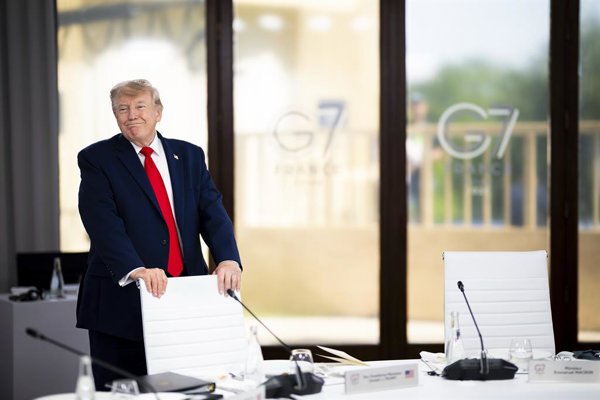
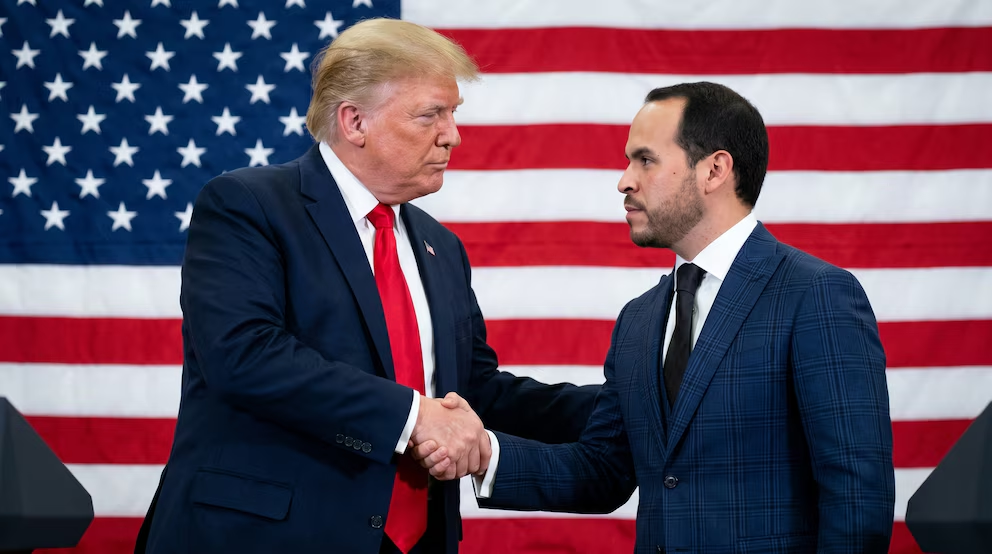
With the price of a barrel plummeting, the question everyone is asking on the street is: "And when does the price at the gas station go down?" President Donald Trump did not wait to launch his darts. Visibly upset because the cheaper crude oil has not yet reached citizens' pockets, he ordered the Department of Justice to put a magnifying glass on the big oil companies.
It's the same old story: the price of oil drops in the futures markets almost instantly, but the cost of a liter of gasoline seems to have its own inertia that always goes down more slowly. For analysts, this is nothing more than a question of operational times, but in a year of midterm elections, the patience of the American voter is a rare commodity.
A path of diplomatic uncertainty
The reopening of the strait is the product of a provisional agreement between Washington and Tehran. It is a respite, but also a fragile truce. As Iran prepares to resume crude exports following the easing of some sanctions, the market is watching cautiously. Any misstep — a new toll imposed by Iran or a military skirmish — could reignite prices within hours.
For now, investors celebrate the reopening, although no one dares to rule out a new rise. The war left scars on maritime logistics that will not be healed by a single agreement. The truth is that, for today, the drop in oil is a respite for the global economy, which can no longer afford to live in fear that the Middle East tap will suddenly turn off.
Subscribe to Uruguay Al Día
Receive the most important news directly in your email. Clear, independent and updated information every day.
Follow us on WhatsApp
Join our official channel and receive alerts, news and exclusive content from Uruguay Al Día.
🔔 Join the WhatsApp channel