

Between patents, press silence and power privileges
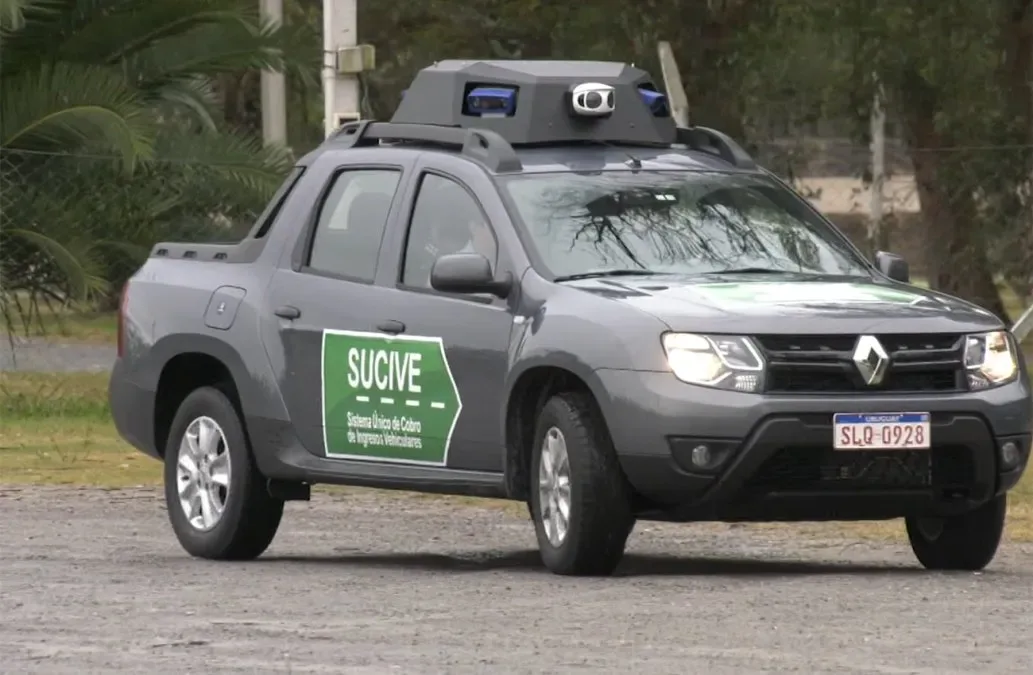
In Uruguay, it seems that for certain media outlets, professional ethics are an obstacle when it comes to protecting corporate or political interests. The annual debate on patent value in Uruguay came to light again, but this time with a bitter seasoning: the verification that the newspaper El País has decided to editorialize through omission. Half-reporting is another form of lying, and when it is hidden who are really fighting the battle against the SUCIVE system, journalism becomes a public relations tool.
Recently, the newspaper El País published an article about how capacity is set, but “forgot” to mention the key actors who put the issue on the agenda. You did not read the name of Uruguay al Día, nor that of the complainant Marcos Doglio, and much less the one who exposed all this dirty trick, the journalist Gonzalo Sualina, nor the representative Gustavo Salle, who has taken the fight to the legal level. It is disrespectful to colleagues and the audience; a crude attempt to appropriate someone else's agenda while protecting the framework of Autodata, that private company that, in fact, ends up dictating how much you have to pay to circulate.
The role of Autodata and the functional journalism of El País
The central problem is not just technical, it is deeply political. He patent value in Uruguay It is not defined by a neutral State technician in a public office, but is based on Autodata reference values. This private firm sets the course for the State, insurers and banks, leaving the common citizen hostage to a price set between four walls. That a national newspaper reports this partially, omitting those who denounce this “toll” private over public tax, is an alarm signal about the health of our press.
It is scandalous that an attempt is made to dismantle the framework of power without mentioning those who have been denouncing the mechanism since day one. Uruguay a Day has maintained a coherent line reporting what others are silent, while the traditional media seems more concerned about not inconveniencing the dealers and banks that benefit from these values. The responsibility to report completely is sacred, but on Zelmar Michelini Street it seems that memory is selective when the names of complainants do not fit their editorial line.
The other uncomfortable silence: the case of Minister Carlos Negro
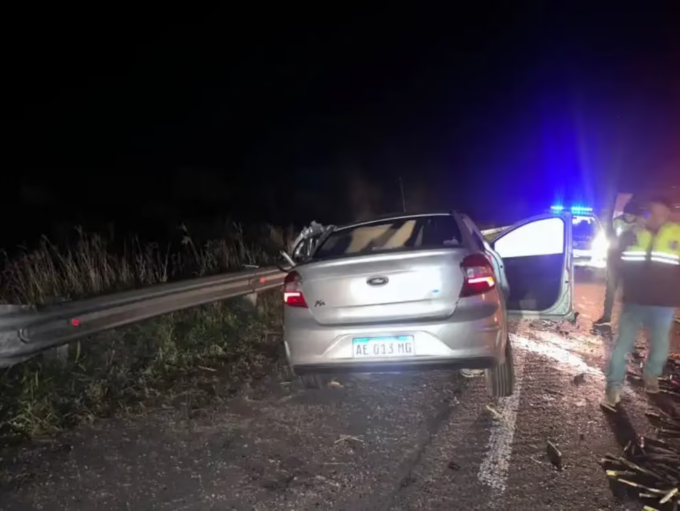
But the lack of ethics does not stop only in the patent value in Uruguay. While the mainstream press cuts names, the system politician rehearses his own complicit silence in the face of a serious event institutional. The accident caused by the Minister of the Interior, Carlos Negro, in the Cerrito de la Victoria, seems to be entering that gray area where partisan convenience outweighs public responsibility. A young man today is immobilized, with multiple fractures and a life suspended because a leader did not respect a Stop sign.

The versions circulating in the party corridors indicate that the votes would not be there to request the resignation of the Black minister. It is a disastrous message for Uruguayan society: if you have enough position, you can ignore traffic regulations and leave a citizen prostrate without your chair being in danger. He judicial process will continue its course, but political responsibility cannot be swept under the carpet of the files. Power should not mitigate consequences; In a healthy democracy, they should be multiplied by the responsibility that the position entails.
When the cost of politics is paid by ordinary people
This media and political shielding erodes public trust in an alarming way. If the newspaper El País cuts the information about the patent value in Uruguay To protect the system and the parties protect a minister who caused a tragedy, who defends the citizen? The answer is clear: defense arises from unfiltered information. It cannot be naturalized that a young person ends up in a bed depending on permanent care while the political system calculates whether or not it is convenient for him to ask for a resignation.
In this country, where many speak but few tell the complete truth, Uruguay a Day stands firm. The information is not the property of the large media or the politicians in power. He patent value in Uruguay It is an issue of pocketbooks, but also of transparency, and the incident of the Black Minister is an issue of justice, but also of public ethics. We will continue to tell what others prefer to keep silent about, because functional silence is the best friend of privilege and the worst enemy of people.
What kind of journalism are we building when the most important media in the country decide to erase with a stroke of the pen the protagonists of social complaints?
Subscribe to Uruguay Al Día
Receive the most important news directly in your email. Clear, independent and updated information every day.
Follow us on WhatsApp
Join our official channel and receive alerts, news and exclusive content from Uruguay Al Día.
🔔 Join the WhatsApp channel