
The confrontation between the IOC and Indonesia
The International Olympic Committee (IOC) has made a strong decision by banning Indonesia from hosting Olympic events until the entry ban on Israeli gymnasts is revoked. This measure was announced after the cancellation of visas by the Indonesian government for the Israeli delegation participating in the Artistic Gymnastics World Cup in Jakarta. The IOC's intervention seeks to guarantee that all athletes have equal opportunities in access to international competitions.
During a virtual meeting of its Executive Board, the IOC reaffirmed its commitment to inclusion and non-discrimination in the field of sport. They argued that all athletes, regardless of nationality, should have the opportunity to compete on equal terms. This incident not only affects Israel, but raises broader questions about access to competitions in countries that impose political restrictions on athletes.

IOC decisions and implications
The IOC, in a significant shift in its policy, has decided to suspend any dialogue on holding future Olympic Games or events related to Indonesia. This decision will remain in effect until the Asian country ensures access to all participants. Additionally, international sports federations were urged to avoid any events in the country until significant changes are made to the visa policy.
This move by the IOC demonstrates a more rigorous approach towards inclusion policies within sport. By recommending that qualification principles be adapted for the Olympic Games, it seeks to create an environment where equity is prioritized over political considerations. The situation in Indonesia could be a turning point in how restrictions on access to sporting events are handled.
The international reaction to the Indonesian veto
The reaction to the IOC decision has been mixed. Some human rights groups have applauded the IOC's action, calling it a necessary step toward equality in sport. However, other critics point out that this ban could have negative repercussions for Indonesian athletes, who will be affected by the cancellation of events that could have put their country at the center of the sporting stage.
The veto also puts Indonesia under global scrutiny, confronting its government with the consequences of its entry policies for foreign athletes. The sphere of sport often crosses paths with politics, and in this case, Indonesia's refusal to welcome Israeli gymnasts has come at a considerable cost in terms of reputation and opportunities.
The challenges of sports inclusion
Inclusion in sport is an issue that has gained relevance in recent years. The IOC has been working to eradicate discrimination in all its forms, but the reality is that many countries persist in imposing restrictions that go against these principles. The Indonesian case highlights the significant challenge facing the IOC and other international sports organizations.
The pursuit of an inclusive sporting environment requires not only effective policies, but also the willingness of host countries to adopt an open stance towards all athletes. The dilemma of entry restrictions not only affects a specific group, but also harms the sporting spirit and the development of events that bring together nations under the same objective.
Implications for world gymnastics
The recent IOC decision also has immediate implications for the global gymnastics community. The International Gymnastics Federation faces a delicate balancing act as it seeks to maintain the integrity of the sport while navigating an environment fraught with political tensions. The cancellation of the event in Indonesia not only nullifies the opportunity for Israeli gymnasts to compete, but also affects athletes from other nations who were looking forward to the competition as a platform to demonstrate their talent.
With the delay and suspension of key events, many athletes are beginning to question what international participation and competition really means in a world where political decisions can dictate access to sporting opportunities. The global gymnastics community is at a crossroads, and the outcome of this conflict could define its long-term direction.
Attention at the next IOC meeting
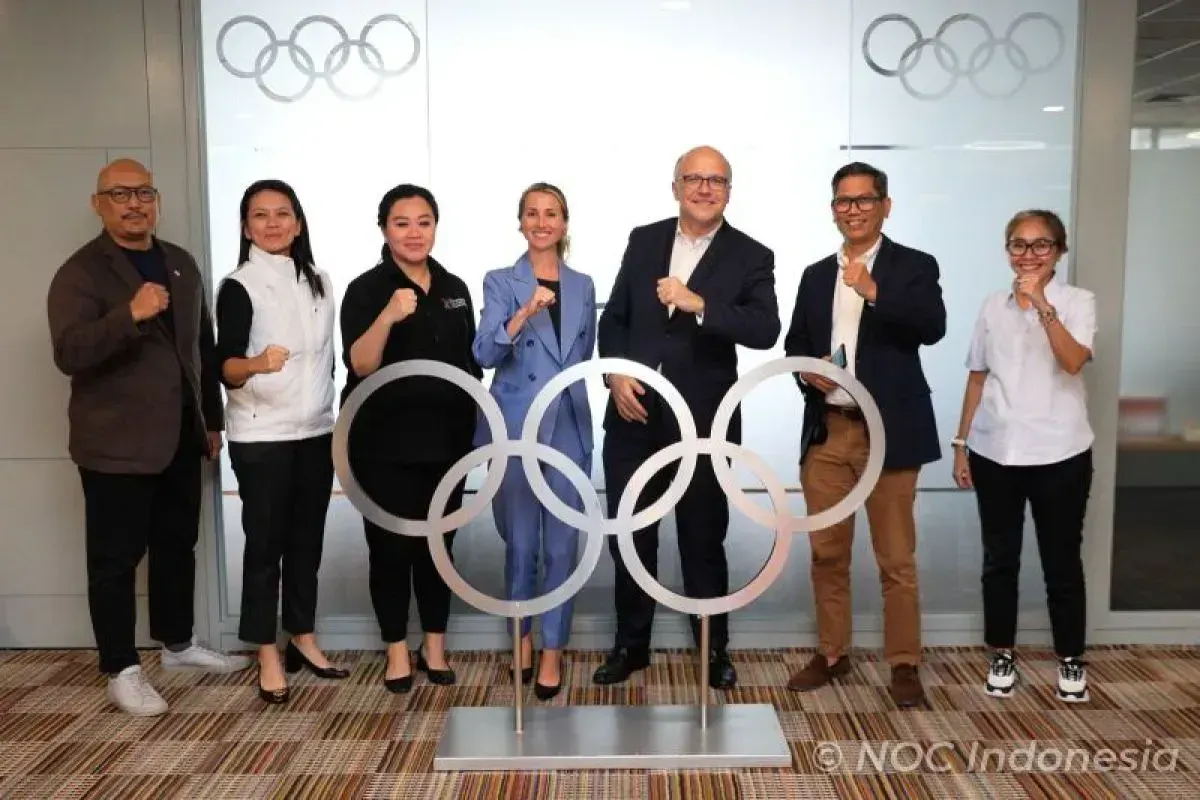
A meeting has been convened between the Indonesian Olympic Committee and the International Gymnastics Federation at the IOC headquarters, located in Lausanne, Switzerland. This meeting is expected to be crucial in addressing current concerns and exploring a path towards resolution that ultimately allows the participation of all athletes in competitions, without discrimination or restrictions.
The meeting will not only be an opportunity to discuss Indonesia's performance, but is also expected to serve as a forum to reiterate the IOC's commitment towards promoting inclusion in sport. At a time when the eyes of the world are on the IOC, it remains to be seen whether the actions taken will reflect the spirit of cooperation and the desire of all athletes to compete on a level playing field.
Final thoughts on the situation
The situation in Indonesia provides an opportunity to reflect on the role of sports organizations in promoting equality and creativity in the field of inclusion. As the IOC navigates this dilemma, it is essential that precedents continue to be established that ensure the participation of all athletes, everywhere.
The challenges are evident, and quick and decisive action will be critical to resolving the current conflict. If the IOC manages to implement concrete measures that promote inclusion policies, it could set a new standard in international sport, serving as an example for other nations and organizations.
Conclusions on the future of sport
The future of the sport will be influenced by how it reacts to situations like the one in Indonesia. The ban imposed by the IOC highlights the importance of maintaining the commitment to equity in access to competitions. The international sports community must come together to ensure that all voices are heard, and that the rights of all athletes are respected.
The IOC's decisions will now set a precedent that could resonate with the way sporting events are run in the future. As the world faces increasing polarization in many aspects, sport must be a platform where inclusion and equality are the norms, not the exceptions.
In a landmark decision, the International Olympic Committee (IOC) announced on Wednesday that Indonesia will not be able to host any Olympic events in the future, due to the recent entry ban imposed by the Indonesian government on Israeli gymnasts participating in the World Artistic Gymnastics Championships in Jakarta. This measure reflects the IOC's strong stance on equal opportunities in international sport.
The situation arose when the Israeli delegation, which had traveled to Indonesia to compete in the sporting event, encountered a veto that prevented them from entering the country. The Indonesian government canceled the team's visas, creating a crisis in the sporting arena and a rapid response from the international community. Following this visa cancellation, the IOC Executive Board met virtually this week to evaluate the implications of this action.
Durante la reunión, el COI reafirmó su compromiso en contra de la discriminación en el deporte. En un comunicado oficial, se subrayó que «todos los deportistas, equipos y oficiales deportivos elegibles deben poder participar en competiciones y eventos deportivos internacionales sin ningún tipo de discriminación». Este principio es fundamental para la organización, que busca garantizar un entorno inclusivo para todos los atletas, independientemente de su nacionalidad.
The consequences of the IOC's decision are severe. Indonesia, which had been considered as a potential host for future Olympic events, will be excluded from any form of dialogue related to the organization of the Olympic Games or youth Olympic events until the Indonesian government rectifies its position. According to the IOC, this rectification should include adequate guarantees of access to all participants without discrimination.
In addition, the IOC urged international sports federations to refrain from organizing any events on Indonesian territory as long as the situation remains unchanged. The organization's strategy also includes the recommendation to federations to adapt their classification principles for the Olympic Games, so as to ensure equitable conditions for all athletes. This guideline is part of a broader effort by the IOC to prevent future incidents that could call into question the integrity of the sport.
The IOC has additionally requested that the Indonesian Olympic Committee meet with the International Gymnastics Federation at the IOC headquarters in Lausanne, Switzerland. This meeting aims to discuss what happened during the World Gymnastics Championships in Jakarta and seek solutions that avoid the repetition of similar events in the future.
The reaction to this ban by Indonesia has sparked intense debate in the international sports community. Many have praised the IOC's strong stance as a necessary step to ensure that sport serves as a bridge between nations and not a means to perpetuate political divisions. However, others have raised concerns about how these decisions may impact athletes and sporting events in regions where political tensions are common.
The IOC's commitment to protecting athletes goes back to its founding principles, which advocate the promotion of the Olympic values of inclusion and respect. This conflict in Indonesia highlights the growing need for a clear framework that ensures the participation of all athletes in an environment free of prejudice and discrimination.
The ban imposed by Indonesia has triggered a situation that could affect its ability to organize international sporting events in the immediate future. The IOC has made it clear that its top priority is to ensure equal access to competitors and promote the sporting elite regardless of their origin. This development comes as a warning to other countries regarding the importance of welcoming and integrating all athletes into the global sports community.
Subscribe to Uruguay Al Día
Receive the most important news directly in your email. Clear, independent and updated information every day.
Follow us on WhatsApp
Join our official channel and receive alerts, news and exclusive content from Uruguay Al Día.
🔔 Join the WhatsApp channel