

Carlos Negro's mea culpa in the main political echo chamber
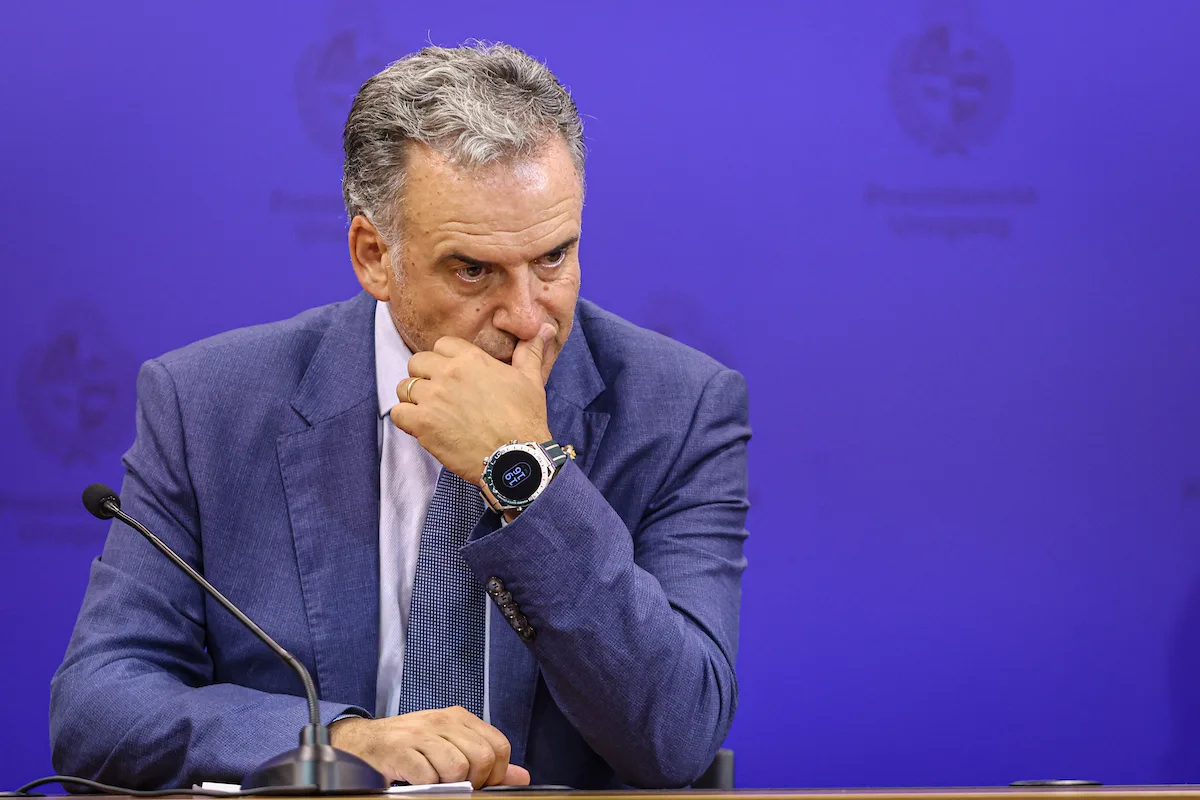
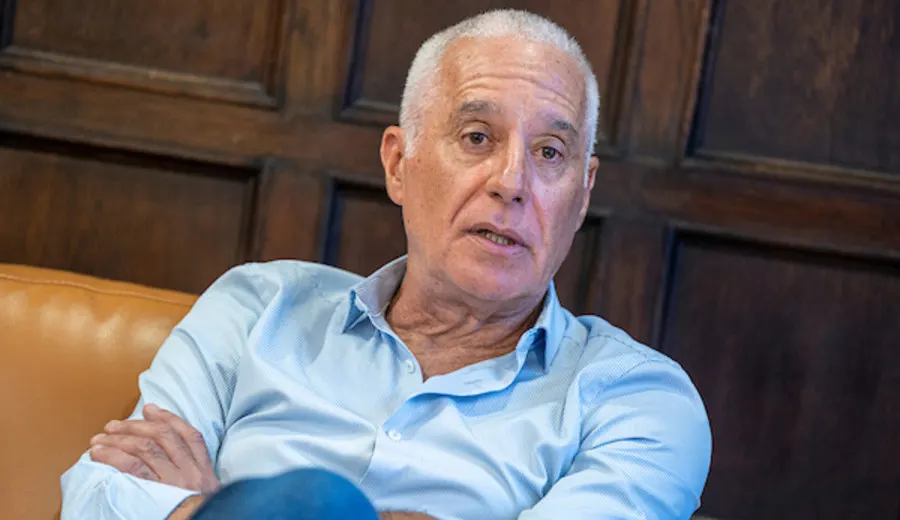
The setting was the Permanent Commission of the Uruguayan Parliament, but the background was a street intersection where the authority forgot the basic rules. He Minister of the Interior Carlos Negro He appeared before legislators this Wednesday with a speech full of contrition, but also self-defense. What began as a call to discuss crime indicators and the national security plan, ended up being the stage where the leader had to face the traffic accident he was involved in a few days ago when he ignored a Stop sign.
Political pressure, led by figures such as deputy Pablo Abdala, had an effect. He interior minister Carlos Black He acknowledged that he owed an apology not only to Ezequiel, the young motorcyclist who was injured on the corner of León Pérez and Capitán Basilio, but to the entire citizenry. It corresponds that a minister who has an accident "Like the one who starred and who failed to comply with some regulations, apologize for the investiture you have," said Negro, trying to separate his human error from his public position.
The leadership argument in the face of regulatory failure
One of the most controversial points of the appearance was the way in which the Minister of the Interior Carlos Negro He tried to resignify the incident. Given the opposition's questions about how this fact affects their authority to demand compliance with the law from the rest of the Uruguayans, Negro turned the argument around. According to the minister, the fact of having undergone spirometry, pay the fine and renewing your license like any neighbor is, in reality, a sign of leadership and equality before the law.
"Demand to be treated like any citizen and not have any prerogatives. That was the minister's order," he said firmly. However, in the corridors of the Legislative Palace the doubt remains floating as to whether equality before the law begins by complying with the signs of traffic before causing an accident, and not just for paying the consequences later. For him Minister of the Interior Carlos Negro, the episode should serve as a “learning” about the risks of driving a vehicle, although for the public opinion Learning seems to be more about the responsibility of those in senior positions.
The reflection on the driver and ministerial custody
The debate also led to questions of government logistics that rarely reach the general public with such starkness. He Senator Sebastián Da Silva had put his finger on the sore days ago: is it appropriate that the Minister of the Interior Carlos Negro drive your own car, without custody or driver? Negro admitted to having reflected on these “habits and behaviors” that, in his words, end up affecting politics in general when an unforeseen event of this caliber occurs.
This review of the conduct of Minister of the Interior Carlos Negro opens a door to changes in the security of the hierarchs. The idea that an authority must be “armored” not only by physical security, but also by political security, gained ground in the session. Although Negro tried to show himself as a common man who made a mistake, the institutional cost of a minister of the Interior violating the same laws that its portfolio must supervise It is a bill that the opposition is not willing to let go easily.
Ezequiel's condition and recovery at home
Beyond the political thread and communication strategies, the center of this drama continues to be the health of the young man who was run over. He Minister of the Interior Carlos Negro He reported that he remains in contact with the family and that he visited the young man in the sanatorium. Fortunately, Ezequiel has already received a medical discharge and continues his recovery at home, although the consequences of an impact of this nature always leave their mark, both physically and psychologically.
He Minister of the Interior Carlos Negro He closed his speech by reaffirming that he takes responsibility for the mistakes made. However, the apology in Parliament does not definitively close the episode in the collective memory. The management of public security requires a moral authority that, after the crash, came under the scrutiny of locals and others. The question now is whether this request for forgiveness will be enough to appease the calls for resignation that still resonate in some sectors of the opposition.
Will the Uruguayan political system be able to assimilate that an Interior Minister commits serious traffic violations and keeps his authority to direct the National Police intact?
Subscribe to Uruguay Al Día
Receive the most important news directly in your email. Clear, independent and updated information every day.
Follow us on WhatsApp
Join our official channel and receive alerts, news and exclusive content from Uruguay Al Día.
🔔 Join the WhatsApp channel