
Outlook for 2026: the meat and oil market sustains the profitability of agriculture
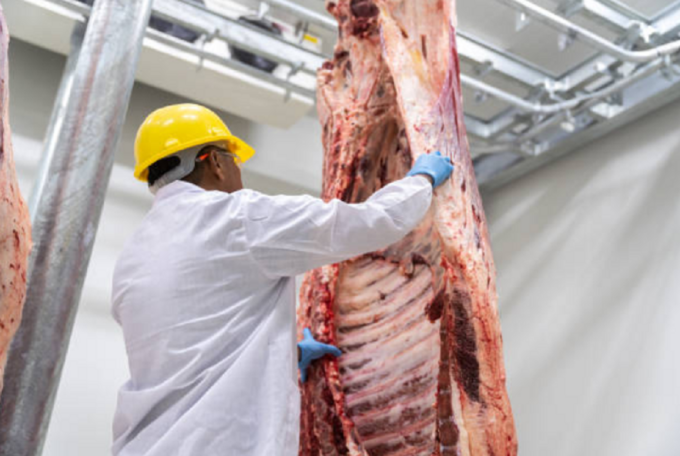
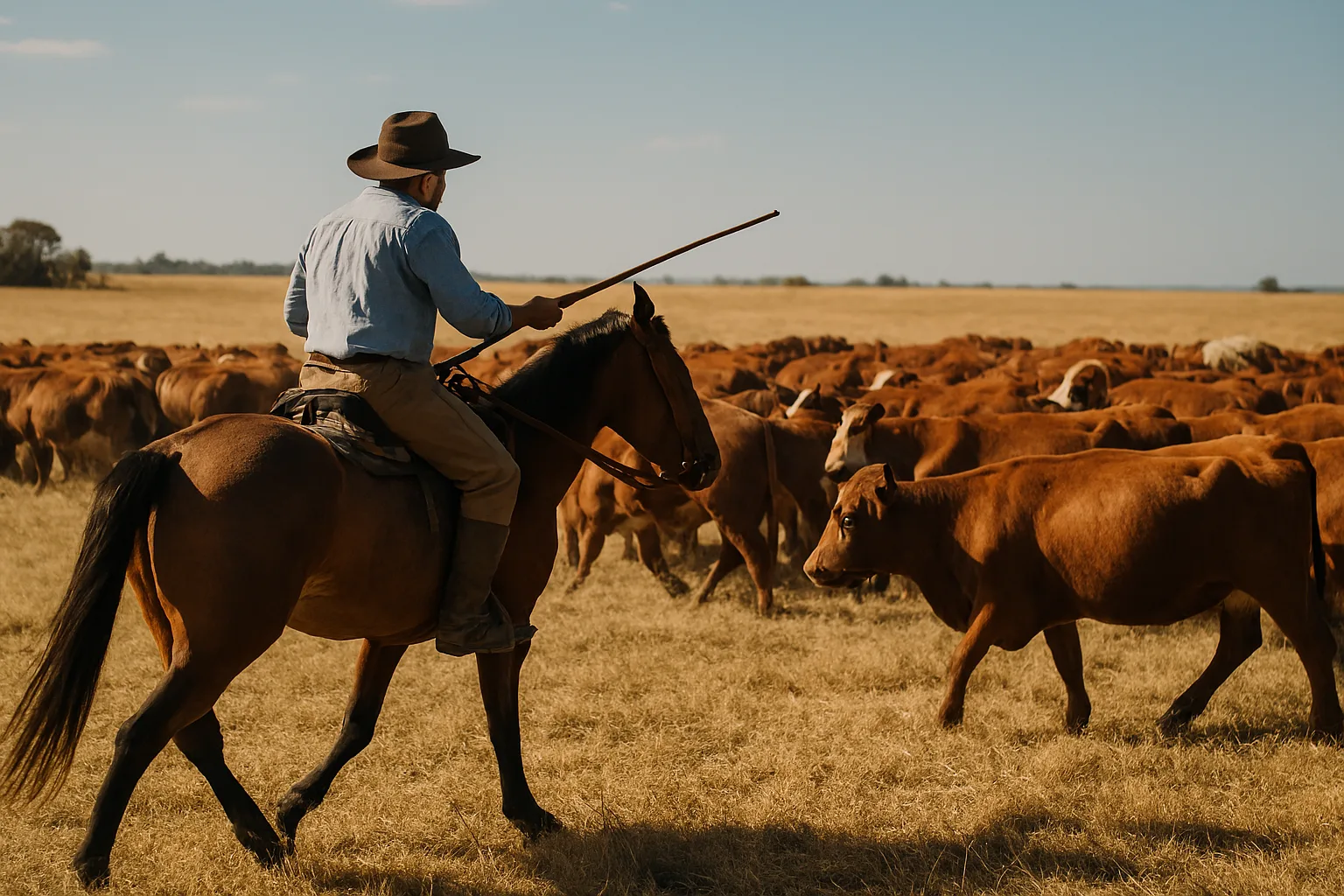
The closing of 2025 leaves a balance that tastes like victory for the Uruguayan agricultural sector, although not free of structural concerns. He meat market and agricultural productivity have been the great drivers that allowed us to overcome an exchange rate that, in other circumstances, would have put the viability of many farms in check. With an international scenario that validates high prices, the livestock sector breathes with a certain calm, supported by external demand that seems not to have peaked.
However, this dynamism in meat market vacuna y ovina convive con “luces amarillas” que obligan a una vigilancia constante de los márgenes. Si bien la productividad de cultivos como el trigo, la cebada y la soja salvó el examen anual, la competitividad de las Uruguayan exports It remains tied to a dollar that seems to have settled into a band of weakness regarding internal costs. The beginning of 2026 will, therefore, be a test of resistance for the agricultural-livestock systems that today lead the generation of foreign exchange.
Climatic and productive factors in the meat market
The stability of the Pacific Ocean, which currently remains in a neutral zone, suggests that there will not be major shocks of climatic origin that will trigger prices due to lack of supply. For him meat marketThis guarantees predictable forage availability, key to maintaining the slaughter and export levels that the country requires. However, the eyes of the operators are focused on the United States, where the planting decisions of the farmers could alter the global table of feed grains.
In the northern hemisphere, the expansion of corn area is expected to continue in the face of a reduction in soybeans, which will directly impact animal feed costs worldwide. For Uruguay, this configuration of the meat market International represents a niche opportunity, as long as the differentiated quality that allows capturing better values is maintained. The challenge will be to monitor whether cheap corn offsets the pressure of a type of change unfavorable for the export of finished products.
Geopolitics and consumption: the thermometer of the meat market
Conflicts in Eastern Europe and instability in regions such as Venezuela continue being risk factors that the sector cannot ignore. Although it is doubtful that these problems will drastically alter agricultural prices, their impact on the price of oil could make freight and logistics more expensive, eroding the profitability of the meat market. The march of the war between Russia and Ukraine It continues to be the main variable that could generate disruptions in the trade of winter oilseeds and sunflower.
A key question for 2026 is to what extent end consumers will continue to validate current prices. In it meat market, the elasticity of demand seems to have withstood the global inflationary onslaught, and except for an acute economic crisis in the main destination markets, consumption shows no signs of decline. Uruguay benefits from this logic, where its mixed production systems offer flexibility that few competitors can match in times of uncertainty.
The exchange rate challenge for the meat market in 2026
The great concern of rural unions continues to be the exchange rate delay that transversally affects the entire productive chain. While the meat market manages to compensate with international prices, other items less favored by the global situation are beginning to feel the wear and tear. The dollar causes fragility and the adjustment seems to be more structural than conjunctural, which forces companies to maximize operational efficiency so as not to be left out of competition with regional neighbors.
The advantage of agricultural-livestock systems Uruguay is once again in the light in these times, allowing rotations that take care of the soil resource and diversify the financial risk. 2026 will start strong for oils and meat, but the balance is delicate and depends on an alignment of the stars that includes climate, international politics and consumption. Uruguayan agriculture knows about these cycles and is preparing for a year where detailed cost management will be as important as the price for sale in the port.
Will Uruguay's productive efficiency continue to win the race against an exchange rate that gives no respite to exporters?
Suscribite a Uruguay Up to Date
Recibí las noticias más importantes directamente en tu correo. Información clara, independiente y actualizada todos los días.
Seguinos en WhatsApp
Unite a nuestro canal oficial y recibí alertas, noticias y contenido exclusivo de Uruguay Up to Date.
🔔 Unirme al canal de WhatsApp