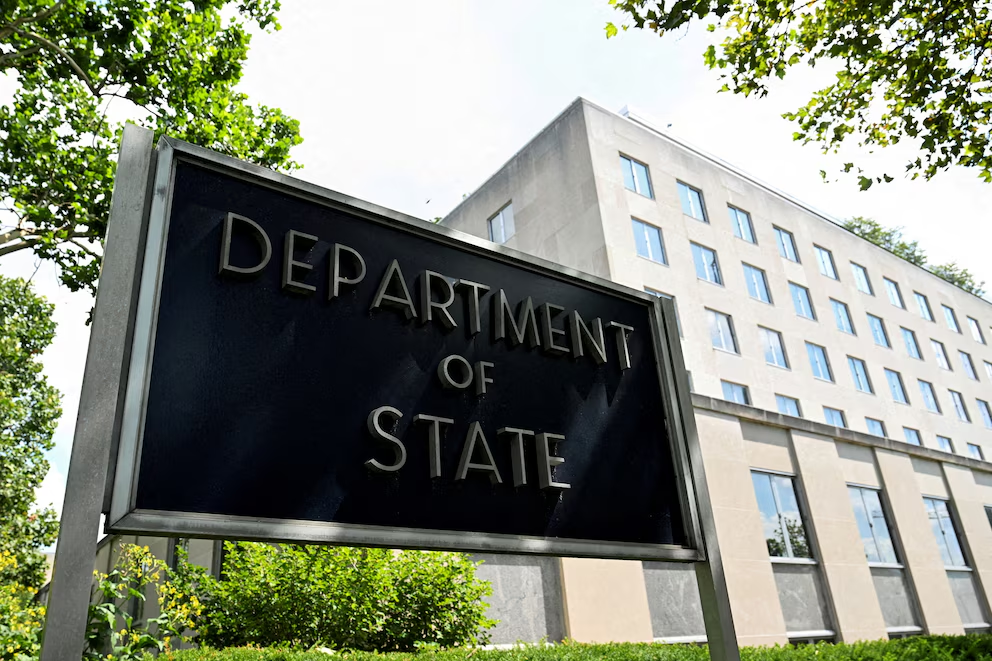


The State Department announced this Tuesday that it sent a formal warning to a foreign company that, according to the official version, would be involved in operations with confiscated properties on the island. They did not give the name of the company. Neither does nationality. But the message to its executives was direct: they could be left without entering the United States.
The warning letter from the United States for expropriated assets in Cuba was disseminated through the official channels of US diplomacy and fits within a line that Donald Trump's administration has been setting for months. The underlying idea is old and well-known in Miami: punish those who do business with assets that were taken from American citizens after the Cuban revolution.
“A visa is a privilege, not a right”
The Secretary of State, Marco Rubio, put his political signature on the decision and chose a short phrase so that there were no doubts.
“A visa is a privilege, not a right,” he stated, showing that Washington is willing to use the immigration tool as punishment when it considers that an activity conflicts with its legislation.
The official communication left more questions than answers. He did not specify which specific property is under scrutiny or which asset motivated the warning. Even so, the gesture adds to an escalation that is no longer discussed: the US hardening towards foreign companies that maintain ties with the Cuban state apparatus.
The precedent that weighs: the sanctions against Cupet
To understand this week's movement you have to look back a few days.
On June 11, the United States added the Cuba-Petroleum Union—the state-owned one known as Cupet—to its list of sanctioned entities. The company manages the exploration, refining and marketing of hydrocarbons on the island, and according to the State Department it controls assets that were “illegally expropriated from American owners.”
The sanction fell in the middle of a controversy that had Florida as its setting: a project to export fuel to Cuba from US territory. Washington quickly came out to clarify that it had not granted any license to circumvent the restrictions on shipping oil to the island.
Rubio went further and targeted the core of the regime. “Energy has been used for a long time by the communist government of Cuba as a weapon,” he maintained, and accused Havana of using these resources to sustain its power structures and internal control.
A license revoked in South Florida
The clash did not remain at the diplomatic level. It had concrete, and very local, consequences.
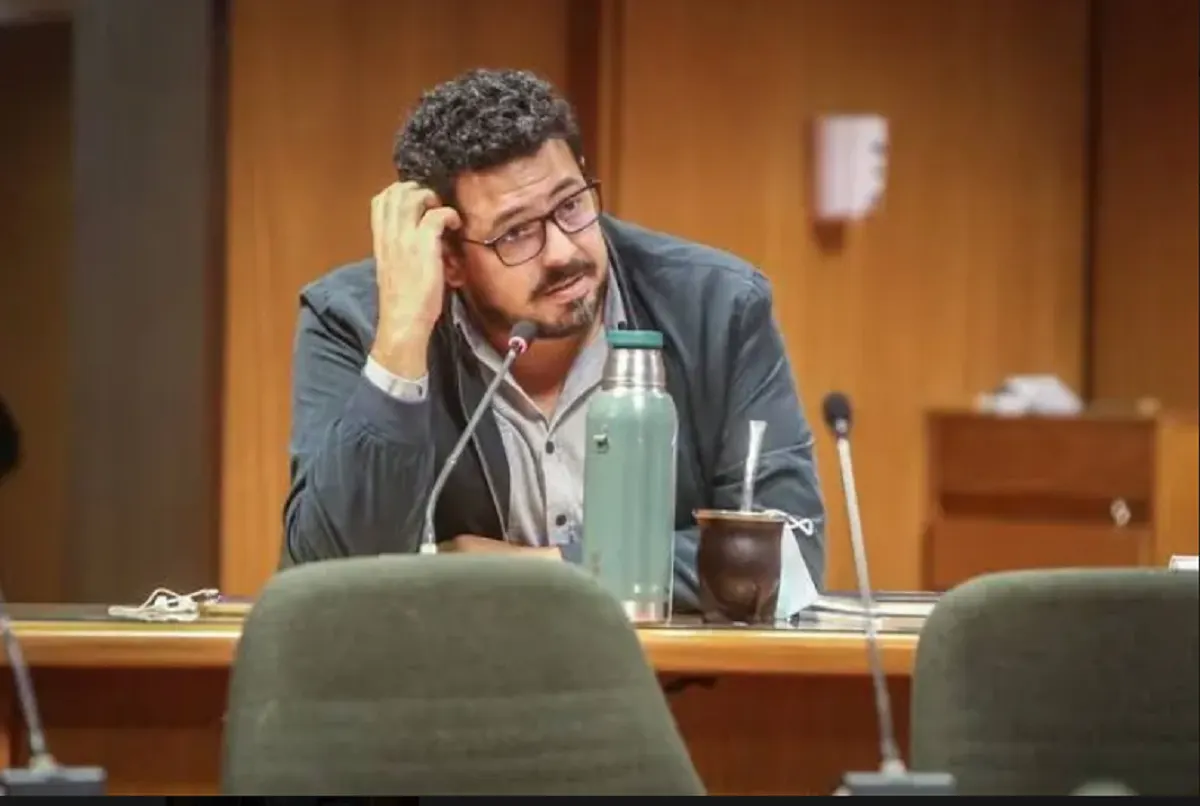
Miami-Dade County revoked the commercial authorization of Vanguard Energy, a company based in South Florida that aimed to carry out fuel exports to Cuba. The decision was announced by county tax collector Dariel Fernández, who confirmed that the company lost its license to operate in that jurisdiction.
According to local authorities, the measure was tied to the firm's plans to participate in the supply of fuel to the island, just at the moment when Washington is tightening the economic and financial screws.
What does it mean to be on the list?
This Tuesday's warning is not an isolated event. It piles on a growing pile.
In recent months, in addition to the sanctions against Cupet, Washington expanded restrictions against officials and relatives of the Cuban leadership, and maintains open processes and investigations linked to events of recent decades.
For a company or a person, falling on the list of appointees is not a minor procedure. It implies the blocking of assets that they have under US jurisdiction and a bar to carry out financial or commercial operations with those who are indicated.
The White House defends the strategy with an argument that it repeats without variations: increase pressure on the island's power structures and discourage foreign actors who want to do business with assets that American citizens claim as their own.
The name of the warned company, for now, remains reserved. But the pattern became clear.
Subscribe to Uruguay Al Día
Receive the most important news directly in your email. Clear, independent and updated information every day.
Follow us on WhatsApp
Join our official channel and receive alerts, news and exclusive content from Uruguay Al Día.
🔔 Join the WhatsApp channel