


When desire refuses to retreat
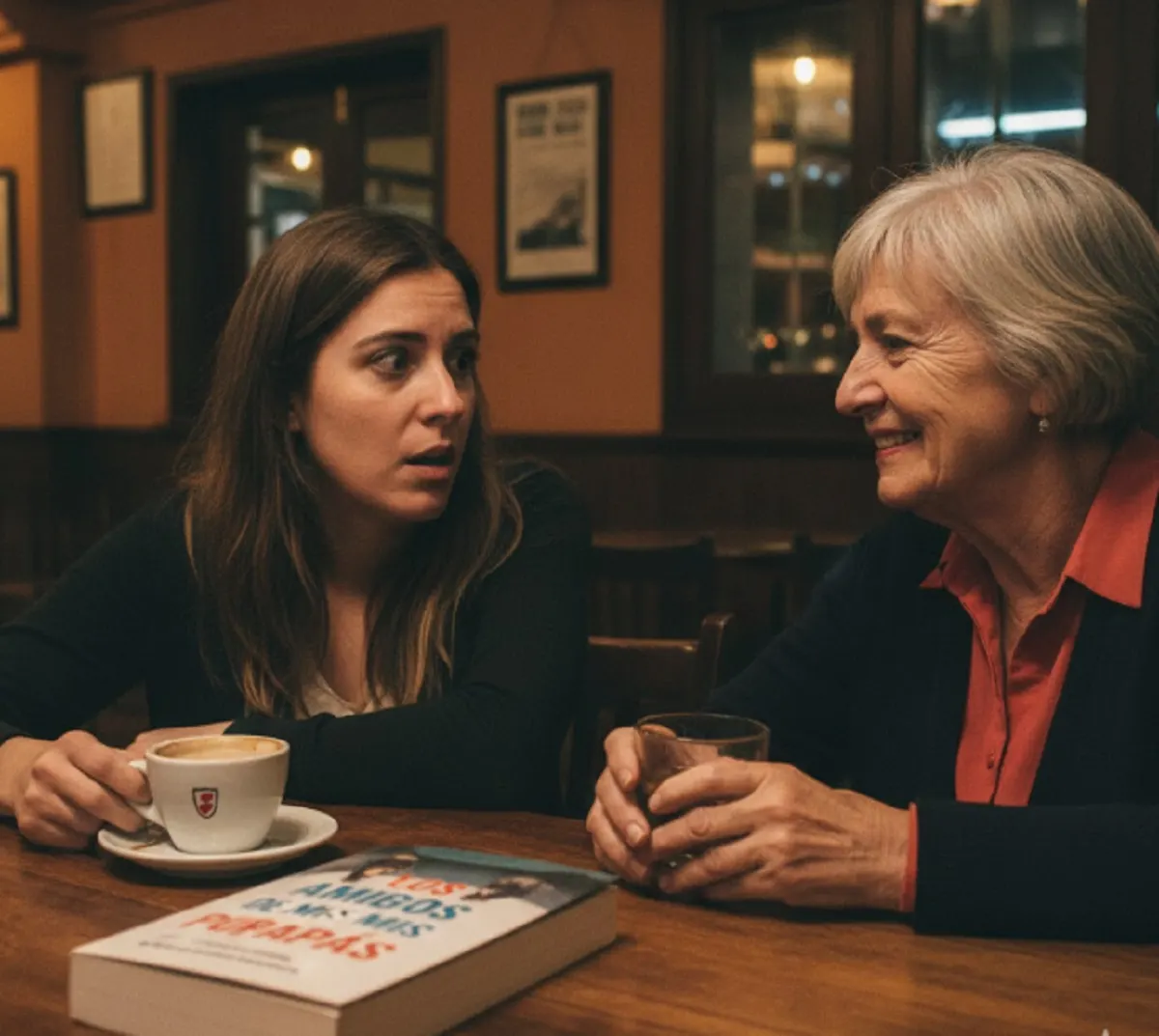
The scene could be in any bar in Montevideo, but it happened in Rosario Aegentina. A mother, after overcoming cancer and a double mastectomy, decides that life is too short to stay happy. At 65 years old and with half a century of marriage behind him, he confesses to his daughter his intention to enter the world Swinger. This premise, which for many would be a source of horror or an easy joke, is the driving force behind the work of Romina Tamburello, who focuses on the desire in older adults with an honesty that disarms any prejudice.
What began as a terminological confusion—the mother asked to be a “singer,” like the sewing machine—ended in scouting through nightclubs in Buenos Aires. Tamburello, an actress and screenwriter, suddenly found herself mapping swinging clubs for her own parents. This experience, which crosses the bizarre with the deeply tender, reveals that desire in old age is not an anomaly, but rather a vital drive that cinema and literature often prefer to leave “offscreen.”
The weight of desire in older adults after a health crisis
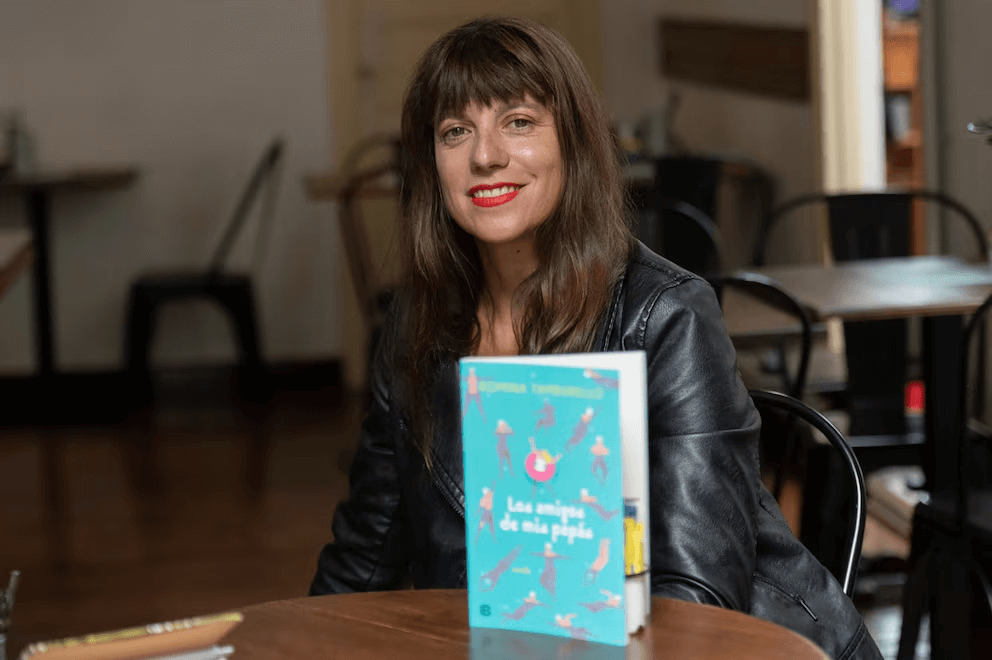
Tamburello's narrative, captured in his book My parents' friends, he messes with the wrinkle, the scar and the lack of makeup. In a society that worships eternal youth, talking about affection and emotions in older adults almost an act of rebellion. The author maintains that we infantilize our elders: it seems normal to us that they take sleeping pills, but we are shocked that they need a Viagra or that they want to experiment with late polyamory. Sex has no expiration date, even if the market tries to convince us otherwise.
In her research, Romina discovered that, beyond the sexual choreography of swingers clubs, what her parents were looking for was to belong. As you get older, your social circle shrinks and loneliness lurks. Emotional life after 60 then appears mixed with the need for friendship and community. Those “dad's friends” ended up being a support group where sexuality was the starting point for a new form of independence, far from controlling look of children who, sometimes, sin of being paternalistic.
From biotechnology to the observation of the human microscope
In the film adaptation that is being developed for this year 2026, the protagonist is a biotechnologist. This choice is not accidental: it is someone accustomed to looking at bacteria and cultures, someone who fears contagion and dirt, reflecting the daughter's own modesty in the face of feeling and bond in old age. The metaphor of the microscope serves to analyze the family as a link lab, where the parents' experiment—that of opening the couple at 65—seems to turn out much better than that of the young generation.
The author emphasizes that to understand emotional well-being in old age, we must unlearn almost everything we were taught about old age. It is not about a “canchera” bowling performance, but about pure vulnerability. The awkwardness of facing another body naked, with its brands and their stories, is what makes this story something universal. Filming these scenes requires absolute loyalty between directors and actors, fleeing from the advertising plane to show the real movement of life that insists.
A phenomenon that enables necessary conversations
My parents' friends It is already touring international laboratories and co-production markets. It's not just a movie about sex; It is a work that questions how we take care of our parents when they decide to stop being “grandparents” to become desiring subjects again. He desire in older adults It forces us to rethink family pacts and understand that the privacy of parents is a territory that, although it makes us dizzy, deserves to be respected and made visible.
Romina Tamburello managed to turn a personal anecdote into a manifesto about bodily freedom. At the end of the day, the message is clear: no one was hurt to tell this story, because fiction is the lie that helps us tell the truth. And the truth is that the desire in older adults It is the last great taboo that we have left to break to reconcile ourselves with our own future.
Are we prepared to accept that our parents have a more active and adventurous sex life than ours?
Subscribe to Uruguay Al Día
Receive the most important news directly in your email. Clear, independent and updated information every day.
Follow us on WhatsApp
Join our official channel and receive alerts, news and exclusive content from Uruguay Al Día.
🔔 Join the WhatsApp channel