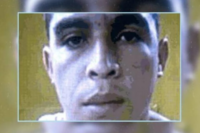

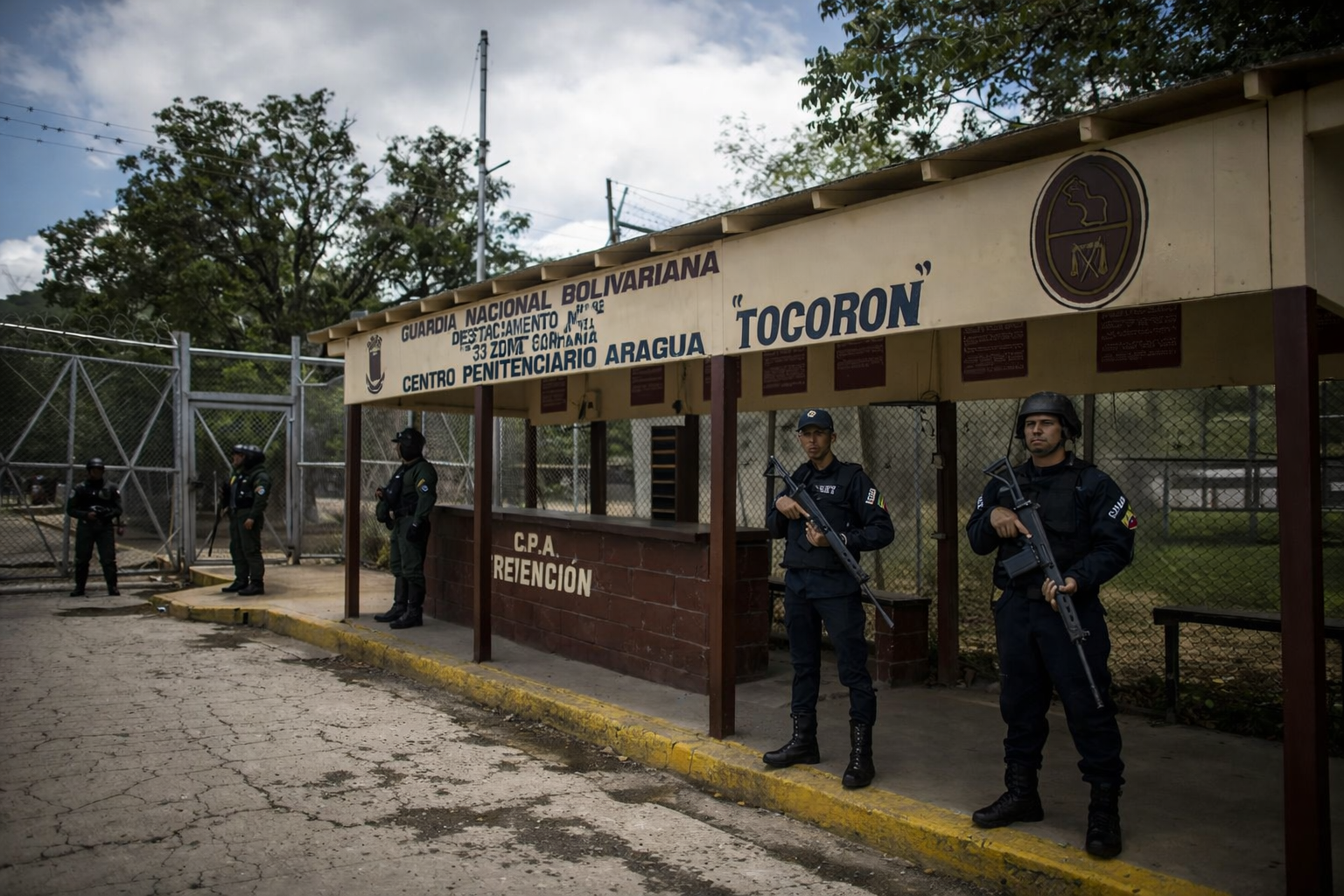
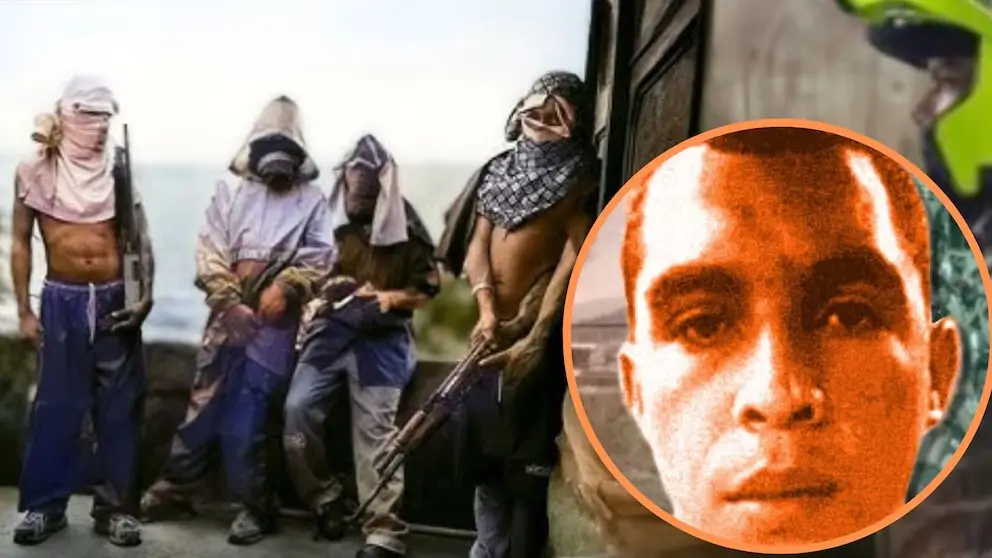
For years, his name was synonymous with silent terror from Chile to the United States. Héctor Rustherford Guerrero Flores, alias “Niño Guerrero”, was not a back-alley criminal; He was the CEO of an evil corporation who understood, before anyone else, that real power is managed from the control center, even if that center was a cell. But this Friday, that architecture of impunity definitively collapsed in the state of Bolívar, Venezuela, under the pressure of a joint operation that marked a before and after in the region.
The announcement, published by Donald Trump on his social networks, closed the circle on a man who had been a ghost for more than a year. The operation, carried out with the collaboration of local forces and the supervision of the United States Southern Command, left no room for doubt: the leader of the Aragua Train, the same one who for years managed to evade justice while living surrounded by eccentricities in Tocorón, is no longer a threat.
The prison: a palace with a zoo and a nightclub
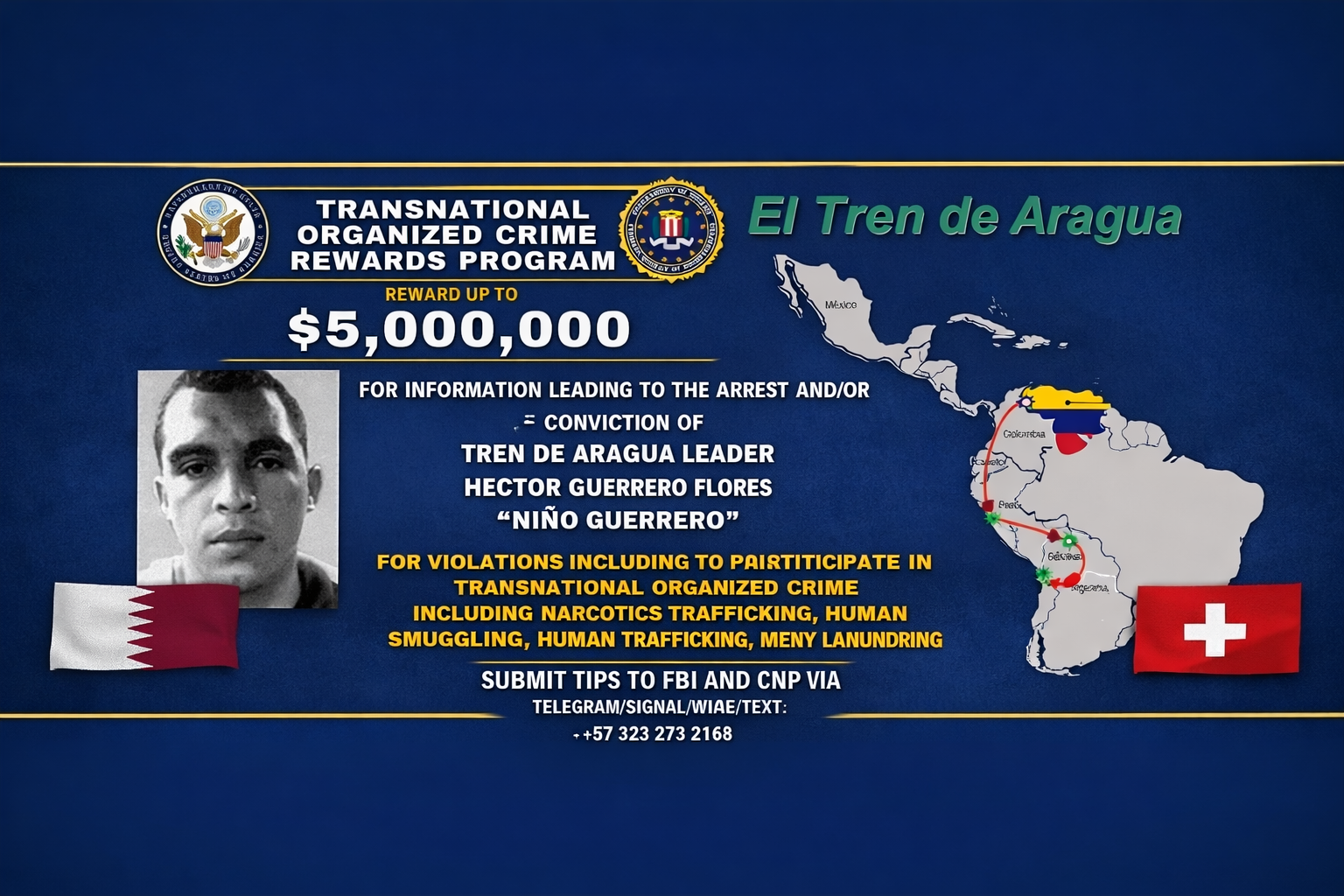
To understand who “Niño Guerrero” was, you have to look inside the Tocorón prison. There, the criminal was not imprisoned; I was “at home.” As the Venezuelan prison system crumbled, Guerrero built a kingdom that included a swimming pool, a nightclub and even a zoo. It was a surreal image: a criminal leader walking among animals and party music while coordinating kidnappings, extortion and trafficking networks across half the continent from his mobile phone.
The people on the street knew it, the merchants of Aragua felt it and the neighboring governments began to realize that the “Tren” was not a gang, but a structure that mutated with terrifying speed. Guerrero not only asked for “vaccines” (extortions), he managed a criminal franchise that exported Venezuelan violence to the main cities of South America.
A change of geopolitical wind
Guerrero's fall is not an isolated event. It occurs in a political situation that changed drastically five months ago, after the extradition of Nicolás Maduro to the United States. The narrative that the Chavista regime was alien to these structures collapsed with the evidence that international organizations put on the table. Washington, tired of seeing how the organization expanded to its own borders, decided to take action.
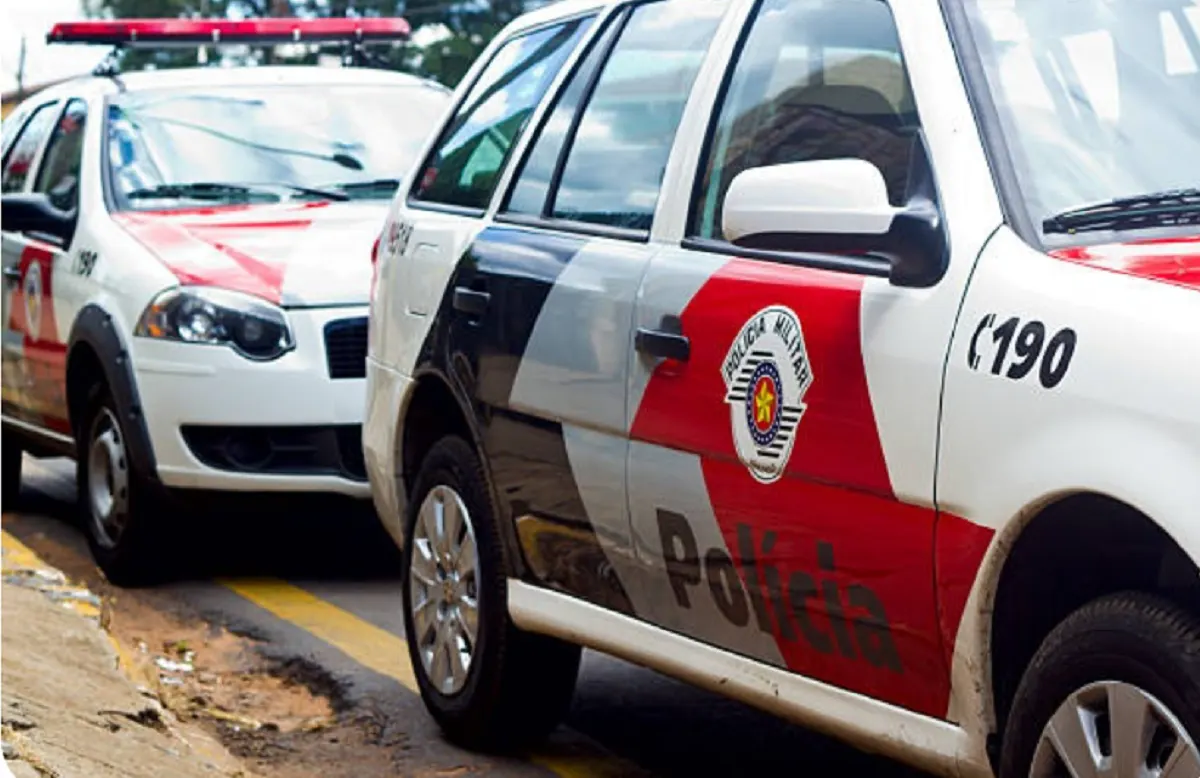
The information arriving from southern Venezuela describes a surgical operation. There was no room for negotiation. When the elite teams reached the point where the criminal leader was hiding in a mining area, the story of the “Warrior Boy” was over in a matter of minutes. The million reward offered by the State Department was shelved; the objective was accomplished.
The power vacuum: what happens now?
The death of a leader of this caliber usually generates tremors in the structure he leaves behind. The Aragua Train is no longer just Guerrero; There are hundreds of cells operating autonomously in cities such as Santiago, Bogotá or Lima. However, the loss of its top strategist is a blow to the heart of an organization that fed on the fear and military discipline that he imposed since his days in Tocorón.
While the region's authorities reinforce their borders and maintain alerts, the victims, those people who were extorted or displaced by their hitmen, are watching with caution. The “Warrior Boy” is dead, but the phenomenon he helped create—that ability to corrupt systems and turn crime into a transnational business—remains the biggest challenge to regional security this decade.
Subscribe to Uruguay Al Día
Receive the most important news directly in your email. Clear, independent and updated information every day.
Follow us on WhatsApp
Join our official channel and receive alerts, news and exclusive content from Uruguay Al Día.
🔔 Join the WhatsApp channel