

An outcome foretold: the drama behind the death of Jona Núñez
The Salta community, and with it a large part of the country, is immersed in deep grief and indignation after learning of the death of Jonatan (Jona) Núñez, a well-known influencer 32 years old. The death of Jona Núñez It is not perceived as an isolated event, but as the tragic culmination of a process of lack of attention and abandonment that the victim had publicly denounced weeks before. Núñez, father of a girl, had suffered from an angioma since birth that severely compromised his throat and tongue.
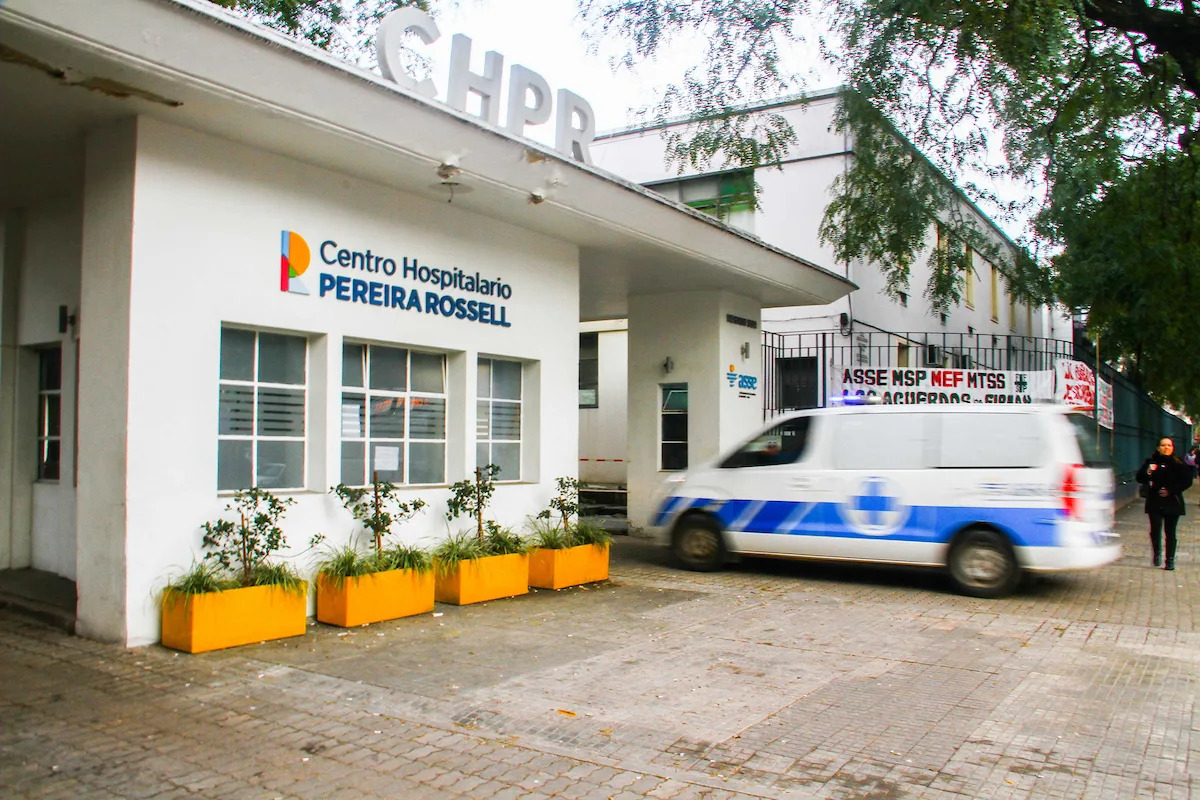
The commotion grows because “Jona” himself had become a symbol of the fight for dignified care in the public system. The man had used his social networks to expose the difficulties and indifference he faced, highlighting the shortcomings of the Salto Regional Hospital. The death of Jona Núñez Today it becomes the most visible face of the claim for the lack of resources and health management in the north.
The public complaint that no one listened to
Days before his death, Núñez released an extensive and dramatic video that went viral at the speed of light. In his testimony, he reported that he had been trying to be treated for “more than a month” at the Salto Regional Hospital for his pathology, without ever obtaining a satisfactory or timely response. This via crucis administrative and medical is the key to the criticism that hits the institution today.
In his warning, “Jona” pointed out that his case “was not isolated, but part of a broader problem” that “affected numerous patients with different diseases” at the Hospital. This point reinforces the hypothesis of a systemic failure. The message before death of Jona Núñez It was already a given: the inattention was a policy, not a specific error.
Internal bleeding and lack of specific treatment
According to information collected from internal health sources, the outcome was caused by "massive internal bleeding. As a result of the angioma that compromised his health, the sources indicated that "it was not possible to give him specific treatment to prevent further damage." He was given medication to reverse the process, but it was useless: the bleeding could not be stopped.
On Sunday night, hours before his death, “Jona” Núñez, already from a surgical block in the Jump Hospital, had the fortitude to ask for “blood donors” through his networks, announcing that he would be referred to the CTI. In his message, full of faith, he left words of “hope” about his delicate condition. The death of Jona Núñez Hours later he confirmed the worst fear, leaving a trail of questions about whether a early intervention and specialized, which he demanded, could have avoided the tragic end.
The shadow of the tomograph: recurring criticism of the Regional Hospital
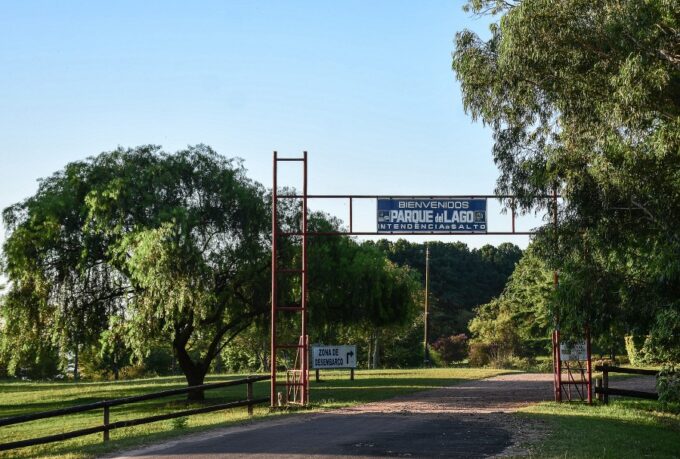
The case of the death of Jona Núñez It fits into a context of recent criticism that seriously compromises the credibility of the care center's management. In recent weeks, controversy erupted over the decision to refer, without prior notice, a tomographer originally assigned to the Salta hospital to Hill Hospital, in Montevideo.
This maneuver was harshly questioned by users and local leaders, who warn that this type of centralization decisions directly impact quality and opportunity of care in the north of the country. The lack of highly complex technical resources, such as this tomograph, means that patients with delicate conditions, like Núñez's, lose vital time by not being able to be diagnosed and treated immediately. The death of Jona Núñez It is, for many, evidence of the consequences of these political decisions.
A symbol of protest: the community demands explanations
After learning of the death, the social networks and the streets were filled with messages of pain, but above all, of deep indignation and complaint. Family, friends, followers and neighbors expressed dismay and direct questions to the healthcare system and to the Hospital Management.
The death of Jona Núñez It thus becomes a true symbol of social demand. People demand clear explanations, reviews and urgent improvements in the response of the public health system. It's not just about a father and a influencer that he left too soon, but rather an open wound in the State's promise to guarantee dignified and timely care to all its citizens.
Is it tolerable that, despite public complaints from a patient at risk, the Salto Regional Hospital has not been able or willing to articulate a response in time, demonstrating an institutional failure that cost a life?
Subscribe to Uruguay Al Día
Receive the most important news directly in your email. Clear, independent and updated information every day.
Follow us on WhatsApp
Join our official channel and receive alerts, news and exclusive content from Uruguay Al Día.
🔔 Join the WhatsApp channel