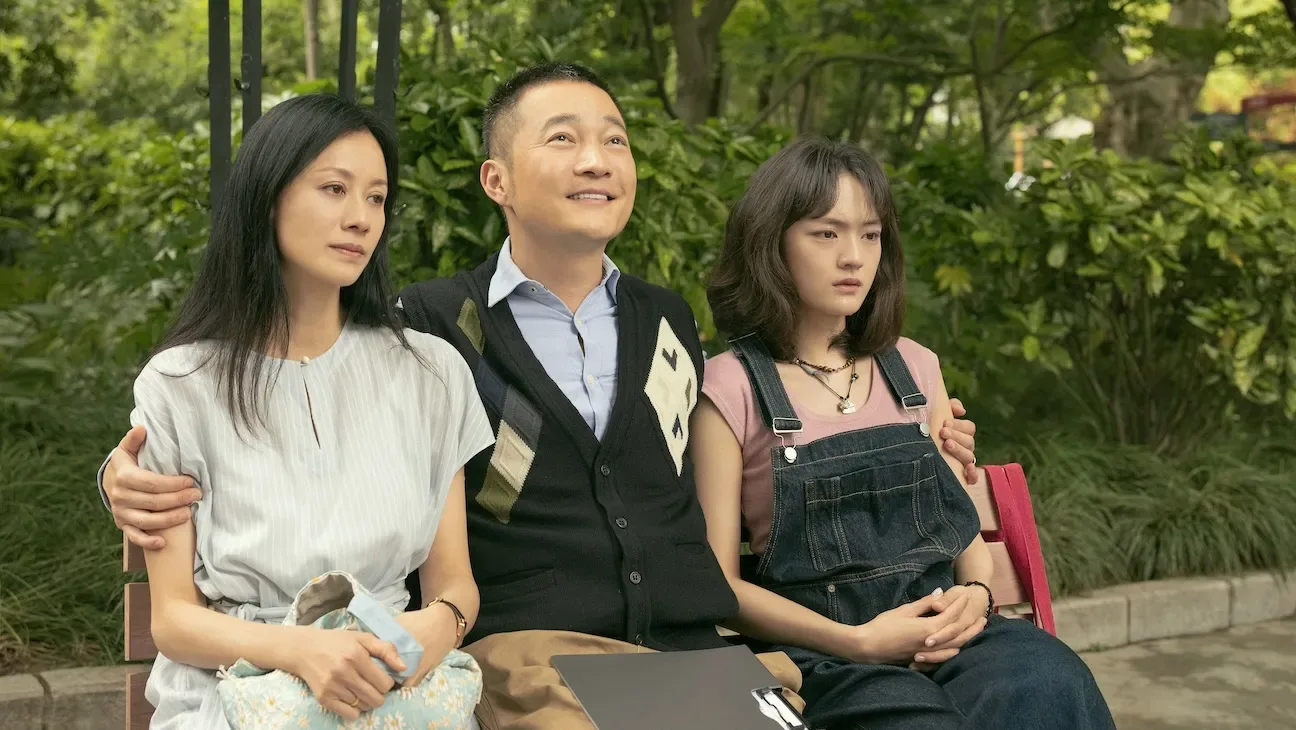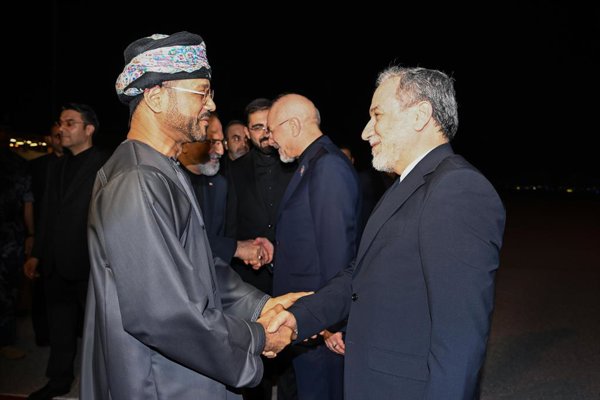

The film world, or what is left of it, gathered in the Saint-Roch church in Paris to say bye to Claudia Cardinale, una de las últimas figuritas difíciles de la época dorada del cine europeo. Cientos de caras conocidas, familiares y algún que otro colado se dieron cita en la que llaman la «parroquia de los artistas», un lugar con más historia en el espectáculo que en la fe, para despedir a la actriz que, siendo más tana que el tuco, eligió la capital francesa para pasar sus últimos años.
Claudia Cardinale
The air inside was thick, a mixture of respect and nostalgia for a time that was gone. Flowers everywhere and messages that recalled a career of more than sixty years, a job that left a mark on the big screen. But beyond the formal tribute, the ceremony left a question floating: who really was this woman who became a global icon almost without wanting to? Because the official history, that of glamor and festivals, sometimes forgets the details, the twists and turns that make a life like a movie.

Forced icon? The construction of a star
To find the fifth leg of the cat, you have to start from the beginning. Claude Joséphine Rose Cardinale, as her document said, was born in Tunisia in 1938. Daughter of Sicilians, a girl from the community, far, far from the flashes of Rome or Paris. His rise was meteoric in the late 1950s, in an Italy that licked the wounds of war and needed to fabricate new myths. La Cardinale, with that Mediterranean beauty that split the earth, suited them like a glove.
But here the curious thing begins. Unlike other divas of the time, who based everything on scandal or an overwhelming personality, Claudia Cardinale I had something else. A versatility that left her well suited in an author drama or in a Hollywood blockbuster. However, there was a trick, an open secret that today would be a scandal: in his first Italian films, his voice, naturally deep and half cracked, was dubbed. Crazy, right? The actress everyone saw was not the one they heard. This, which could have worked against him, added an aura of mystery, as if he were an unattainable character. He was able to work with the biggest bosses of the moment, guys like Federico Fellini, Luchino Visconti or Sergio Leone, who were not looking for a pretty face, but rather a presence that filled the screen, that told a story without even opening his mouth. And boy did he do it.
The jobs that put it on the map
The legacy of Claudia Cardinale It is stuck to a handful of films that are textbook today. But she was not a luxury supporting actress; In each of those jobs, he put a body and a look that were key for those films to become eternal.
- Rocco and his brothers (1960): With Visconti, she played Ginetta. A secondary role, yes, but fundamental to understand the drama of a family from the south who goes to look for a mango in Milan and hits their head against the wall. Pure real life.
- The Leopard (1963): Once again with Visconti, here he received a star rating. It was Angelica, the symbol of the new bourgeoisie that arrived to kick the old aristocracy to the curb. A bomb of sensuality and ambition next to two monsters like Alain Delon and Burt Lancaster.
- Eight and a half (8½) (1963): In Fellini's masterpiece, she became the muse, the idealized vision of the leading director. It represented purity, inspiration. The question that remains is: was it her or the fantasy that a guy like Fellini had of the perfect woman? A debate for coffee.
- Until His Time Came (1968): In Sergio Leone's epic western, he showed that he could handle any genre. Her Jill McBain is one of the strongest women in the history of cinema: a widow with more guts than all the cowboys combined, fighting alone for a piece of land. Who doesn't resonate with that?
- Fitzcarraldo (1982): He got into a filming mess in the Amazon jungle with the German Werner Herzog, a guy famous for being more complicated than a refrigerator motor. She, like Molly, brought charisma and strength to a film that was almost never finished. A professional with all the letters.
Between Paris and Rome: citizen of two worlds or foreigner everywhere?
Aunque su nombre es sinónimo de cine italiano, la relación de Claudia Cardinale con Francia fue un capítulo aparte. Se instaló en París en los años 70 y la ciudad se transformó en su casa. Este doble domicilio enriqueció su carrera, pero también la puso en un lugar ambiguo. Para los franceses, era su italiana de lujo, un ícono adoptado que hablaba su idioma y trabajaba con sus directores. La respetaban, claro, pero siempre con ese dejo de ser «la de afuera».
Por otro lado, para muchos italianos, fue la que se «afrancesó», la que se fue a buscar otras oportunidades. Esta dualidad, lejos de ser un problema, quizás fue el secreto de su vigencia. No pertenecía del todo a ningún lado y, por eso mismo, pertenecía al mundo entero. El homenaje en París, entonces, cierra ese círculo. Es el adiós de la ciudad que la cobijó, pero también la confirmación de que su figura siempre estuvo en tránsito, como un puente entre dos culturas cinematográficas que se miraban con recelo y admiración.
At the end of the day, the curtain fell in Saint-Roch on a life dedicated to cinema. But the image of Claudia Cardinale, the one that glared at you from the screen, remains for a while. She was not just an actress; She was a symbol of independence, a worker who made her way with her eyes and a strength that did not need to raise her voice. The question is whether in this world of social networks and rapid consumption there is room for silences that, like hers, said much more than any speech.
Subscribe to Uruguay Al Día
Receive the most important news directly in your email. Clear, independent and updated information every day.
Follow us on WhatsApp
Join our official channel and receive alerts, news and exclusive content from Uruguay Al Día.
🔔 Join the WhatsApp channel