
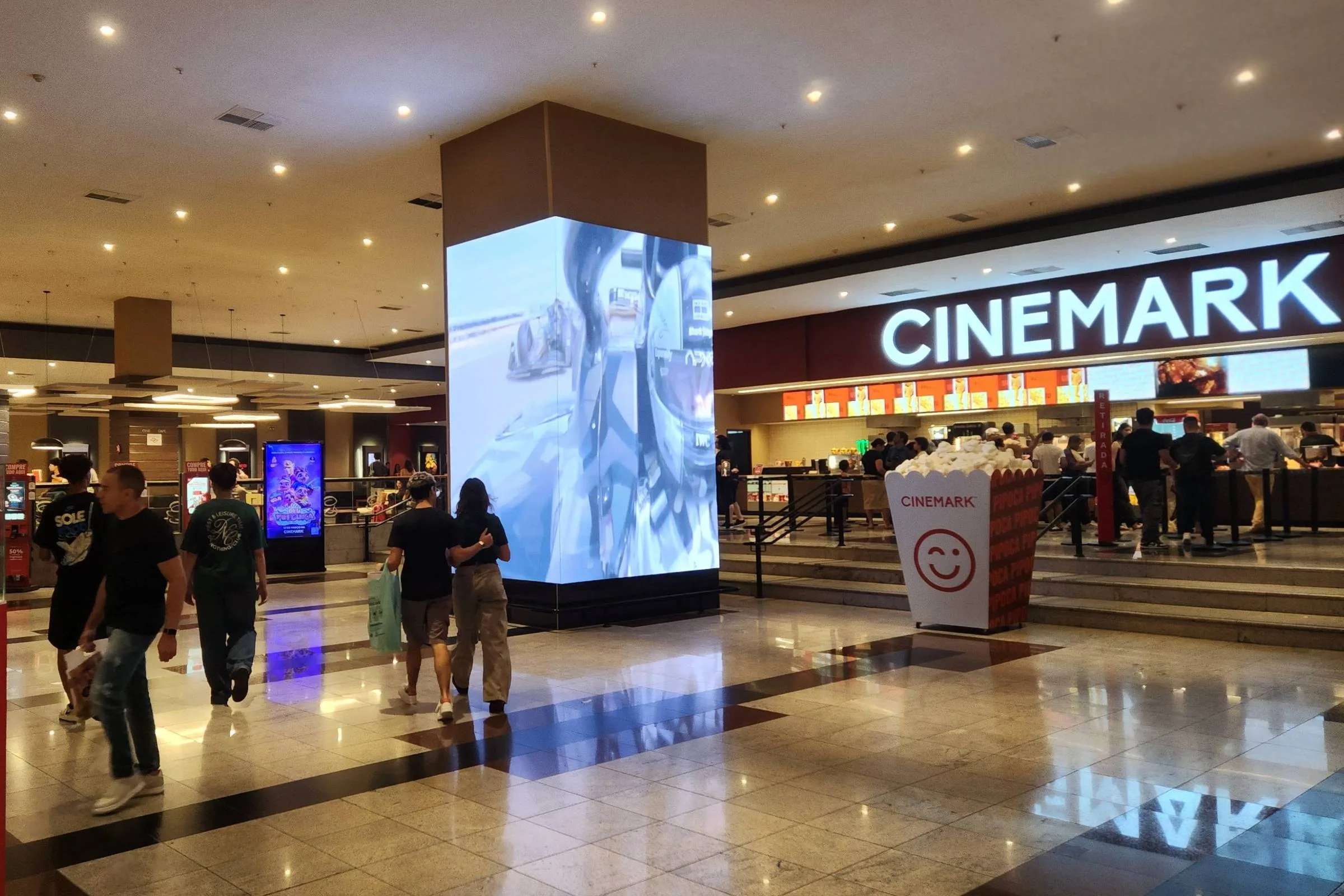


In an attempt to comply with screen quota regulations, the Brazilian cinema chain Cinemark has opted for an unconventional strategy: repeatedly screening the children's film “Zuzubalândia – O Filme”. Released two years ago, this film has become a key resource for Cinemark to meet the requirement of allocating 16% of its features to national productions.
The most notable case occurred in São Paulo, where 114 performances of this production were scheduled in a single day, specifically a Wednesday, concentrating the majority of the screenings between 11:00 and 2:45 p.m. As confirmed by chain employees, this measure is part of an internal guideline that seeks to ensure compliance with the quota at the beginning of the day.
A strategy under the magnifying glass
The Cinemark chain defends its practice by arguing that the functions are carried out under the framework of the Project School program, although it has not been detailed how exactly this initiative is linked to compliance with the screen quota. During visits made by reporters from Folha de São Paulo, it was found that many of these performances were shown in completely empty rooms.
The film accumulated a total of 17,237 screenings scheduled in 2025, but only attracted 1,882 viewers, giving an average of just 0.1 viewers per screening. This situation reflects an apparent disconnection between formal compliance with the regulations and the true interest of the public.
Reactions and perspectives
Mariana Caltabiano, director of “Zuzubalândia – O Filme”, expressed her ignorance regarding the use of her work for quota compliance purposes, but noted that she sees no problems with it. Brazilian regulations are not violated by this practice, although it raises debates about the real effectiveness of quotas in promoting national cinema.
The Cinemark case highlights a recurring dilemma in the film industry: how to balance regulatory compliance with genuinely attracting audiences to local productions? Screen quotas, established with the intention of stimulating national cinema, thus face challenges in its effective implementation.
The panorama of screen quotas
Brazilian legislation establishes that cinema chains must reserve a percentage of their screenings for national productions, a measure intended to boost film industry local versus the dominance of foreign productions, mainly from Hollywood. However, cases like Cinemark's suggest that compliance with these regulations does not always translate into genuine support for domestic production.
The phenomenon is not exclusive to Brazil; In other countries, screen quotas have also been the subject of debate. While some maintain that they are a necessary tool to protect and promote local culture, others argue that they can become a mere bureaucratic procedure if they are not accompanied by Policies that really promote the creation and dissemination of quality content.
In conclusion, Cinemark's strategy has opened a debate about the effectiveness and purpose of screen quotas. As long as the regulations are not reviewed or complemented with more effective measures, the risk of it becoming a simple requirement to meet, with no real impact on the audience, will continue to be present.
Subscribe to Uruguay Al Día
Receive the most important news directly in your email. Clear, independent and updated information every day.
Follow us on WhatsApp
Join our official channel and receive alerts, news and exclusive content from Uruguay Al Día.
🔔 Join the WhatsApp channel