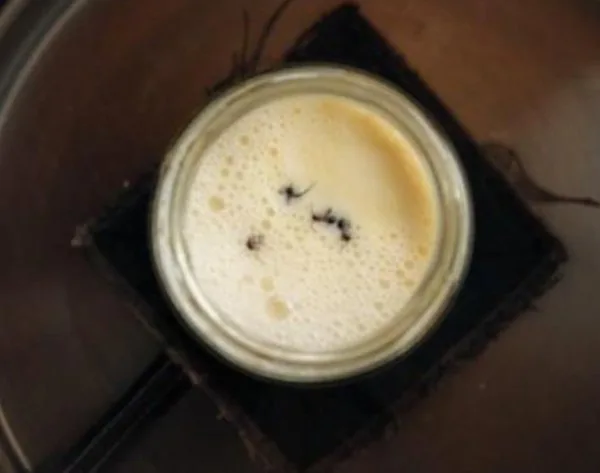

Una receta ancestral de yogur, que había caído en el olvido, vuelve a cobrar vida gracias a una investigación realizada en Dinamarca. Este estudio, publicado en la revista iScience, revela que las hormigas, comunes en los Balcanes y Turquía, pueden jugar un papel fundamental en el proceso de fermentación que transforma la leche en yogur. Esta redescubierta técnica no solo subraya el valor de las prácticas tradicionales, sino que también abre un abanico de posibilidades creativas en la ciencia de los alimentos.
La autora principal del estudio, Leonie Jahn, de la Universidad Técnica de Dinamarca, destaca que los yogures contemporáneos suelen utilizarse solo dos cepas bacterianas. En cambio, el yogur tradicional demuestra una biodiversidad mucho más rica, ya que varía según la región, el hogar y la época del año. Esta diversidad no solo enriquece el sabor, sino que también otorga distintas texturas y personalidades al producto final, lo que podría ser un atractivo para los consumidores que buscan experiencias gustativas únicas.
Las hormigas rojas: un ingrediente sorprendente
Las hormigas rojas de la madera, pertenecientes a la especie Formica, son un elemento común en los bosques de los Balcanes y Turquía. Esta técnica tradicional de elaboración de yogur fue ampliamente utilizada en el pasado, lo que llevó al equipo de investigadores a explorar sus raíces. Para ello, visitaron un pueblo en Bulgaria donde la coautora y antropóloga Sevgi Mutlu Sirakova tiene sus raíces familiares. Los recuerdos de su familia y otros lugareños sobre esta práctica ancestral fueron fundamentales para entender cómo se utilizaban las hormigas en la elaboración del yogur.
Siguiendo las instrucciones del tío de Sevgi y otros miembros de la comunidad, el grupo de investigación colocó cuatro hormigas enteras en un frasco con leche tibia. Este frasco se dejó en un hormiguero durante la noche para permitir que la fermentación ocurriera de manera natural. Al día siguiente, la leche había comenzado a espesar y adquirir un sabor agrio, lo que indicaba el inicio del proceso de elaboración del yogur. Esta experiencia práctica fue clave para comprender el potencial de las hormigas en la fermentación de productos lácteos.
El proceso de fermentación y sus secretos
Tras esta experiencia inicial, el equipo regresó a Dinamarca para profundizar en la ciencia que respalda la elaboración del yogur a partir de hormigas. Los investigadores descubrieron que estos insectos llevan en su cuerpo bacterias lácticas y acéticas, las cuales son esenciales para el proceso de coagulación de la leche. De hecho, algunas de estas bacterias se asemejan a las que se encuentran en la masa madre comercial, lo que sugiere que la tradición de utilizar hormigas para hacer yogur tiene fundamentos científicos sólidos.
Además de las bacterias, el ácido fórmico presente en las hormigas juega un papel crucial en la acidificación de la leche. Este ácido, que forma parte del sistema de defensa química de las hormigas, no solo afecta la textura de la leche, sino que también crea un ambiente favorable para el crecimiento de los microbios acidófilos, que son esenciales en la fermentación del yogur. Las enzimas que contienen las hormigas, junto con los microbios, colaboran en la descomposición de las proteínas de la leche, culminando en la transformación de este líquido en un producto cremoso y sabroso.
Consideraciones sobre la seguridad y la sostenibilidad
En el transcurso de su investigación, los científicos compararon yogures elaborados con hormigas vivas, congeladas y deshidratadas. Los resultados mostraron que solo las hormigas vivas lograron generar una comunidad microbiana adecuada para la elaboración del yogur, lo que resalta su importancia en este proceso. No obstante, el equipo advirtió sobre la necesidad de tener precauciones al consumir productos que contengan hormigas, ya que estos insectos pueden ser portadores de parásitos, y la congelación o deshidratación de las hormigas podría propiciar el crecimiento de bacterias nocivas.
Para explorar las posibilidades culinarias que ofrece esta innovadora propuesta, los investigadores se unieron a los chefs del restaurante Alchemist, un establecimiento con dos estrellas Michelin en Copenhague. Juntos, dieron un enfoque contemporáneo al yogur de hormiga, presentando a los comensales creaciones únicas que incluían sándwiches de helado de yogur en forma de hormiga, quesos tipo mascarpone con un toque picante y cócteles clarificados con leche, todos elaborados con este ingrediente singular. Esta colaboración no solo resalta el potencial del yogur de hormiga en la alta cocina, sino que también refleja un interés creciente en la sostenibilidad y en la valorización de ingredientes poco convencionales.
Suscribite a Uruguay Al Día
Recibí las noticias más importantes directamente en tu correo. Información clara, independiente y actualizada todos los días.
Seguinos en WhatsApp
Unite a nuestro canal oficial y recibí alertas, noticias y contenido exclusivo de Uruguay Al Día.
🔔 Unirme al canal de WhatsApp