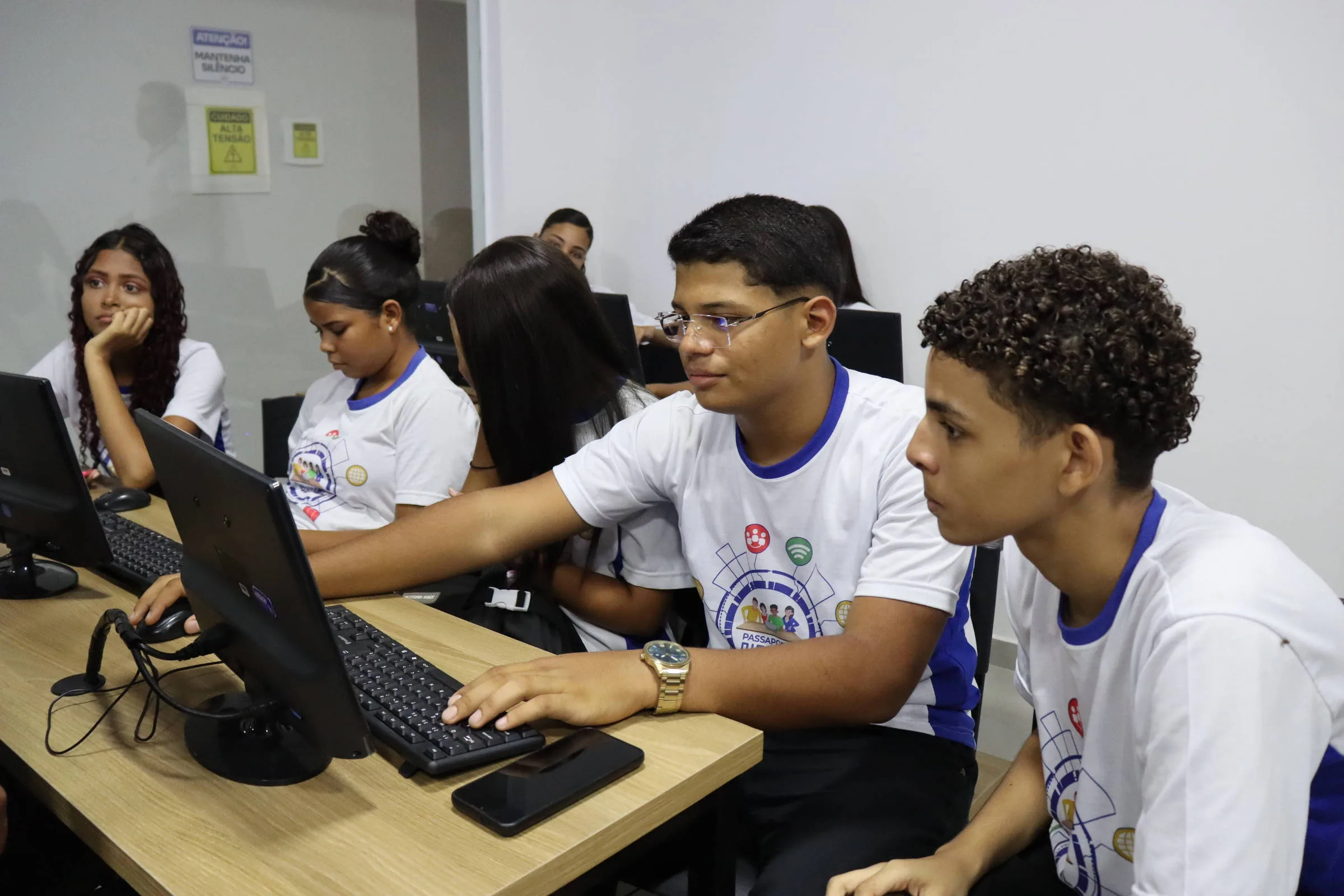


In a context where digital education has become fundamental, Brazil faces the challenge of connecting its public schools to the internet adequately. According to data provided by the government of Luiz Inácio Lula da Silva, the percentage of schools with adequate levels of internet connection has increased significantly, going from 43% in 2023 to 72% in March 2026.
Regional disparities in school connectivity
Despite this progress, regional inequalities continue to be an obstacle. The Northern region of the country, which includes states such as Amazonas, Acre, Roraima and Amapá, shows connectivity rates that range between 30% and 58%. This contrast is even more evident when comparing with states such as São Paulo, which reaches 64% of schools with adequate connectivity, and Paraná and Piauí, which lead with 86% and 84% respectively.
Classification of schools according to their connectivity
The Brazilian Ministry of Education has implemented a system of classification that evaluates access, speed and quality of Wi-Fi in schools, dividing institutions into five levels. Currently, it is estimated that 99,000 schools have adequate conditions for the pedagogical use of the Internet. However, 39,000 still do not reach the necessary standard, and among these, 7,300 do not have sufficient connection or a operational wifi network.
Initiatives and financing to improve connectivity
In an effort to improve the situation, the government launched the Strategy National of Connected Schools in 2023, investing R$ 2.6 billion in infrastructure. These funds came from the 5G auction, the Fund for the Universalization of Telecommunications Services (Fust) and the budget of the Ministry of Transportation itself. Education. The strategy aims to connect an additional 30,000 schools by the end of the year.
Financial obstacles and technological challenges
TO despite the investments, challenges persist. The states still have R$ 1,970 million (equivalent to US$ 386 million) unused, coming from a law approved in 2021. If these resources are not used properly, they run the risk of being returned to the National Treasury.
Furthermore, specialists in the educational area emphasize that the problem is not limited only to internet connectivity. Less than half of schools have enough computers, and a third do not have electronic devices for their students, which considerably limits the pedagogical use of the technology in the classroom.
In sum, although important progress has been made in the connectivity of public schools in Brazil, there is still a considerable way to go to ensure that all educational institutions count with the necessary resources for effective digital teaching.
Subscribe to Uruguay Al Día
Receive the most important news directly in your email. Clear, independent and updated information every day.
Follow us on WhatsApp
Join our official channel and receive alerts, news and exclusive content from Uruguay Al Día.
🔔 Join the WhatsApp channel